

Subscribe To Our Newsletter!
Subscribe to the newsletter to stay up to date with the latest news and most useful
Newsletter
↑
Back to Top



Product Overview |
|---|
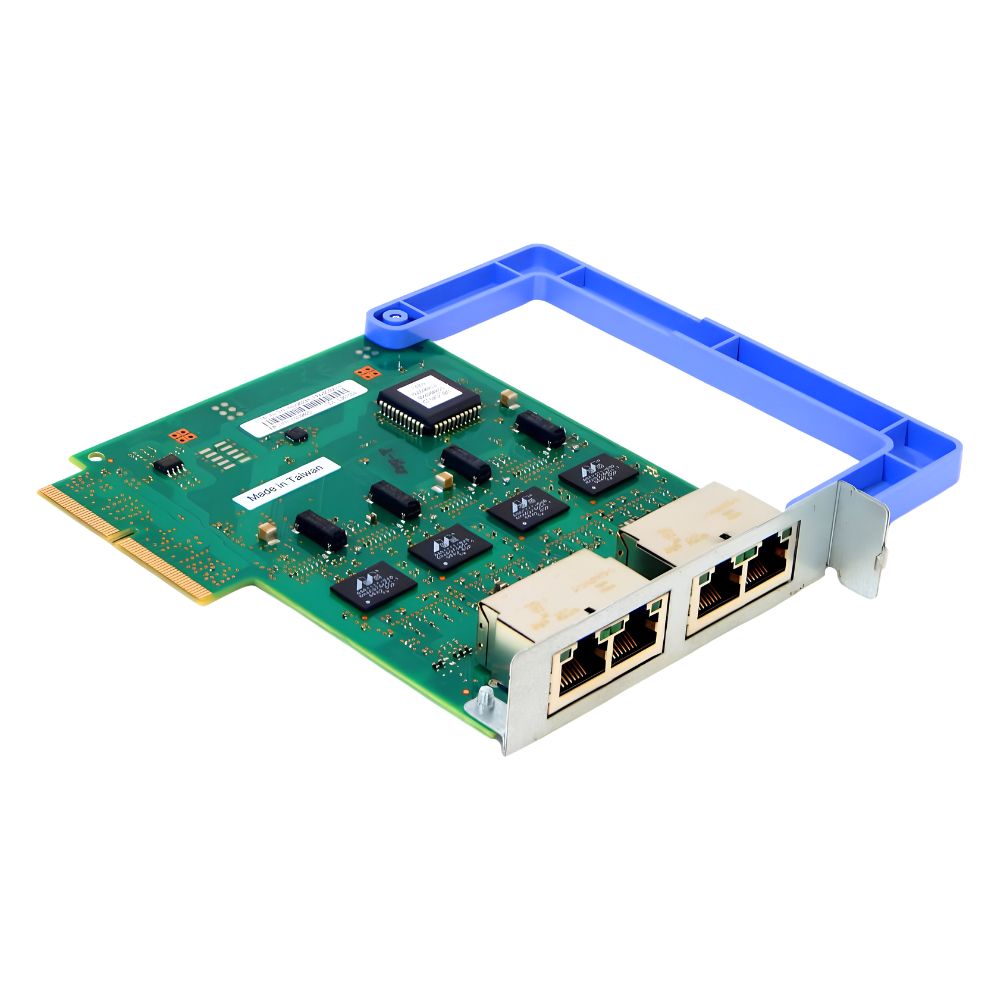
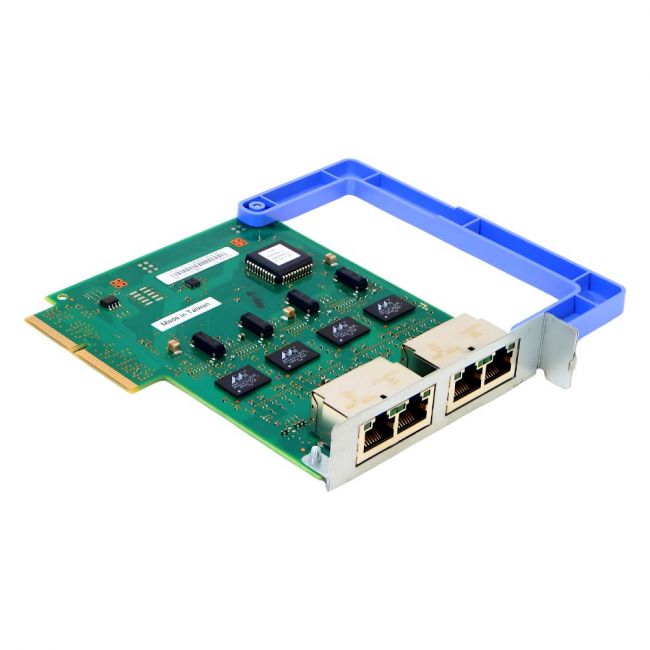
The IBM 46K7971 PCI-Express Virtual Daughter Card provides four 1Gb/s RJ-45 Ethernet ports designed to expand network connectivity in IBM server environments. It fits into PCI-Express slots and offers multiple standard network interfaces suitable for data communication in enterprise systems. |
General Information |
|
|---|---|
| Brand | IBM |
Technical Information |
|
|---|---|
| Product Type | Mezzanine NIC |
| Data Rate (Speed) | 1GbE |
| Data Center Bridging | No |
| Number of Ports | 4-Port (Quad) |
| Bracket Height | Internal/Mezzanine |
Connectivity & Physical |
|
|---|---|
| Form Factor | Mezzanine Card |
| Port Type | RJ-45 (Copper) |
| Weight | 3.00 |
| Condition | Refurbished |
Miscellaneous |
|
|---|---|
| Assembly Required | No |
Product Description |
|---|
The IBM 46K7971 is a network interface card designed to provide additional Ethernet connectivity to servers. It integrates four 1Gb/s ports using RJ-45 connectors, allowing multiple network connections through a single expansion card. This Virtual Daughter Card is intended for installation into compatible IBM server platforms via a PCI-Express interface. Typically used in enterprise IT environments, this card supports network traffic management and server communication needs. Key Features
This card enables organizations to expand or upgrade server network interfaces efficiently. It plays a critical role in data center networking setups where multiple Ethernet connections are necessary for workload distribution or redundancy. |
Use Cases |
|---|
The IBM 46K7971 is generally used in enterprise data centers and server rooms requiring additional 1Gb/s Ethernet ports. It is suitable for IBM server platforms where enhanced network connection density is needed to support business applications and network traffic. How It's Used:
This card serves as a network expansion solution within IBM hardware, allowing IT administrators to tailor network interfaces according to operational requirements without replacing entire server systems. |
FAQ's |
|---|
|
 Shipping Options
 International Delivery
Requires a UPS, FedEx, or DHL account. Customers may arrange pickup from our US warehouse.
 Payment Methods
We accept Visa, Mastercard, AMEX, Discover, and Wire Transfer.
 Purchase Orders
We process purchase orders for government agencies, enterprises, data centers, and SMBs.