

Subscribe To Our Newsletter!
Subscribe to the newsletter to stay up to date with the latest news and most useful
Newsletter
↑
Back to Top



Product Overview |
|---|
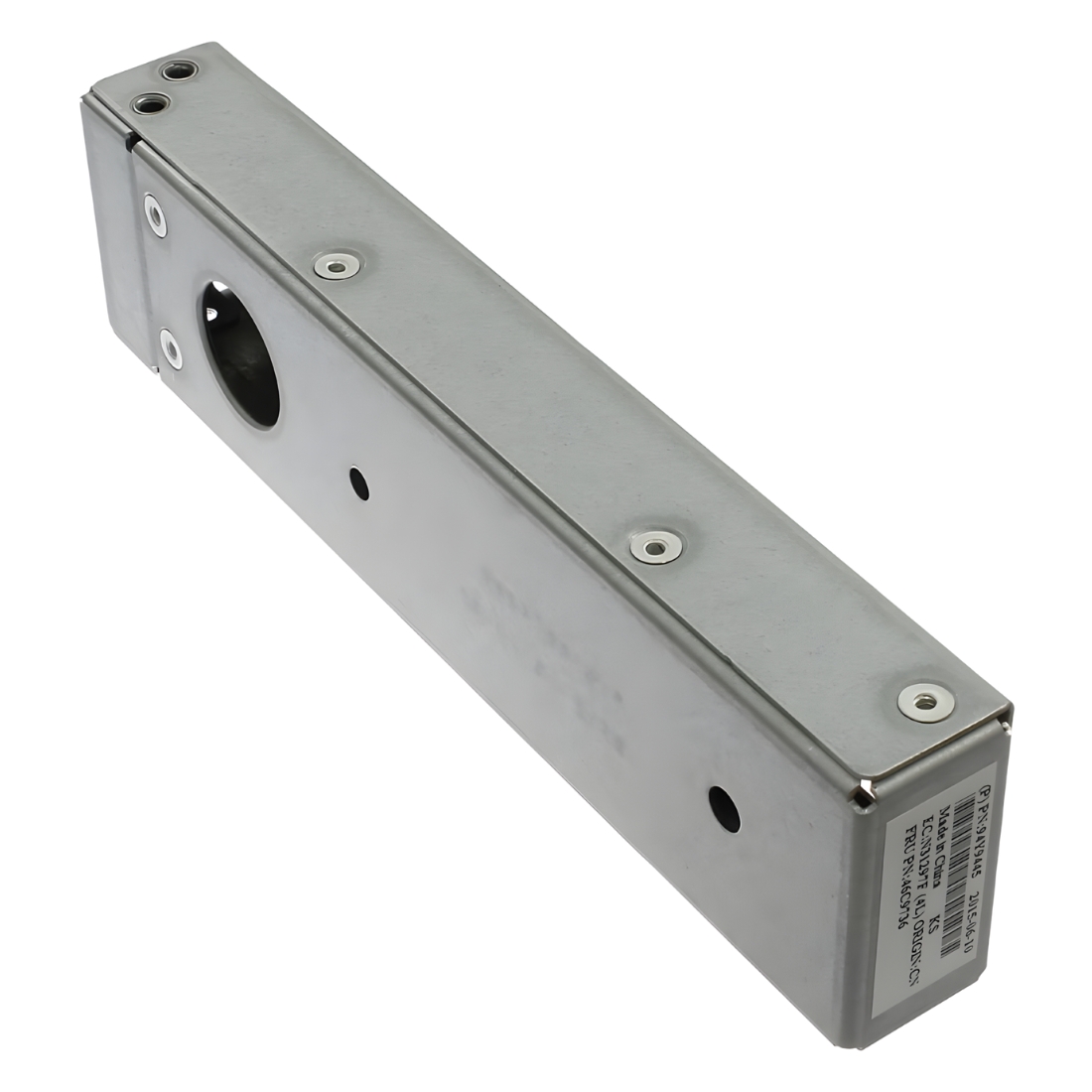
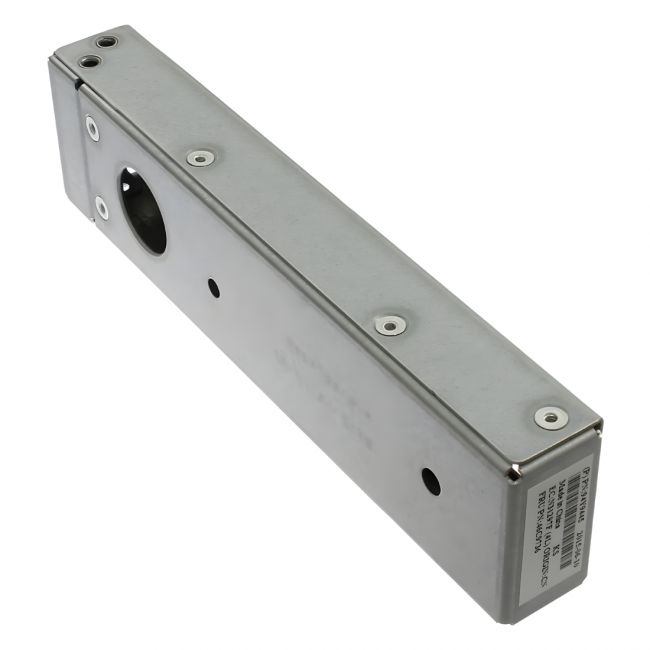
The 46C9736 IBM Power Supply Filler for x3850 helps maintain airflow and system cooling by occupying empty power supply bays. It fits into the server chassis to prevent dust and debris buildup, supporting the overall stability and operation of IBM x3850 servers. |
General Information |
|
|---|---|
| Brand | IBM |
| Part Number | 46C9736 |
| Alternate Part Number | 46C9736-12-CT |
Technical Information |
|
|---|---|
| Series | IBM System x3850 |
| product type | Power Supply Filler Panel |
| Product Category | Server Accessories |
| Compatibility | IBM System x3850 |
Miscellaneous |
|
|---|---|
| Assembly Required | Yes |
| Eco Friendly | Yes |
| Compliance Standards | WEEE, RoHS, cURus, CE, FCC, CCC, UL, TUV, cULus, CSA, cUL |
Physical Characteristics |
|
|---|---|
| Weight | 3.00 |
| Condition | Refurbished |
Product Description |
|---|
This power supply filler is designed specifically for IBM x3850 servers. It functions as a placeholder in power supply bays when a power unit is not installed, helping to maintain overall system stability. Often found in server environments where power configurations vary, this filler keeps the airflow consistent and prevents dust or debris from entering the chassis. IT professionals and data center managers commonly utilize this component to ensure their servers operate efficiently and reliably. Key Features
These fillers are typically used in large-scale data centers or server rooms where modular power configurations are common. By keeping the server enclosure intact and properly ventilated, they contribute to the longevity and consistent operation of the IBM x3850 systems. |
Use Cases |
|---|
The 46C9736 IBM Power Supply Filler is used primarily to manage airflow and maintain system stability in IBM x3850 server environments. How It's Used:
This filler is an essential part of maintaining server reliability and thermal management in enterprise IT infrastructures. |
 Shipping Options
 International Delivery
Requires a UPS, FedEx, or DHL account. Customers may arrange pickup from our US warehouse.
International Delivery
Requires a UPS, FedEx, or DHL account. Customers may arrange pickup from our US warehouse.
 Payment Methods
We accept Visa, Mastercard, AMEX, Discover, and Wire Transfer.
Payment Methods
We accept Visa, Mastercard, AMEX, Discover, and Wire Transfer.
 Purchase Orders
We process purchase orders for government agencies, enterprises, data centers, and SMBs.
Purchase Orders
We process purchase orders for government agencies, enterprises, data centers, and SMBs.