

Subscribe To Our Newsletter!
Subscribe to the newsletter to stay up to date with the latest news and most useful
Newsletter
↑
Back to Top



Product Overview |
|---|
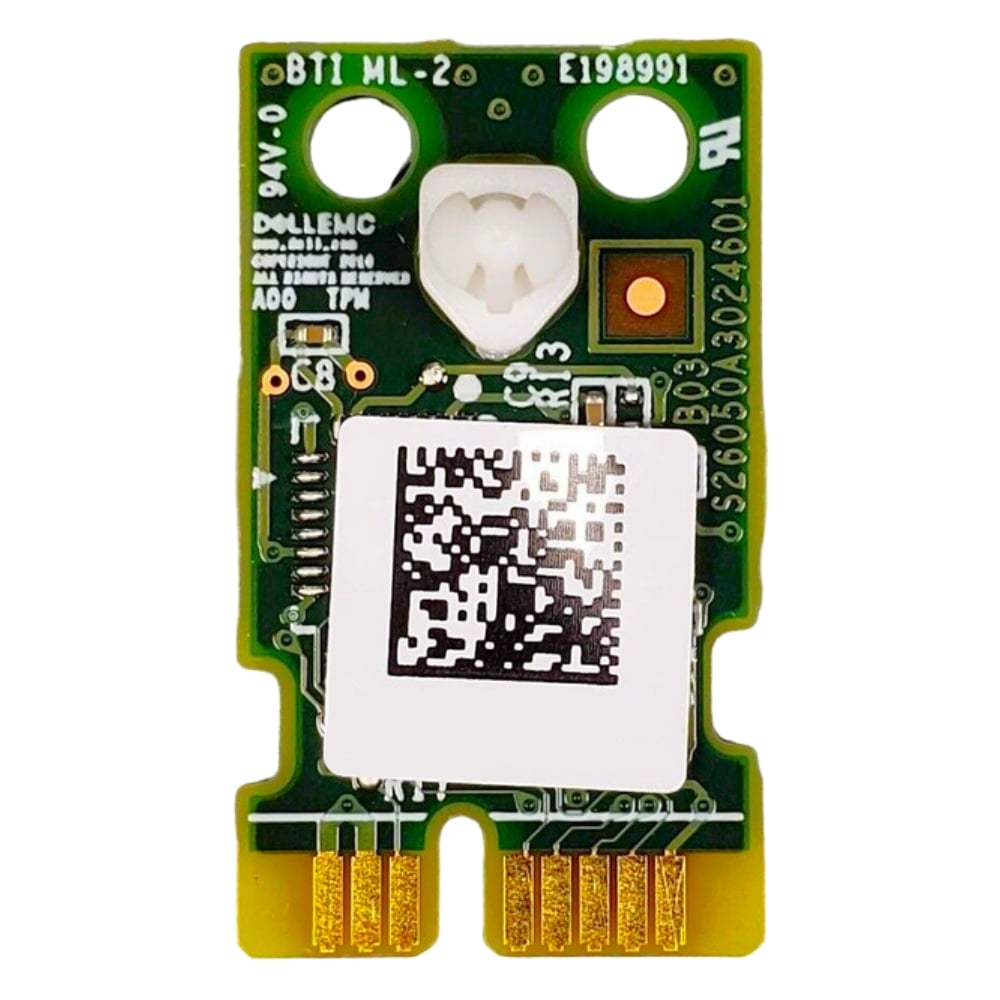
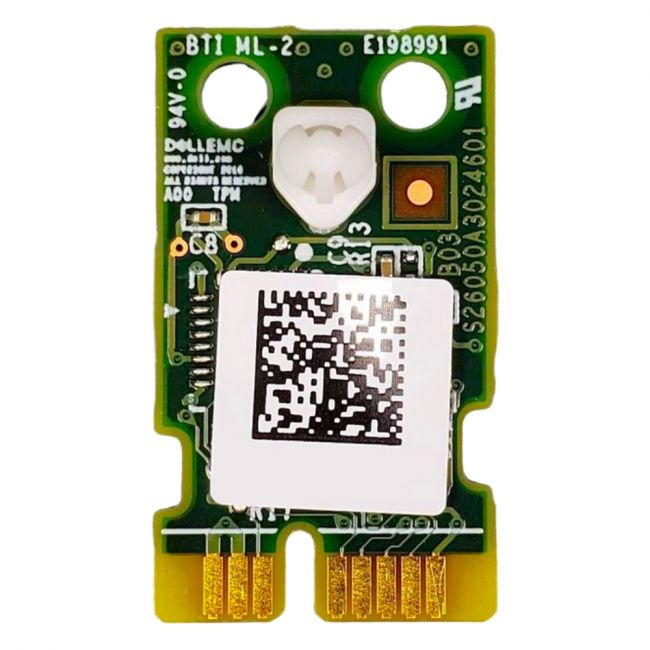
The 461-AAIM Dell PowerEdge Gen14 Trusted Platform Module (TPM) 2.0 offers hardware-level security by providing cryptographic key generation and secure storage, supports secure boot processes, and integrates directly with Dell PowerEdge Gen14 servers for enhanced platform integrity. |
General Information |
|
|---|---|
| Brand | Dell |
| Part Number | 461-AAIM |
Technical Information |
|
|---|---|
| tpm_interface | I2C |
| TPM Version | TPM 2.0 |
Miscellaneous |
|
|---|---|
| Assembly Required | No |
| Eco Friendly | Yes |
| Compliance Standards | WEEE, RoHS, cURus, CE, FCC, CCC, UL, TUV, cULus, CSA, cUL |
Physical Characteristics |
|
|---|---|
| Weight | 3.00 |
| Condition | Refurbished |
Product Description |
|---|
The 461-AAIM Dell PowerEdge Gen14 Trusted Platform Module (TPM) 2.0 is a hardware security component designed to provide enhanced security features for Dell PowerEdge Gen14 servers. It is typically installed within enterprise server environments where data protection and secure platform integrity are critical. This TPM module enables secure cryptographic operations, including secure key generation and storage, which helps protect sensitive information from unauthorized access. It is widely used in data centers and IT infrastructures requiring compliance with security standards and regulations. Key Features
By integrating this TPM module, organizations can strengthen their server security posture, protecting critical assets and enhancing trust in their IT infrastructure. The module is engineered to operate reliably within the Dell PowerEdge Gen14 environment, providing a robust foundation for secure computing. |
Use Cases |
|---|
The 461-AAIM Dell PowerEdge Gen14 TPM 2.0 module is used to enhance server security in various enterprise scenarios. How It's Used:
These use cases demonstrate the module's role in safeguarding server environments against security threats and ensuring trustworthy system operation. |
 Shipping Options
 International Delivery
Requires a UPS, FedEx, or DHL account. Customers may arrange pickup from our US warehouse.
International Delivery
Requires a UPS, FedEx, or DHL account. Customers may arrange pickup from our US warehouse.
 Payment Methods
We accept Visa, Mastercard, AMEX, Discover, and Wire Transfer.
Payment Methods
We accept Visa, Mastercard, AMEX, Discover, and Wire Transfer.
 Purchase Orders
We process purchase orders for government agencies, enterprises, data centers, and SMBs.
Purchase Orders
We process purchase orders for government agencies, enterprises, data centers, and SMBs.