

Subscribe To Our Newsletter!
Subscribe to the newsletter to stay up to date with the latest news and most useful
Newsletter
↑
Back to Top



Product Overview |
|---|
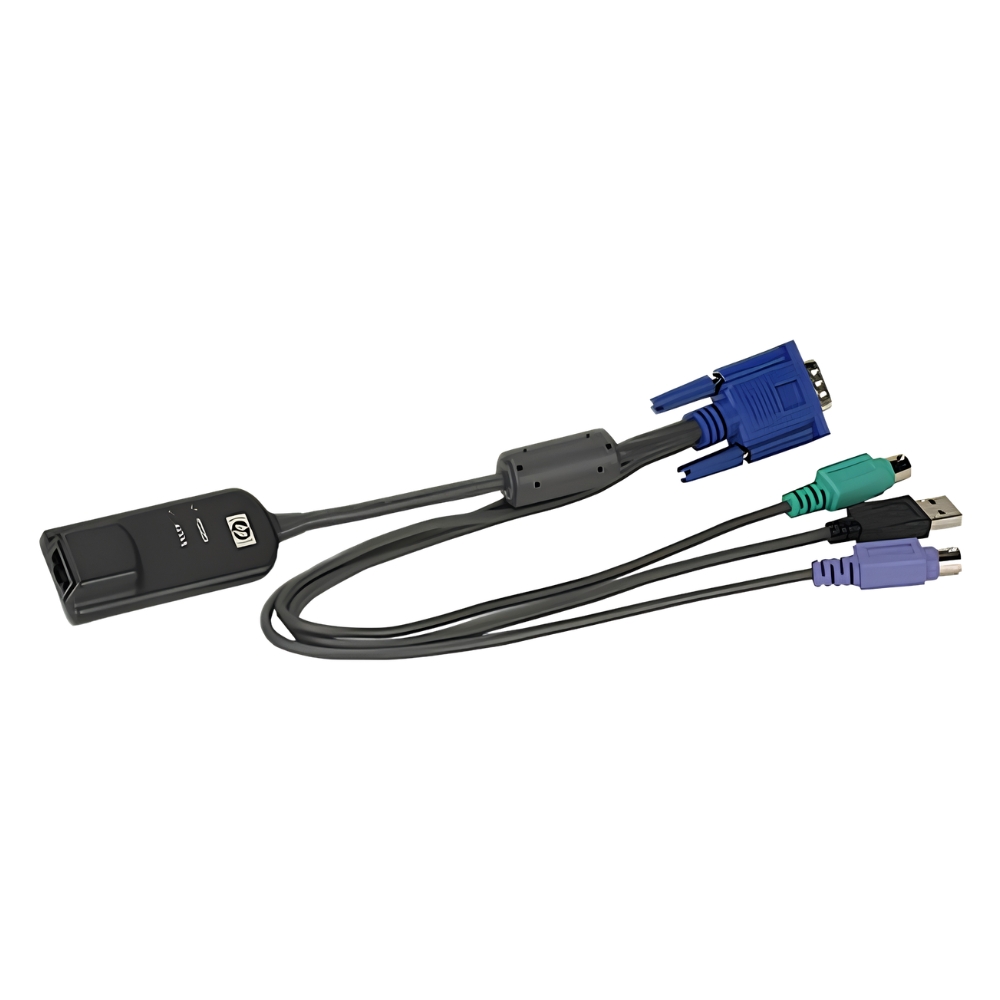
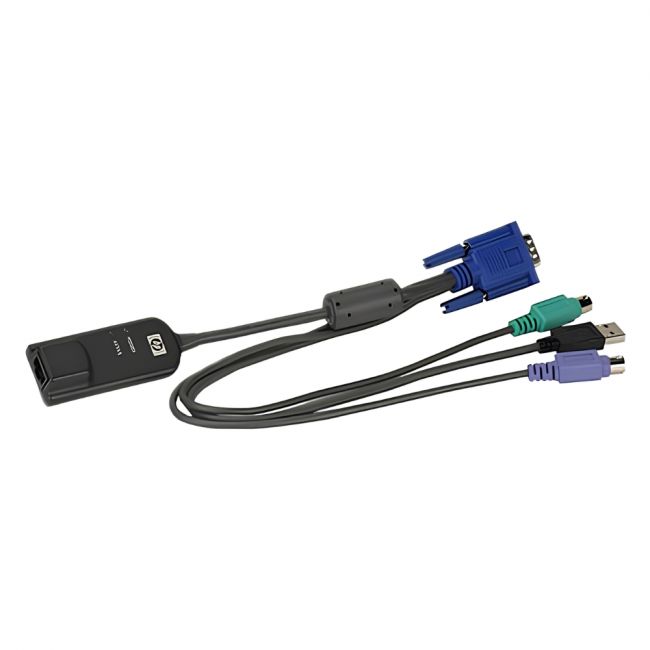
The 414619-001 HP PS/2 Virtual Media Interface Adapter provides essential virtual media capabilities through PS/2 connections, integrating into HP server environments to extend remote management options. It fits neatly into setups requiring BIOS-level media redirection, enhancing control without additional hardware complexity. |
General Information |
|
|---|---|
| Brand | HP |
Technical Information |
|
|---|---|
| Generation | N/A |
Physical Characteristics |
|
|---|---|
| Form Factor | Internal module / adapter (PS/2 Virtual Media Interface) |
| Weight | 3.00 |
| Condition | Refurbished |
Miscellaneous |
|
|---|---|
| Assembly Required | No |
Product Description |
|---|
The 414619-001 HP PS/2 Virtual Media Interface Adapter allows servers to access external media virtually over a PS/2 connection, enabling remote control and management functions. This adapter is often found in data center environments where administrators require BIOS-level access to media devices remotely. Commonly used in enterprise environments, this adapter supports IT professionals and system administrators managing HP server infrastructures. It helps bridge legacy PS/2 interfaces with modern virtual media capabilities, ensuring smooth remote operations without physical media handling. Key Features
This adapter plays a vital role in enabling remote media access, improving operational flexibility without requiring physical presence. Its dependable performance supports efficient system management and maintenance. |
Use Cases |
|---|
This adapter is typically utilized within data centers and enterprise IT environments where remote administration of HP servers is necessary. It benefits system administrators needing to perform media-based tasks without direct physical access to the equipment. How It's Used:
By providing virtual media access over PS/2, the adapter enhances operational efficiency where physical interaction is limited. It helps scale remote management capabilities while maintaining reliable system performance. |
 Shipping Options
 International Delivery
Requires a UPS, FedEx, or DHL account. Customers may arrange pickup from our US warehouse.
International Delivery
Requires a UPS, FedEx, or DHL account. Customers may arrange pickup from our US warehouse.
 Payment Methods
We accept Visa, Mastercard, AMEX, Discover, and Wire Transfer.
Payment Methods
We accept Visa, Mastercard, AMEX, Discover, and Wire Transfer.
 Purchase Orders
We process purchase orders for government agencies, enterprises, data centers, and SMBs.
Purchase Orders
We process purchase orders for government agencies, enterprises, data centers, and SMBs.