

Subscribe To Our Newsletter!
Subscribe to the newsletter to stay up to date with the latest news and most useful
Newsletter
↑
Back to Top



Product Overview |
|---|
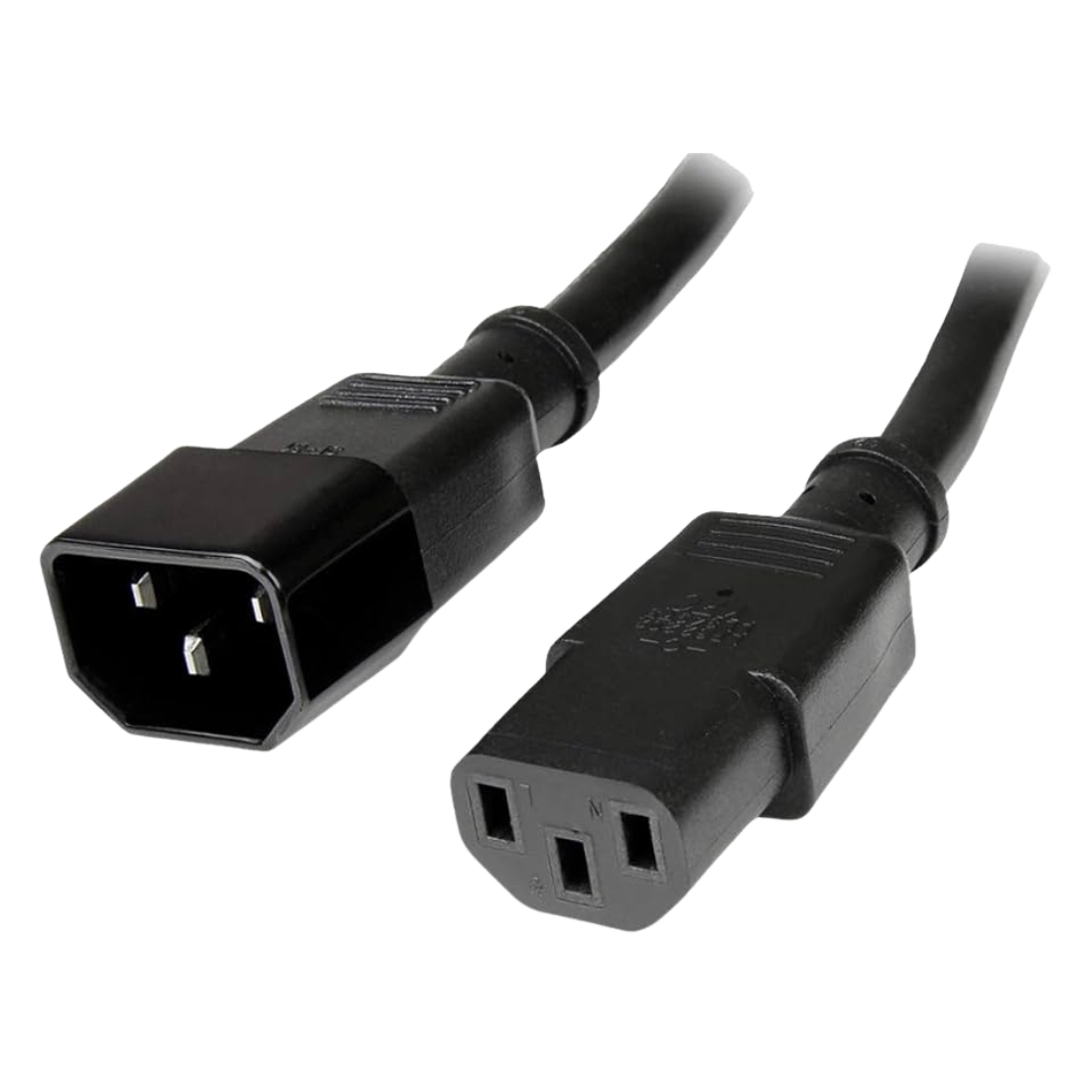
The IBM DPI PDU+ Australia/New Zealand power cord is built to connect IBM power distribution units to local electrical outlets safely and reliably. It fits into environments where dependable power supply is necessary to keep server and networking equipment running without issues. |
General Information |
|
|---|---|
| Brand | IBM |
| Part Number | 40K9617 |
| Alternate Part Number | 40K9617-01-UK |
Technical Information |
|
|---|---|
| Cable Family | Power |
| Cable Type | Power Cord |
| Cable Length | 2.5 m |
| Compatibility | IBM DPI PDU+ (Australia / New Zealand) |
| Voltage | 10A / 250V AC |
| product type | Power Cord |
| Product Category | Power |
Connectivity |
|
|---|---|
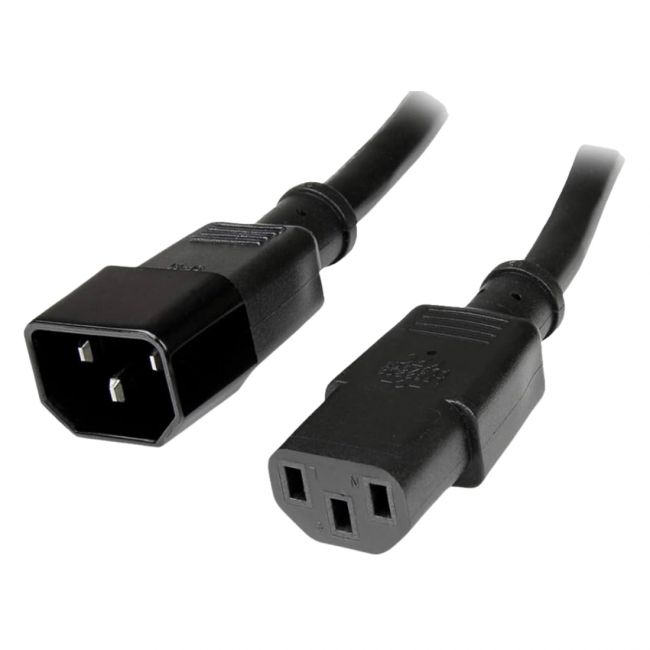
| Connector A | C13 |
| Cable Connector Gender | Male to Female |
| Connector Type | IEC C13 to AS/NZ 3112 (Type I) |
Physical Characteristics |
|
|---|---|
| Form Factor | 3-conductor round cable, molded ends |
| Weight | 0.60 |
| Condition | Refurbished |
Product Description |
|---|
This IBM DPI PDU+ power cord is designed to connect power distribution units to Australian and New Zealand power sources. It provides a secure and stable electrical connection, essential for maintaining uptime in data centers and server rooms. IT professionals and facility managers use this cord to ensure their equipment receives consistent power without interruptions. Key Features
Typically found in enterprise data centers and IT infrastructure setups, this power cord supports critical hardware operations. Its compliance with local standards helps reduce risk and maintain operational stability over extended periods. |
Use Cases |
|---|
The 40K9617 power cord is essential for powering IBM DPI PDU+ units in regions with Australia and New Zealand electrical standards. How It's Used:
By using this power cord, organizations ensure their IBM PDU+ units are safely and effectively powered, maintaining operational stability and adherence to regional power regulations. |
 Shipping Options
 International Delivery
Requires a UPS, FedEx, or DHL account. Customers may arrange pickup from our US warehouse.
International Delivery
Requires a UPS, FedEx, or DHL account. Customers may arrange pickup from our US warehouse.
 Payment Methods
We accept Visa, Mastercard, AMEX, Discover, and Wire Transfer.
Payment Methods
We accept Visa, Mastercard, AMEX, Discover, and Wire Transfer.
 Purchase Orders
We process purchase orders for government agencies, enterprises, data centers, and SMBs.
Purchase Orders
We process purchase orders for government agencies, enterprises, data centers, and SMBs.