

Subscribe To Our Newsletter!
Subscribe to the newsletter to stay up to date with the latest news and most useful
Newsletter
↑
Back to Top



Product Overview |
|---|
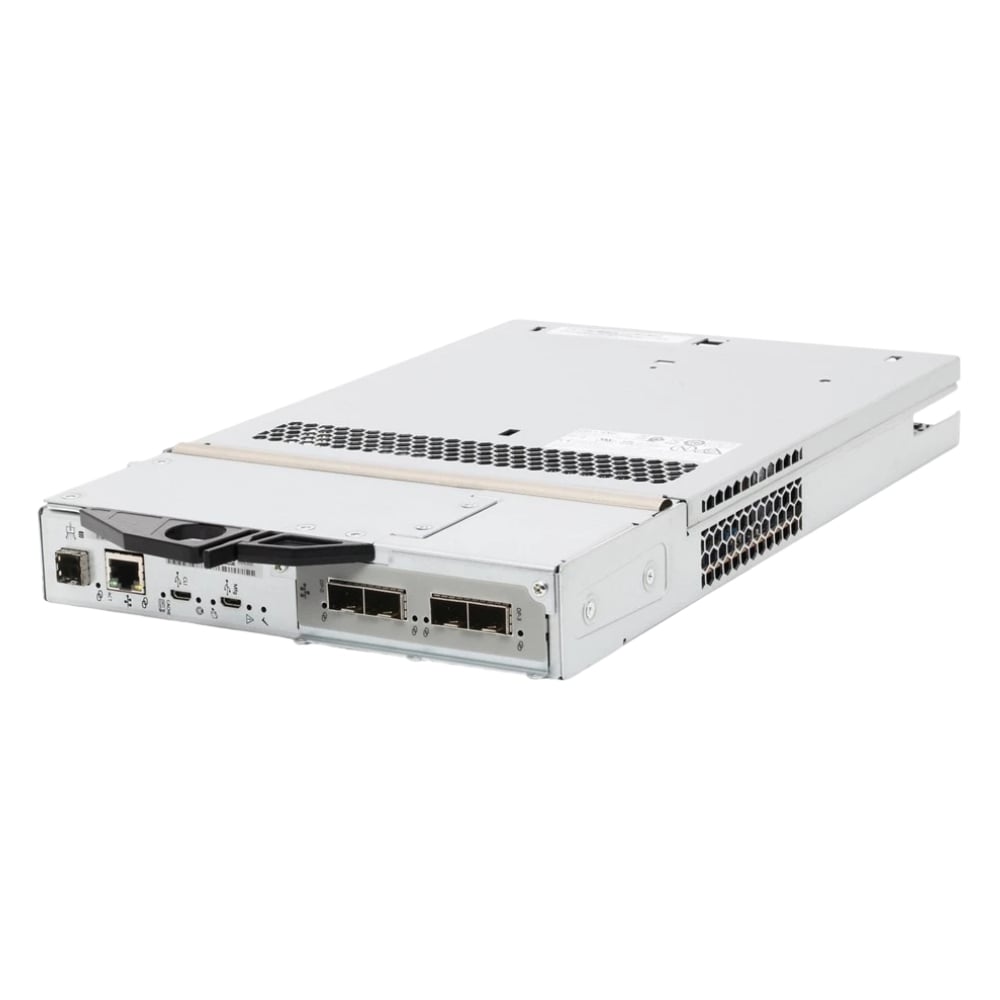
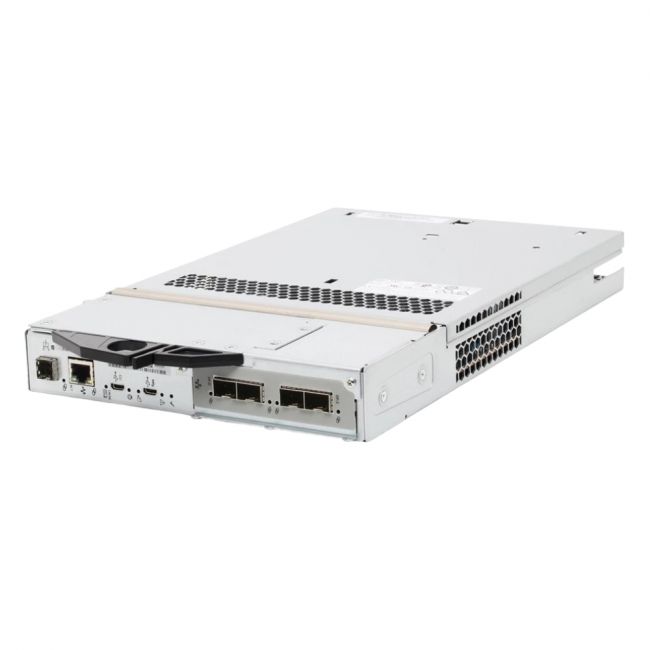
The 403-BCPG Dell 25Gb SFP28 iSCSI 4-Port Single Controller offers four 25Gb SFP28 ports optimized for iSCSI protocol, designed for use with Dell ME5024, ME5012, and ME5084 storage arrays to provide high-speed, reliable storage network connectivity. |
General Information |
|
|---|---|
| Brand | Dell |
| Part Number | 403-BCPG |
Technical Specification |
|
|---|---|
| Host Interface | iSCSI (SFP28) |
| Data Rate | 25Gb/s |
| Ports | 4 |
| Connectivity | Ethernet,iSCSI |
| External Interface | SFP28 |
| Compatibility | ME5024,ME5012,ME5084 |
Physical Characteristics |
|
|---|---|
| Form Factor | Controller module |
| Weight | 3.00 |
| Condition | Refurbished |
Miscellaneous |
|
|---|---|
| Eco Friendly | Yes |
| Compliance Standards | WEEE, RoHS, CE, FCC |
Product Description |
|---|
The 403-BCPG Dell 25Gb SFP28 iSCSI 4-Port Single Controller is designed to enhance storage networking performance by providing multiple high-speed 25Gb ports. It is typically used in enterprise storage environments requiring fast and reliable iSCSI connectivity. This controller is specifically built for integration with Dell ME5024, ME5012, and ME5084 storage arrays, enabling efficient data transmission and storage access. IT administrators and data center professionals benefit from improved bandwidth and reduced latency for storage traffic. Key Features
This controller strengthens the overall performance of Dell storage arrays by delivering fast and reliable network connections. It is suited for environments that demand high-speed data access and storage scalability. |
Use Cases |
|---|
The 403-BCPG Dell 25Gb SFP28 iSCSI 4-Port Single Controller is ideal for enhancing storage network performance in enterprise data centers. How It's Used:
This controller helps organizations optimize storage network throughput and reliability, supporting critical business applications and data workloads. |
 Shipping Options
 International Delivery
Requires a UPS, FedEx, or DHL account. Customers may arrange pickup from our US warehouse.
International Delivery
Requires a UPS, FedEx, or DHL account. Customers may arrange pickup from our US warehouse.
 Payment Methods
We accept Visa, Mastercard, AMEX, Discover, and Wire Transfer.
Payment Methods
We accept Visa, Mastercard, AMEX, Discover, and Wire Transfer.
 Purchase Orders
We process purchase orders for government agencies, enterprises, data centers, and SMBs.
Purchase Orders
We process purchase orders for government agencies, enterprises, data centers, and SMBs.