

Subscribe To Our Newsletter!
Subscribe to the newsletter to stay up to date with the latest news and most useful
Newsletter
↑
Back to Top



Product Overview |
|---|
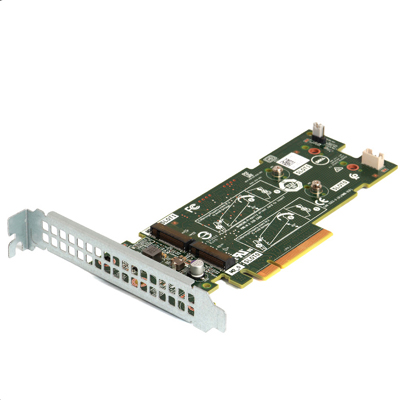
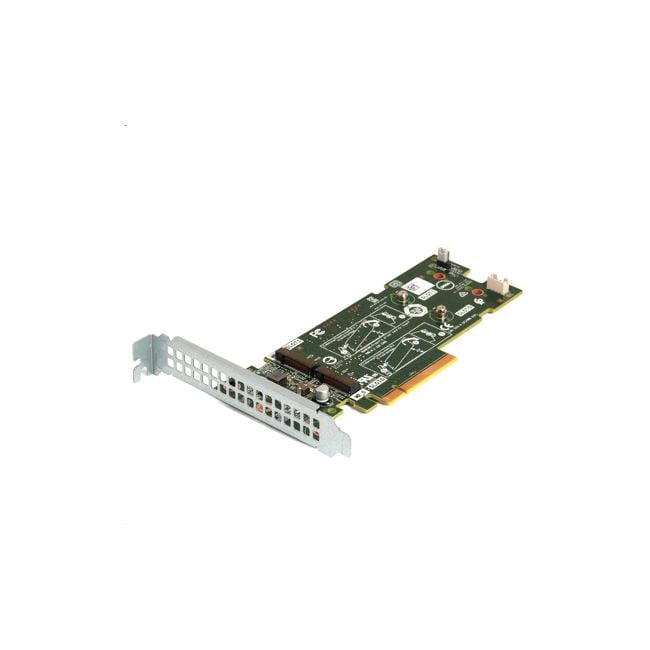
The 403-BCHJ Dell BOSS SATA M.2 Controller Card serves as a practical solution for managing dual M.2 SATA SSDs in many Dell PowerEdge servers. It helps deliver a mix of speed and redundancy by supporting RAID options and fits neatly within the server’s architecture to boost storage performance without extra complexity. |
General Information |
|
|---|---|
| Brand | Dell |
| Part Number | 403-BCHJ |
Physical Characteristics |
|
|---|---|
| Weight | 5.00 |
| Condition | Refurbished |
Product Description |
|---|
The 403-BCHJ Dell BOSS SATA M.2 Controller Card is built to manage multiple M.2 SATA SSDs in server environments. It is commonly found in Dell PowerEdge systems where fast, reliable storage is a priority. IT administrators and data center operators often use this card to optimize storage configurations by combining speed and redundancy. Key Features
This controller card is typically deployed in enterprise server racks where demanding workloads require fast storage access and reliable data integrity. It plays a role in improving boot times, application responsiveness, and overall server efficiency without significant hardware changes. |
Use Cases |
|---|
The 403-BCHJ Dell BOSS SATA M.2 Controller Card is primarily utilized within Dell PowerEdge server environments where enhanced storage speed and reliability are critical. IT administrators managing virtualization platforms, database servers, or high-availability systems benefit from its RAID capabilities and compact integration, making it suitable for medium to large data center deployments. How It's Used:
This controller card streamlines storage management within Dell PowerEdge servers, delivering scalable performance improvements and resilience without complicating system architecture. It offers a practical approach to enhancing operational efficiency in environments where storage speed and reliability directly impact workload stability and service delivery. |
 Shipping Options
 International Delivery
Requires a UPS, FedEx, or DHL account. Customers may arrange pickup from our US warehouse.
International Delivery
Requires a UPS, FedEx, or DHL account. Customers may arrange pickup from our US warehouse.
 Payment Methods
We accept Visa, Mastercard, AMEX, Discover, and Wire Transfer.
Payment Methods
We accept Visa, Mastercard, AMEX, Discover, and Wire Transfer.
 Purchase Orders
We process purchase orders for government agencies, enterprises, data centers, and SMBs.
Purchase Orders
We process purchase orders for government agencies, enterprises, data centers, and SMBs.