

Subscribe To Our Newsletter!
Subscribe to the newsletter to stay up to date with the latest news and most useful
Newsletter
↑
Back to Top



Product Overview |
|---|
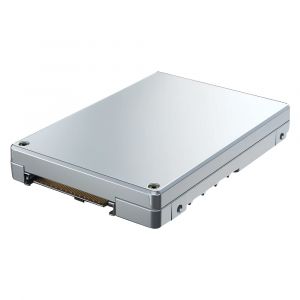
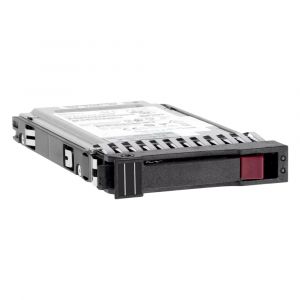
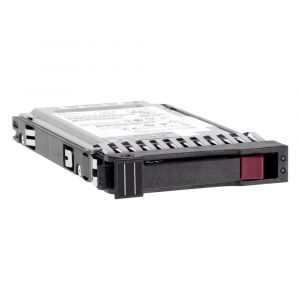
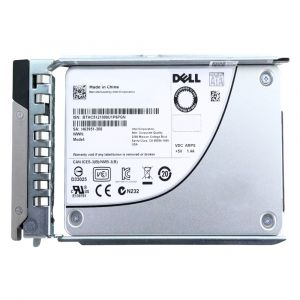
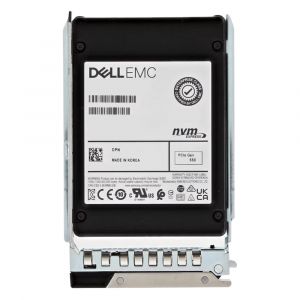
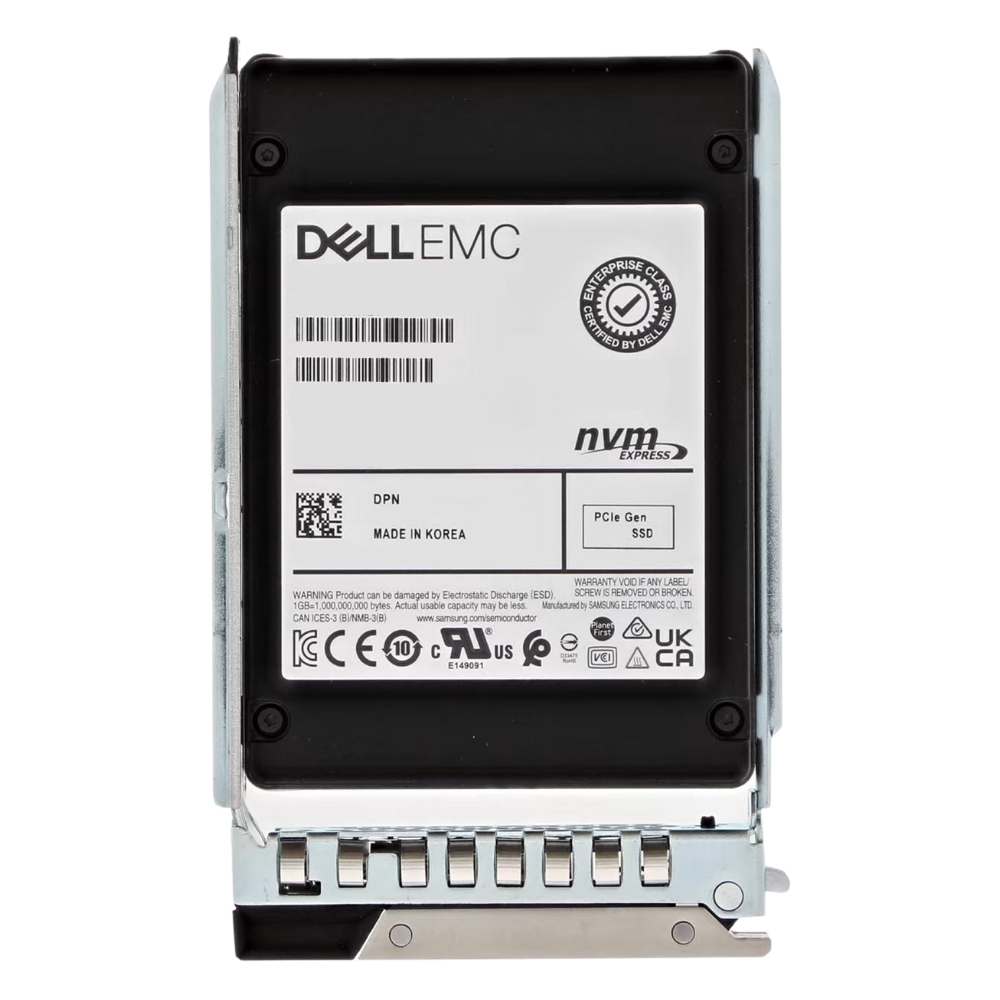
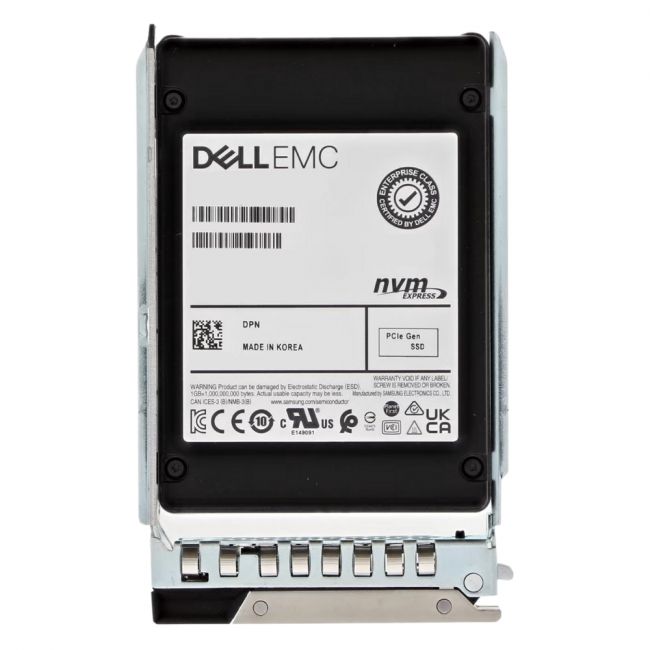
The Dell 400-BRZH 30.72TB SSD offers high-capacity data storage using QLC NAND technology and connects via PCIe 4.0 x4 NVMe. Its U.2 2.5-inch form factor is designed for compatibility with enterprise servers and storage arrays, making it suitable for large-scale storage deployments. |
General Information |
|
|---|---|
| Brand | Dell |
Technical Information |
|
|---|---|
| Capacity | 30.72TB |
| NAND Flash | Quad-Level Cell (QLC) |
| Memory Technology | Quad-Level Cell (QLC) |
| Hot Swappable | Yes |
| Hot Pluggable | Yes |
Physical Characteristics |
|
|---|---|
| Weight | 0.60 |
| Condition | Refurbished |
Miscellaneous |
|
|---|---|
| Compliance Standards | WEEE, RoHS, CE, FCC |
Product Description |
|---|
The Dell 400-BRZH is a solid-state drive (SSD) featuring a large 30.72TB capacity using Quad-Level Cell (QLC) NAND flash technology. It connects via a PCIe 4.0 x4 NVMe interface, delivering a high-bandwidth data transfer to meet demanding storage requirements. This SSD comes in a U.2 2.5-inch form factor, commonly used in data centers and enterprise servers where high-capacity and high-throughput storage devices are essential. IT professionals and system administrators typically deploy such drives to expand storage pools in storage arrays or server systems. Key Features
With its capacity and interface, the Dell 400-BRZH SSD serves as a substantial storage component in enterprise environments, offering a balance between capacity and transfer speed. It fits into systems requiring scalable storage solutions without altering existing infrastructure form factors. |
Use Cases |
|---|
The Dell 400-BRZH SSD is typically used in enterprise data centers and server environments where high-capacity and efficient storage is required. It suits workloads involving large data sets and is aimed at IT professionals managing storage expansion. How It's Used:
This SSD plays a crucial role in environments demanding substantial capacity with PCIe 4.0 interface speed, fitting into existing U.2 slots to enhance overall storage infrastructure without major hardware changes. |
FAQ's |
|---|
|
 Shipping Options
 International Delivery
Requires a UPS, FedEx, or DHL account. Customers may arrange pickup from our US warehouse.
International Delivery
Requires a UPS, FedEx, or DHL account. Customers may arrange pickup from our US warehouse.
 Payment Methods
We accept Visa, Mastercard, AMEX, Discover, and Wire Transfer.
Payment Methods
We accept Visa, Mastercard, AMEX, Discover, and Wire Transfer.
 Purchase Orders
We process purchase orders for government agencies, enterprises, data centers, and SMBs.
Purchase Orders
We process purchase orders for government agencies, enterprises, data centers, and SMBs.