

Subscribe To Our Newsletter!
Subscribe to the newsletter to stay up to date with the latest news and most useful
Newsletter
↑
Back to Top



Product Overview |
|---|
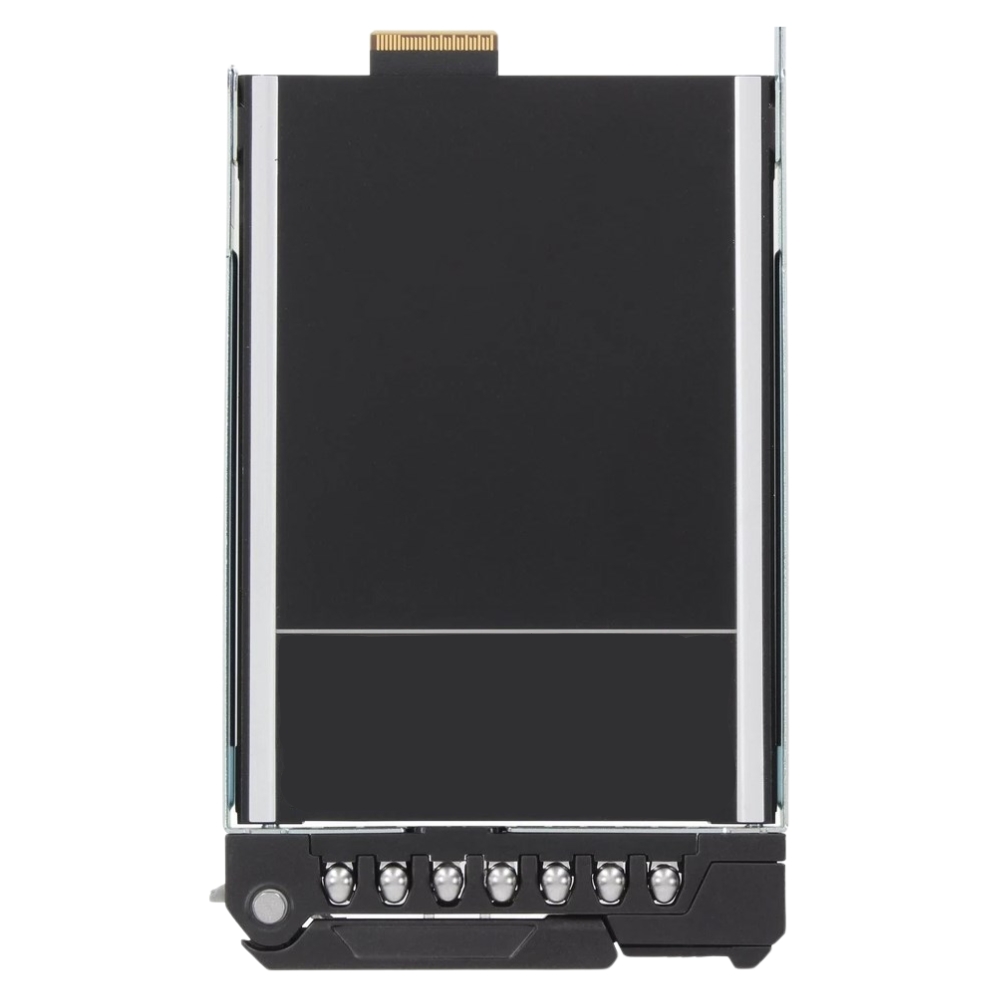
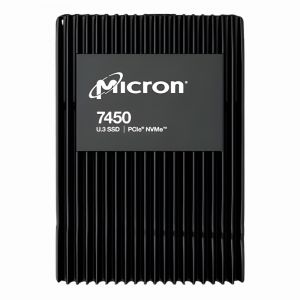
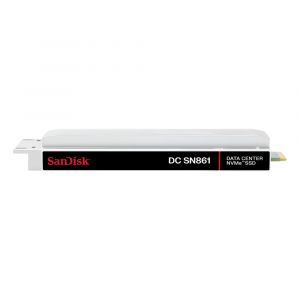
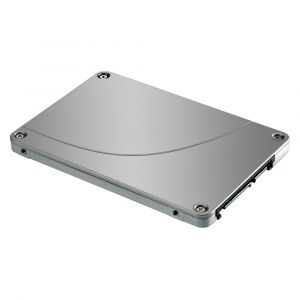
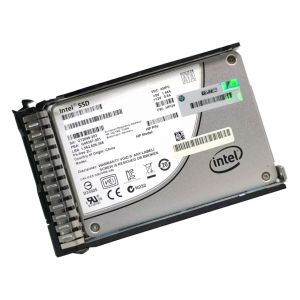
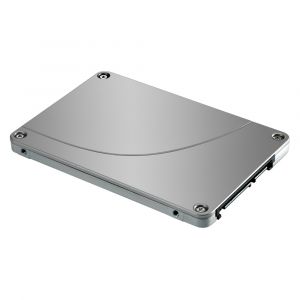
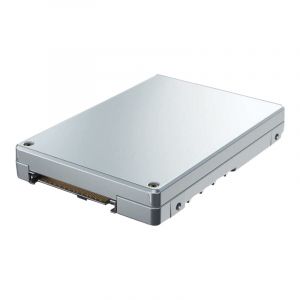
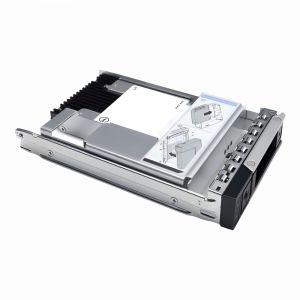
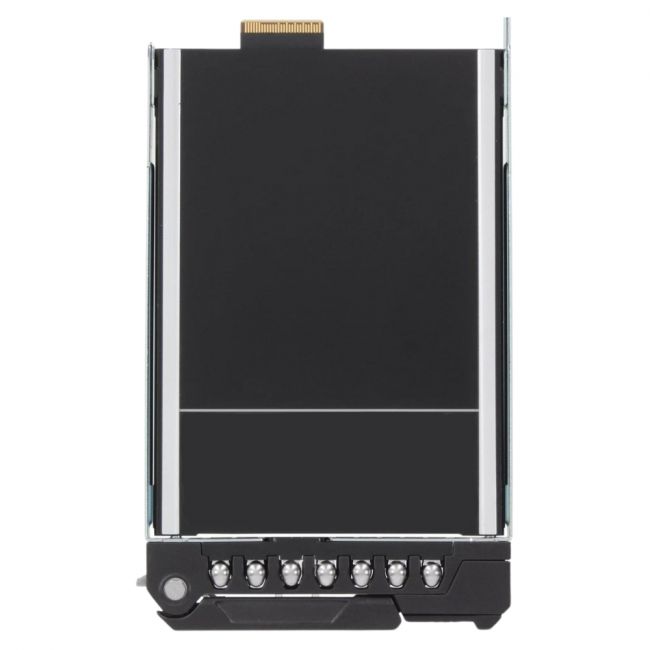
The Dell 3J4FH 1.92TB PCIe 5.0 x4 NVMe E3.S 2.5" Read-Intensive SSD provides a high-capacity and high-bandwidth solid-state storage solution. Designed for enterprise applications, it integrates the PCIe 5.0 interface with the NVMe protocol and an E3.S form factor to serve read-focused data workloads in compatible server environments. |
General Information |
|
|---|---|
| Brand | Dell |
Technical Information |
|
|---|---|
| Capacity | 1.92TB |
| Interface | PCIe Gen 5.0 x4 |
Physical Characteristics |
|
|---|---|
| Weight | 0.60 |
| Condition | Refurbished |
Product Description |
|---|
The Dell 3J4FH is a 1.92TB solid-state drive engineered for read-intensive applications. It utilizes the PCIe 5.0 x4 NVMe interface to provide a high bandwidth connection, facilitating rapid data access and transfer. The E3.S 2.5 inch form factor makes it compatible with specific server and storage platforms that support this emerging standard. This SSD is primarily used in data centers and enterprise environments where read-intensive workloads such as databases, analytics, and content delivery are common. IT professionals and system architects select this drive to optimize read throughput while maintaining a balance with endurance. Key Features
This SSD plays a strategic role in environments requiring sustained read performance and capacity. It supports infrastructure modernization efforts where storage performance and form factor standards are evolving to meet increased data demands. |
Use Cases |
|---|
This Dell 3J4FH SSD is typically deployed in enterprise data centers where read-intensive workloads predominate. It serves applications requiring large storage capacity combined with quick data access, fitting environments with modern server hardware that supports the E3.S form factor and PCIe 5.0 interface. How It's Used:
In general, this SSD supports infrastructure where read throughput and storage density must align with emerging hardware standards. It integrates into systems designed for evolving performance needs without altering the fundamental data flow requirements. |
FAQ's |
|---|
|
 Shipping Options
 International Delivery
Requires a UPS, FedEx, or DHL account. Customers may arrange pickup from our US warehouse.
 Payment Methods
We accept Visa, Mastercard, AMEX, Discover, and Wire Transfer.
 Purchase Orders
We process purchase orders for government agencies, enterprises, data centers, and SMBs.