

Subscribe To Our Newsletter!
Subscribe to the newsletter to stay up to date with the latest news and most useful
Newsletter
↑
Back to Top



Product Overview |
|---|
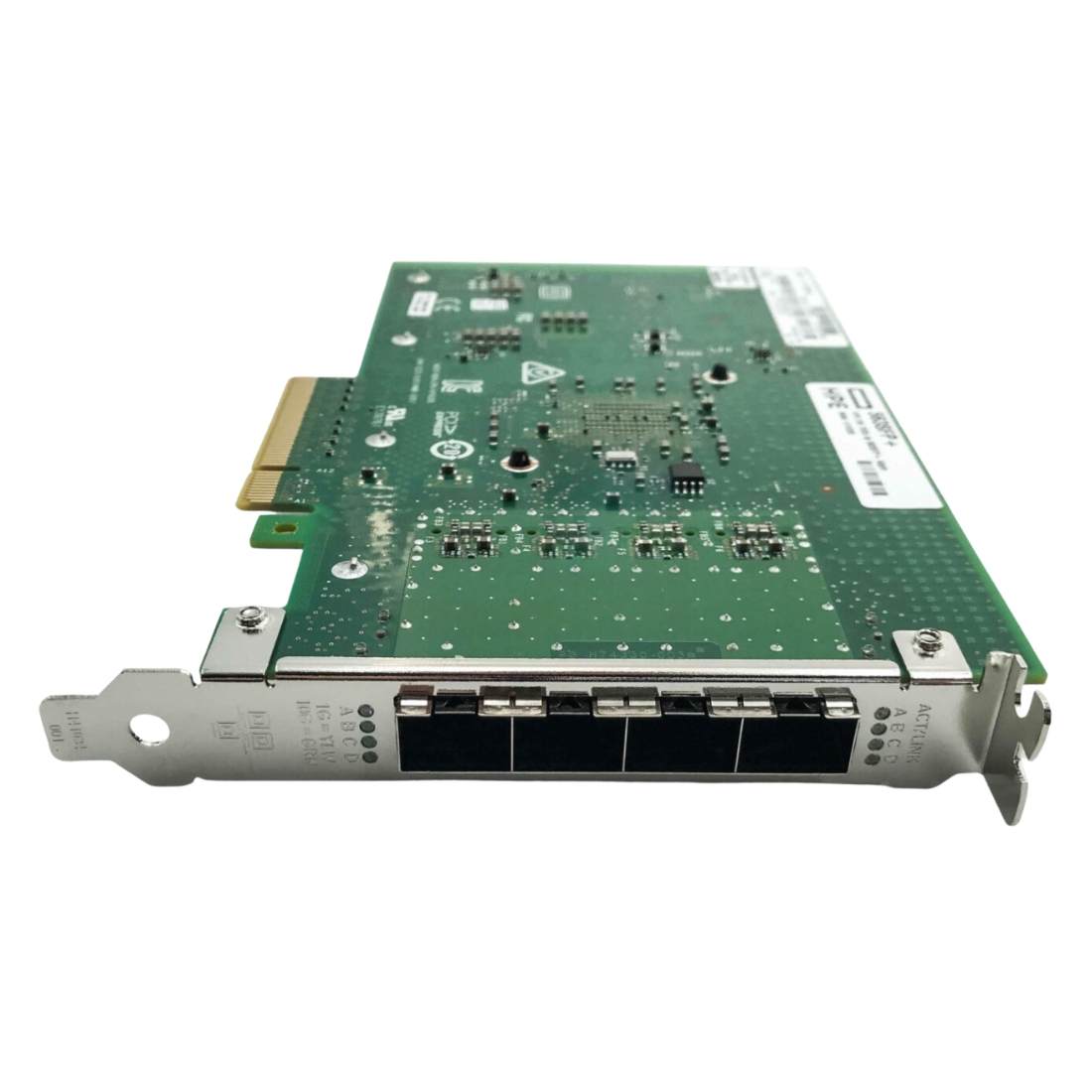
The IBM PRO/1000 PT 4-port PCI-Express network adapter offers four Gigabit Ethernet connections through RJ-45 ports, suited for servers and compact systems. It fits into PCIe x4 slots and features a low-profile bracket, making it ideal for tight spaces where multiple high-speed network links are required. |
General Information |
|
|---|---|
| Brand | IBM |
| Part Number | 39Y6136 |
| Alternate Part Number | 39Y6136-02-CT |
Connectivity & Physical |
|
|---|---|
| Weight | 3.00 |
| Condition | Refurbished |
Miscellaneous |
|
|---|---|
| Assembly Required | Yes |
| Eco Friendly | Yes |
| Compliance Standards | WEEE, RoHS, cURus, CE, FCC, CCC, UL, TUV, cULus, CSA, cUL |
Product Description |
|---|
This IBM PRO/1000 PT network adapter provides four Gigabit Ethernet ports, allowing multiple network connections from a single card. It's commonly used in servers and workstations that require reliable, high-speed wired networking with flexibility for multiple network segments or redundancy. Built for IT professionals managing enterprise networks, this adapter suits environments where consistent network performance and multiple connections are necessary. Often found in data centers and office setups, it helps maintain smooth communication between devices and network resources. Key Features
This adapter is typically deployed in servers or network appliances where space is limited but multiple Gigabit connections are needed. It plays a key role in environments where network reliability and flexibility are important, such as small data centers or office IT infrastructures. |
Use Cases |
|---|
The 39Y6136 IBM PRO/1000 PT network adapter is used in environments that demand stable and high-speed network connections across multiple ports. How It's Used:
This network adapter serves as a versatile component in enterprise networking setups, improving connectivity and system resilience. |
 Shipping Options
 International Delivery
Requires a UPS, FedEx, or DHL account. Customers may arrange pickup from our US warehouse.
International Delivery
Requires a UPS, FedEx, or DHL account. Customers may arrange pickup from our US warehouse.
 Payment Methods
We accept Visa, Mastercard, AMEX, Discover, and Wire Transfer.
Payment Methods
We accept Visa, Mastercard, AMEX, Discover, and Wire Transfer.
 Purchase Orders
We process purchase orders for government agencies, enterprises, data centers, and SMBs.
Purchase Orders
We process purchase orders for government agencies, enterprises, data centers, and SMBs.