

Subscribe To Our Newsletter!
Subscribe to the newsletter to stay up to date with the latest news and most useful
Newsletter
↑
Back to Top



Product Overview |
|---|
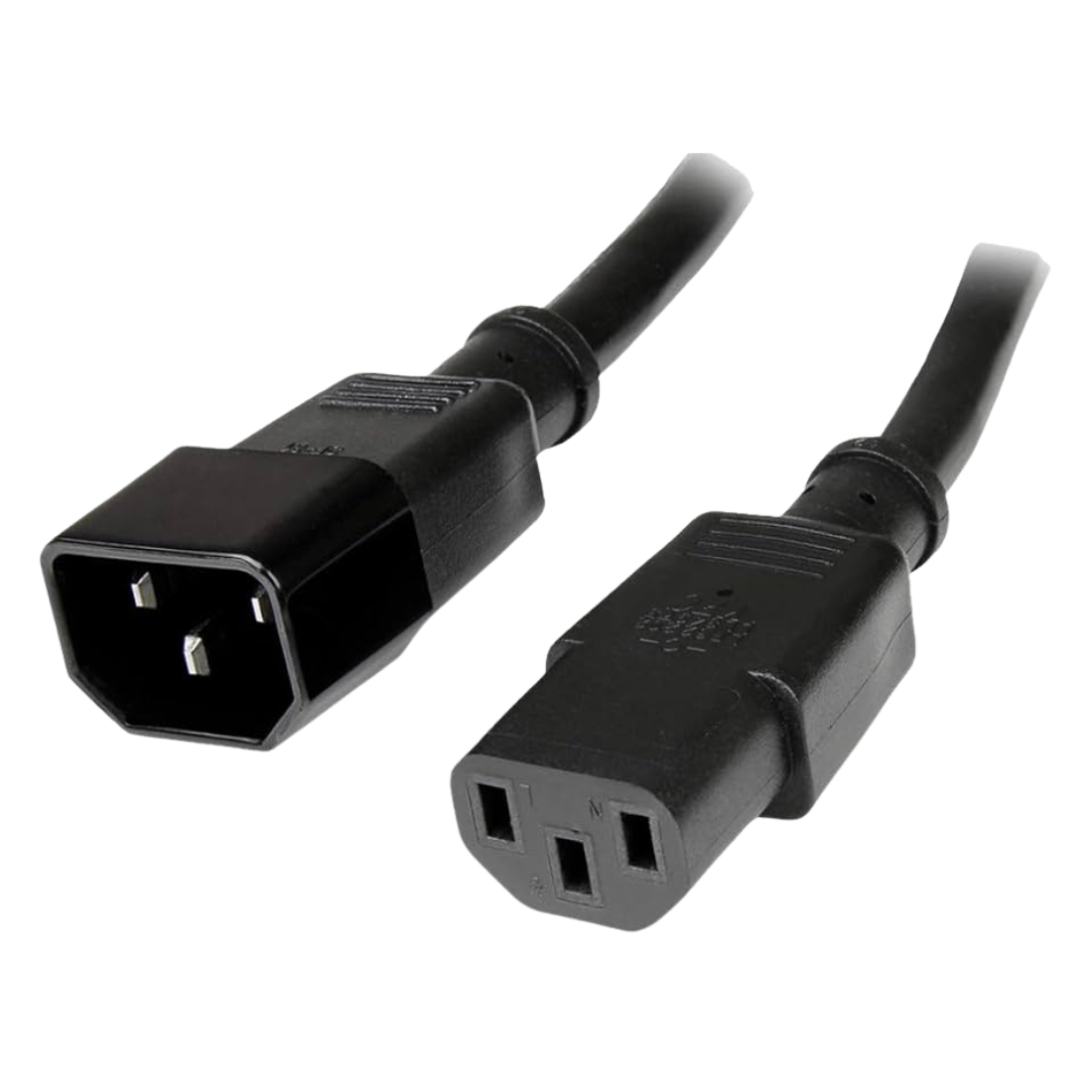
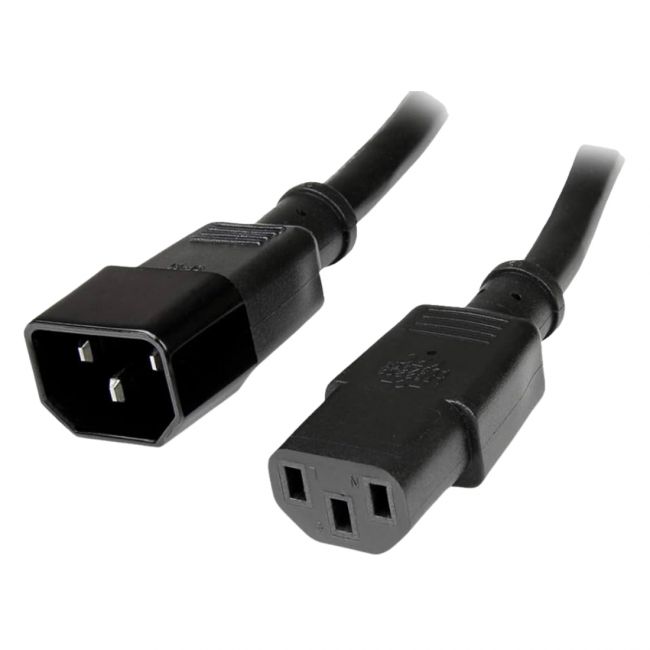
The IBM C19 4.3m Line Cord is a straightforward power cable designed to connect high-current devices to UK power outlets. It fits seamlessly into data centers or IT environments, providing a dependable and adequately rated solution for powering servers, switches, and UPS units without fuss. |
General Information |
|
|---|---|
| Brand | IBM |
| Part Number | 39M5295 |
| Alternate Part Number | 39M5295-02-UK |
Technical Information |
|
|---|---|
| Cable Family | Power |
| Cable Type | Power Cord |
| Cable Length | 4.3 m |
| Compatibility | Devices with IEC C20 inlet (IBM servers, UPS, PDU) |
| Voltage | 250V |
| product type | Line Cord |
| Product Category | Power Cord |
Connectivity |
|
|---|---|
| Connector A | C19 |
| Cable Connector Gender | Male to Female |
| Connector Type | IEC C19 to UK BS1363 (UK Type G) |
Physical Characteristics |
|
|---|---|
| Weight | 3.00 |
| Condition | Refurbished |
Product Description |
|---|
This 4.3 meter IBM power cord features a C19 connector, commonly used for high-power devices including servers, UPS units, and network switches. It’s built for reliable power delivery in data centers or office environments where longer cable runs are necessary. IT professionals and system administrators often rely on such cords to connect critical equipment to power sources safely. Key Features
This power cord is typically deployed in data centers, office IT rooms, and other professional settings where reliable power connections are critical. Its length and rating offer flexibility and peace of mind when powering essential equipment without risks of overload or disconnection. |
Use Cases |
|---|
The 39M5295 IBM C19 4.3m Line Cord (UK) is suited for various professional and technical settings requiring reliable power connections. How It's Used:
This line cord facilitates stable and secure electrical connections, enhancing operational efficiency across complex power setups. |
 Shipping Options
 International Delivery
Requires a UPS, FedEx, or DHL account. Customers may arrange pickup from our US warehouse.
International Delivery
Requires a UPS, FedEx, or DHL account. Customers may arrange pickup from our US warehouse.
 Payment Methods
We accept Visa, Mastercard, AMEX, Discover, and Wire Transfer.
Payment Methods
We accept Visa, Mastercard, AMEX, Discover, and Wire Transfer.
 Purchase Orders
We process purchase orders for government agencies, enterprises, data centers, and SMBs.
Purchase Orders
We process purchase orders for government agencies, enterprises, data centers, and SMBs.