

Subscribe To Our Newsletter!
Subscribe to the newsletter to stay up to date with the latest news and most useful
Newsletter
↑
Back to Top



Product Overview |
|---|
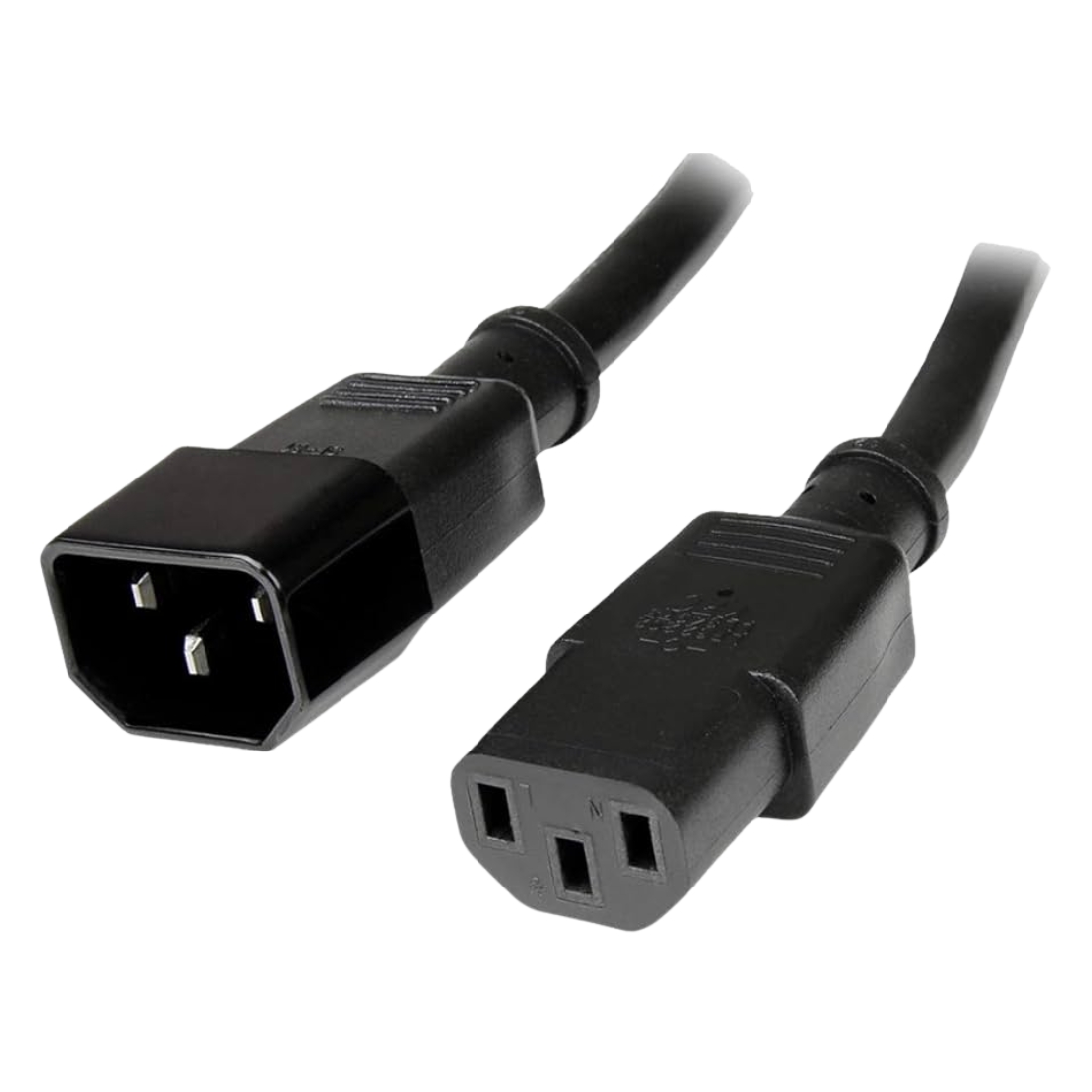
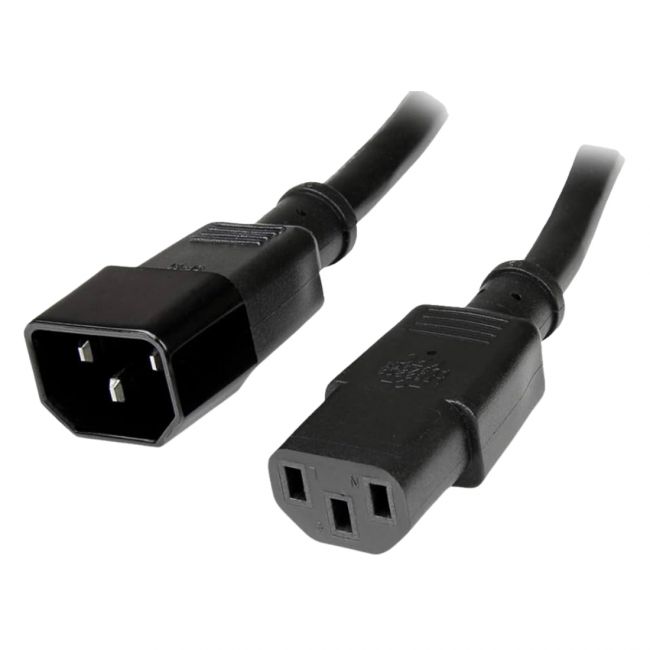
The IBM 2.8m 220-240V C13 to KETI Power Cord connects IBM devices to compatible power outlets, designed primarily for office and data center setups. It delivers a reliable power connection with the appropriate voltage rating and length, fitting common IBM hardware without complication. |
General Information |
|
|---|---|
| Brand | IBM |
| Part Number | 39M5219 |
| Alternate Part Number | 39M5219-13-CT |
Technical Information |
|
|---|---|
| Cable Length | 2.8 m |
| Compatibility | Devices with IEC C14 inlet (servers, desktops, monitors); Korean KETI 220-240V wall outlets |
| Voltage | 220-240V |
Connectivity |
|
|---|---|
| Connector Type | IEC C13 (female) to KETI (male) |
Physical Characteristics |
|
|---|---|
| Form Factor | AC power cord (detachable) |
| Weight | 3.00 |
| Condition | Refurbished |
Product Description |
|---|
This 2.8-meter power cord is built for IBM hardware, providing a secure connection between your device and power source. Often found in office environments and data centers, it offers the right length and voltage compatibility to meet various setup needs. Commonly used with servers, workstations, and networking equipment, this cord is suitable for IT professionals and system administrators who require dependable power cables to maintain system uptime. Key Features
Typically deployed in enterprise settings, this cord helps keep critical systems powered without hassle. Its durability and compatibility make it a practical choice for consistent performance where uptime matters. |
Use Cases |
|---|
The 39M5219 power cord is specifically suited for powering IBM servers, networking equipment, and other hardware requiring a C13 to KETI connection in environments with 220-240V electrical supply. How It's Used:
By using this power cord, administrators ensure reliable power delivery to critical IBM systems, helping maintain operational stability and reducing the risk of power-related interruptions. |
 Shipping Options
 International Delivery
Requires a UPS, FedEx, or DHL account. Customers may arrange pickup from our US warehouse.
International Delivery
Requires a UPS, FedEx, or DHL account. Customers may arrange pickup from our US warehouse.
 Payment Methods
We accept Visa, Mastercard, AMEX, Discover, and Wire Transfer.
Payment Methods
We accept Visa, Mastercard, AMEX, Discover, and Wire Transfer.
 Purchase Orders
We process purchase orders for government agencies, enterprises, data centers, and SMBs.
Purchase Orders
We process purchase orders for government agencies, enterprises, data centers, and SMBs.