

Subscribe To Our Newsletter!
Subscribe to the newsletter to stay up to date with the latest news and most useful
Newsletter
↑
Back to Top



Product Overview |
|---|
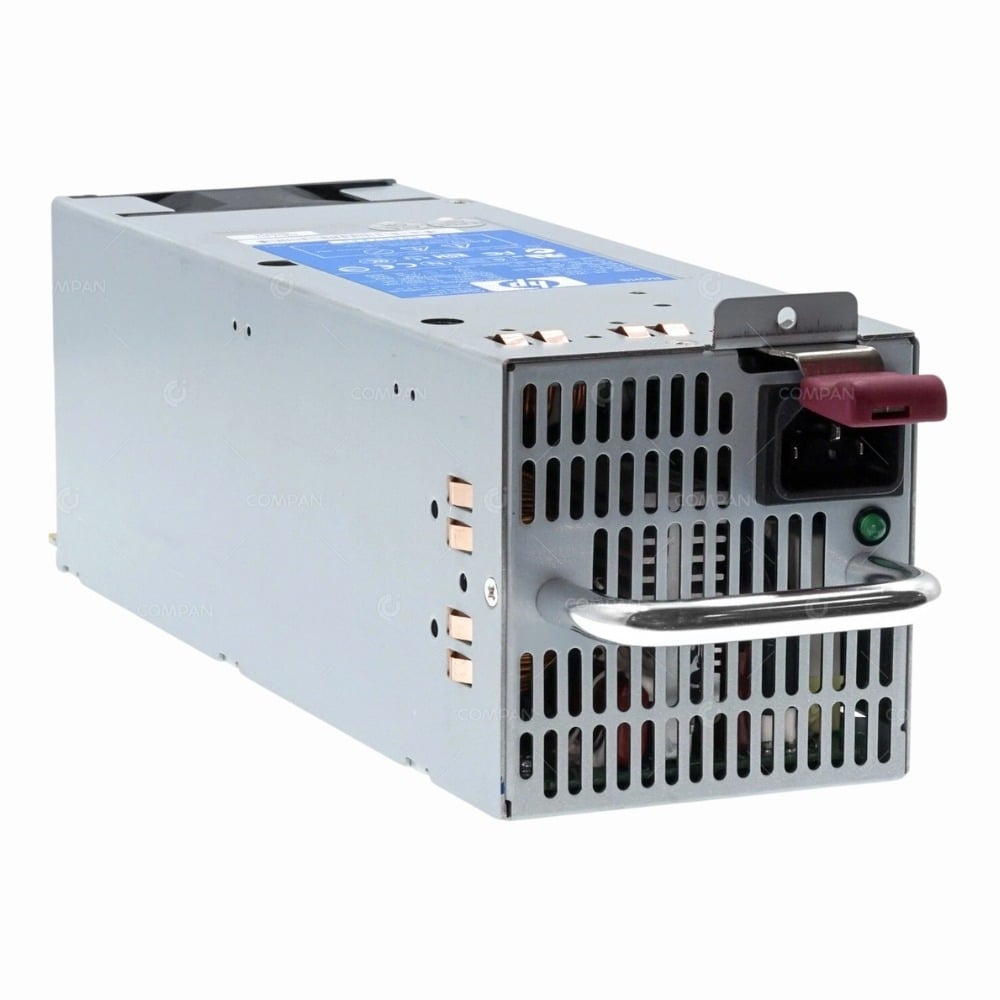
The HP 725-Watts Redundant Power Supply is designed to provide reliable backup power for compatible HP servers, ensuring they stay operational even if one power supply fails. It fits into server setups where continuous power is essential, offering hot-swappable redundancy to support maintenance without disrupting service. |
General Information |
|
|---|---|
| Brand | HP |
| Part Number | 384168-021 |
| Product Type | Server Power Supply |
| Condition | Refurbished |
Physical Characteristics |
|
|---|---|
| Weight | 3.00 |
Product Description |
|---|
This 725-watt redundant power supply is built to keep servers running smoothly by providing steady power and backup redundancy. Often found in data centers and enterprise server environments, it helps maintain uptime by automatically taking over if the main power supply fails. IT professionals and system administrators commonly use it to ensure critical systems stay online. Key Features
This power supply is typically deployed in enterprise server racks where uptime is vital. Its redundancy and hot-swapping features make it a key component in environments that can’t afford downtime. By maintaining stable power delivery, it helps protect data integrity and system reliability during power issues. |
Use Cases |
|---|
The HP 725W Redundant Power Supply is primarily utilized in enterprise and data center environments where maintaining uninterrupted server operation is critical. It benefits IT administrators managing high-availability systems that require fault tolerance and minimal downtime, particularly in virtualization clusters and storage arrays. How It's Used:
By delivering reliable redundancy and hot-swappable capability, this power supply supports operational continuity and scalability in critical IT environments. It helps reduce maintenance windows and enhances system resilience, aligning with the demands of modern enterprise and data center workloads. |
 Shipping Options
 International Delivery
Requires a UPS, FedEx, or DHL account. Customers may arrange pickup from our US warehouse.
 Payment Methods
We accept Visa, Mastercard, AMEX, Discover, and Wire Transfer.
 Purchase Orders
We process purchase orders for government agencies, enterprises, data centers, and SMBs.