

Subscribe To Our Newsletter!
Subscribe to the newsletter to stay up to date with the latest news and most useful
Newsletter
↑
Back to Top



Product Overview |
|---|
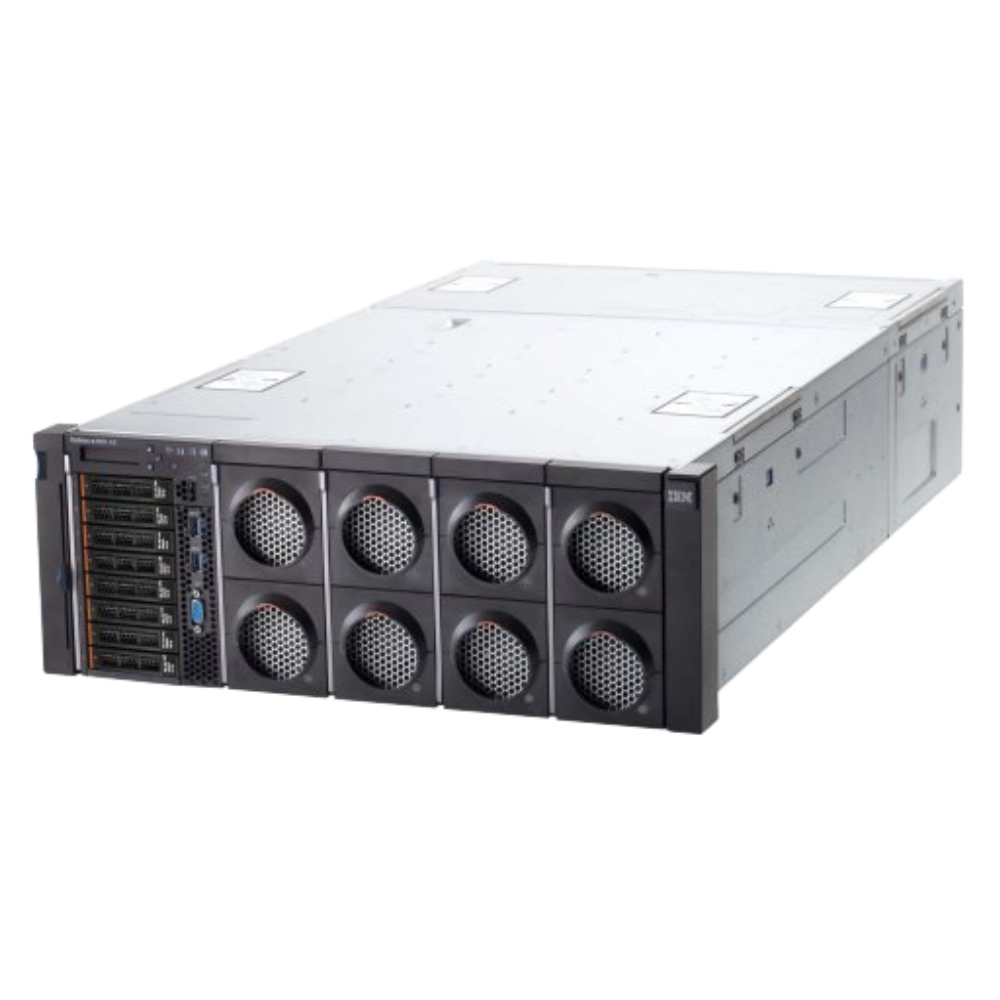
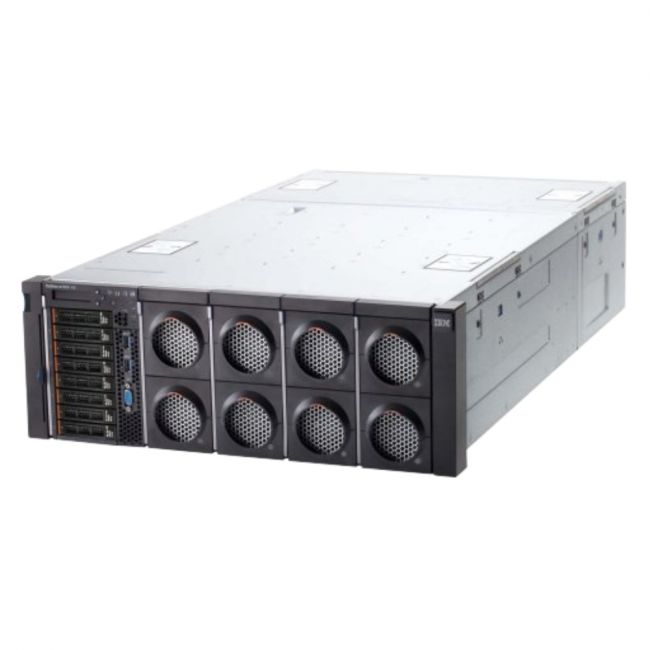
The Lenovo X3850 X6 Dual Compute Books Open Bay Server delivers robust processing capabilities by integrating multiple compute units in a single chassis. It suits settings where scalability and uptime are critical, offering a versatile platform for heavy workloads and large-scale virtualization projects. |
General Information |
|
|---|---|
| Brand | Lenovo |
| Part Number | 3837AC1 |
| Alternate Part Number | 3837AC1-16-LV |
Technical Information |
|
|---|---|
| Memory | Up to 6TB DDR3 ECC (supports RDIMM/LRDIMM) across up to 96 DIMM slots; typical supported speeds: 1600/1333/1066 MHz |
| Processor | Supports up to 4x Intel Xeon E7 v2 (Ivy Bridge-EX) processors (E7-4800/8800 v2 family), up to 15 cores per socket (models and core counts depend on configuration) |
Physical Characteristics |
|
|---|---|
| Weight | 3.00 |
| Condition | Refurbished |
Miscellaneous |
|
|---|---|
| Assembly Required | Yes |
| Eco Friendly | Yes |
| Compliance Standards | WEEE, RoHS, cURus, CE, FCC, CCC, UL, TUV, cULus, CSA, cUL |
Product Description |
|---|
The Lenovo X3850 X6 with Dual Compute Books is a high-performance server designed to handle demanding enterprise applications and virtualization tasks. Its open bay design is often found in data centers where flexible storage and scalability are crucial. Built for IT professionals and organizations needing robust processing power and memory bandwidth, this server can efficiently support complex workloads. Key Features
This server is typically deployed in environments like enterprise data centers, cloud infrastructures, and research institutions. Its modular design helps reduce downtime while meeting the growing demands for processing and storage without compromising on availability. |
Use Cases |
|---|
The Lenovo X3850 X6 server is ideal for IT environments seeking powerful and adaptable computing solutions. How It's Used:
This server enables organizations to efficiently manage complex computing demands while maintaining flexibility and uptime. |
 Shipping Options
 International Delivery
Requires a UPS, FedEx, or DHL account. Customers may arrange pickup from our US warehouse.
International Delivery
Requires a UPS, FedEx, or DHL account. Customers may arrange pickup from our US warehouse.
 Payment Methods
We accept Visa, Mastercard, AMEX, Discover, and Wire Transfer.
Payment Methods
We accept Visa, Mastercard, AMEX, Discover, and Wire Transfer.
 Purchase Orders
We process purchase orders for government agencies, enterprises, data centers, and SMBs.
Purchase Orders
We process purchase orders for government agencies, enterprises, data centers, and SMBs.