

Subscribe To Our Newsletter!
Subscribe to the newsletter to stay up to date with the latest news and most useful
Newsletter
↑
Back to Top



Product Overview |
|---|
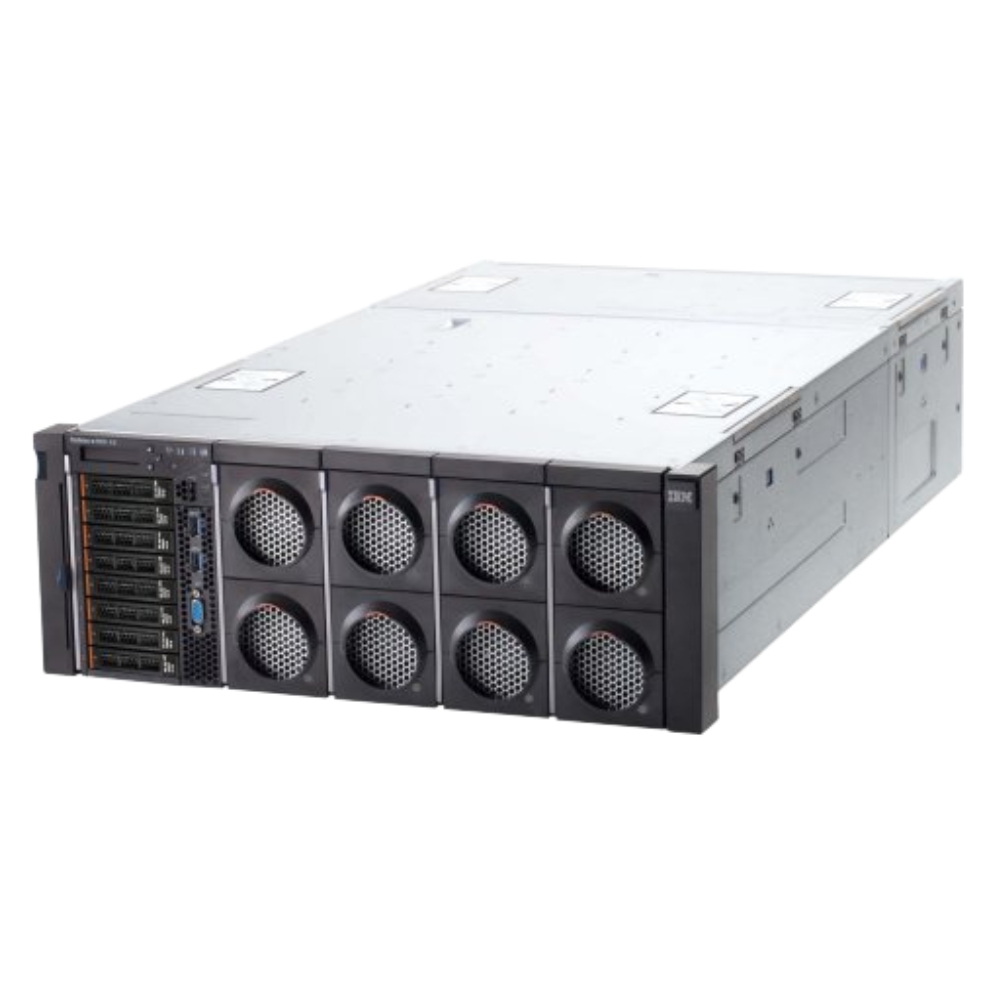
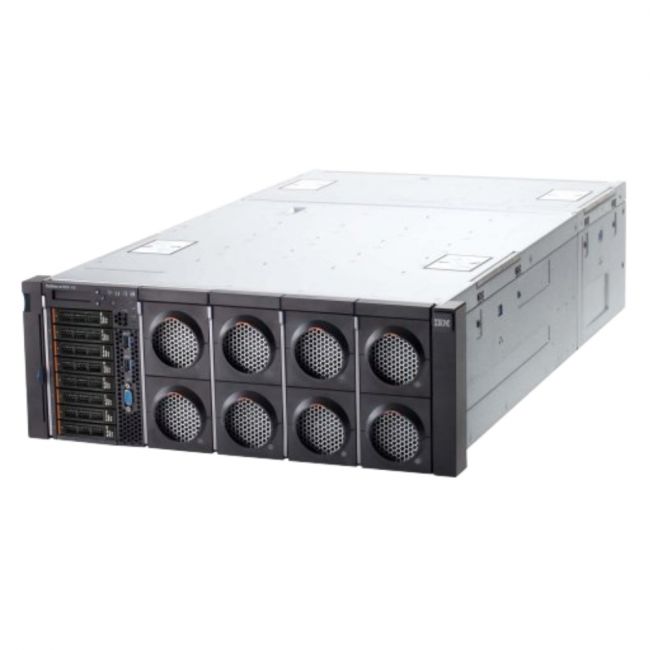
The IBM X3850 X6 Dual Compute Book Open Bay Server merges two powerful compute nodes into a single chassis, providing a flexible and scalable solution for enterprise workloads. Its open bay design supports varied storage and expansion configurations, fitting well in data centers requiring both performance and adaptability. |
General Information |
|
|---|---|
| Brand | IBM |
| Part Number | 3837-AC1 |
| Alternate Part Number | 3837-AC1-06-CT |
Physical Characteristics |
|
|---|---|
| Weight | 3.00 |
| Condition | Refurbished |
Miscellaneous |
|
|---|---|
| Assembly Required | Yes |
| Eco Friendly | Yes |
| Compliance Standards | WEEE, RoHS, cURus, CE, FCC, CCC, UL, TUV, cULus, CSA, cUL |
Product Description |
|---|
The IBM X3850 X6 Dual Compute Book Open Bay Server is built for demanding enterprise environments where powerful computing and scalability are essential. It combines two independent compute nodes into one chassis, making it a space-efficient choice for data centers that require high processing capacity without increasing rack space. Often found in large-scale data processing, virtualization, and mission-critical applications, this server is designed to handle heavy workloads. IT professionals and system administrators who manage complex computing tasks benefit most from its performance and flexibility. Key Features
This server is typically deployed in environments where data density and uptime are priorities, such as financial services, healthcare, and large enterprises. Its design helps organizations optimize rack usage while maintaining the performance needed for complex computations and data handling. |
Use Cases |
|---|
The 3837-AC1 is suited for environments requiring robust and scalable server capabilities. How It's Used:
By integrating this dual compute book module, organizations can effectively increase their processing power while maintaining the flexibility and reliability expected in mission-critical IT operations. |
 Shipping Options
 International Delivery
Requires a UPS, FedEx, or DHL account. Customers may arrange pickup from our US warehouse.
International Delivery
Requires a UPS, FedEx, or DHL account. Customers may arrange pickup from our US warehouse.
 Payment Methods
We accept Visa, Mastercard, AMEX, Discover, and Wire Transfer.
Payment Methods
We accept Visa, Mastercard, AMEX, Discover, and Wire Transfer.
 Purchase Orders
We process purchase orders for government agencies, enterprises, data centers, and SMBs.
Purchase Orders
We process purchase orders for government agencies, enterprises, data centers, and SMBs.