

Subscribe To Our Newsletter!
Subscribe to the newsletter to stay up to date with the latest news and most useful
Newsletter
↑
Back to Top



Product Overview |
|---|
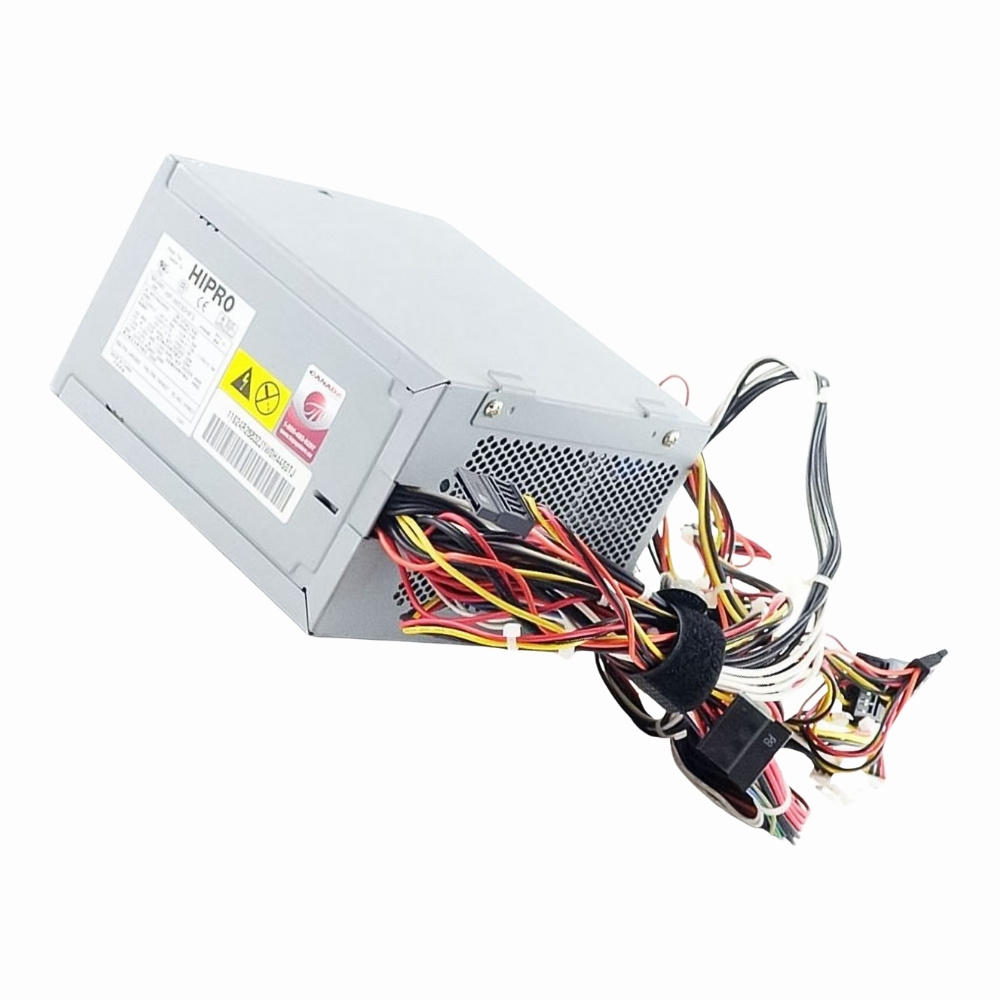
The IBM Power Supply Filler Panel for Netfinity 6000R fills unused power supply slots to ensure proper airflow within the server chassis. It is a straightforward replacement piece that supports maintaining the server's cooling efficiency and protects internal parts from dust, fitting seamlessly into the existing rack setup. |
General Information |
|
|---|---|
| Brand | IBM |
| Part Number | 37L0331 |
| Product Type | Server Power Supply |
Physical Characteristics |
|
|---|---|
| Weight | 3.00 |
| Condition | Refurbished |
Product Description |
|---|
This IBM Power Supply Filler Panel is designed to fit into IBM Netfinity 6000R servers, filling the space left by a removed or faulty power supply. It helps maintain the internal airflow of the server, preventing overheating by directing air through the proper channels. Often found in data centers or IT environments managing IBM Netfinity 6000R systems, it is essential for technicians and IT professionals looking to keep server hardware operating efficiently. This filler panel is built to replace missing components and protect the server's internal components from dust and debris. Key Features
Typically, this filler panel is deployed in enterprise server racks where IBM Netfinity 6000R machines operate. It plays a vital role in preserving the hardware's temperature balance and preventing damage caused by improper airflow. |
Use Cases |
|---|
The IBM Power Supply Filler Panel for Netfinity 6000R is primarily utilized in enterprise and data center environments where maintaining optimal airflow within server chassis is critical. IT administrators and infrastructure engineers benefit from this component in scenarios requiring the replacement of missing or damaged filler panels to uphold thermal performance and equipment longevity. How It's Used:
By securing unused power supply slots, this filler panel supports continuous airflow management, aiding in thermal regulation and system stability. It enables scalable server configurations without compromising on cooling integrity, which is vital for maintaining performance and reducing hardware failure risks in demanding IT environments. |
 Shipping Options
 International Delivery
Requires a UPS, FedEx, or DHL account. Customers may arrange pickup from our US warehouse.
International Delivery
Requires a UPS, FedEx, or DHL account. Customers may arrange pickup from our US warehouse.
 Payment Methods
We accept Visa, Mastercard, AMEX, Discover, and Wire Transfer.
Payment Methods
We accept Visa, Mastercard, AMEX, Discover, and Wire Transfer.
 Purchase Orders
We process purchase orders for government agencies, enterprises, data centers, and SMBs.
Purchase Orders
We process purchase orders for government agencies, enterprises, data centers, and SMBs.