

Subscribe To Our Newsletter!
Subscribe to the newsletter to stay up to date with the latest news and most useful
Newsletter
↑
Back to Top



Product Overview |
|---|
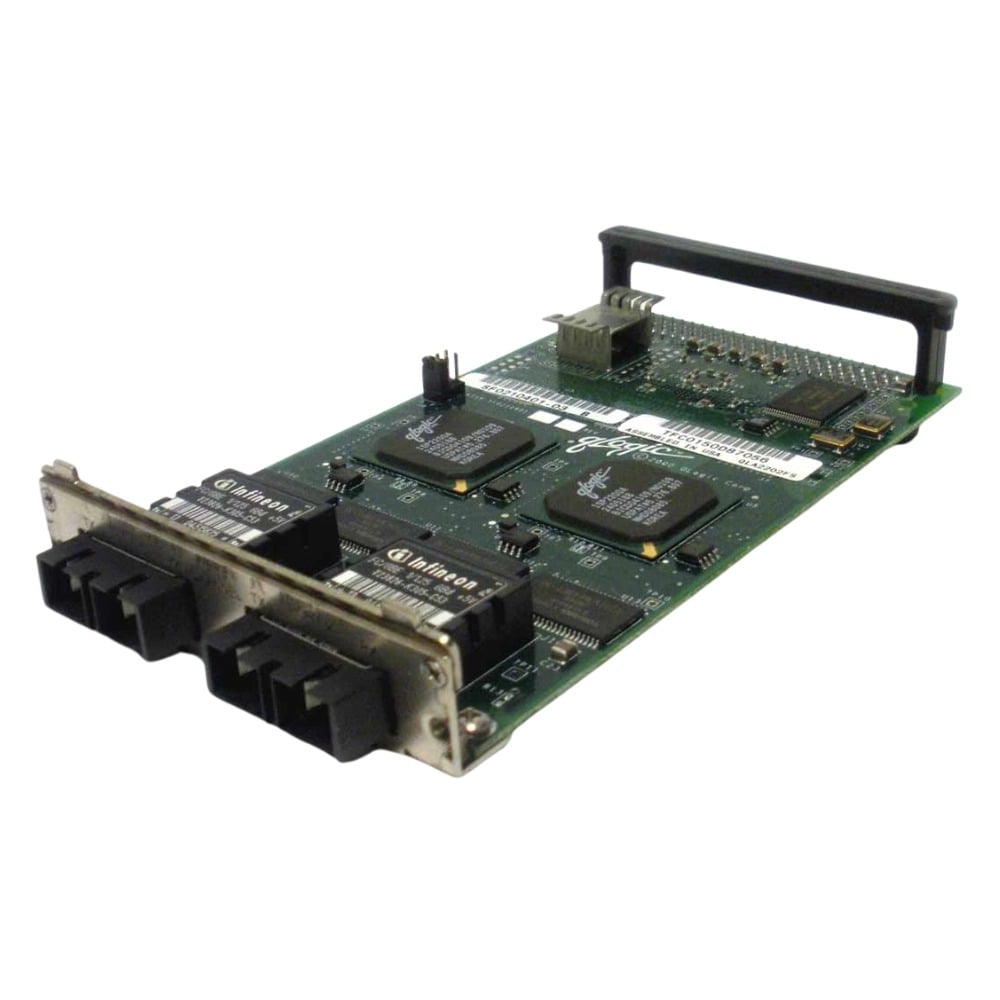
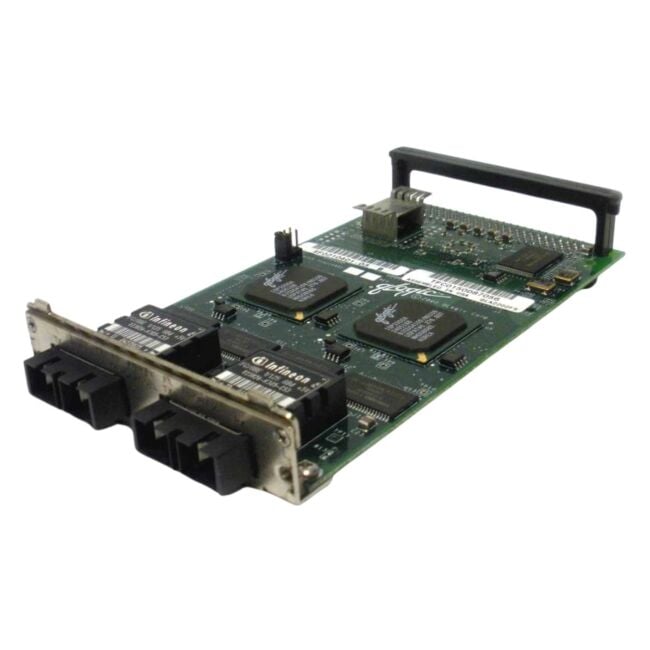
The 375-3048 Dual Fiber-Channel SBus Network Adapter facilitates high-speed fiber-channel connections within Sun Microsystems hardware. It fits into the SBus architecture to link servers with storage networks, supporting critical data transfer tasks without adding unnecessary complexity. |
General Information |
|
|---|---|
| Brand | Sun Microsystems |
Technical Information |
|
|---|---|
| Protocol | Fibre Channel (FC) |
| Port Count | 2-Port (Dual) |
| Generation | N/A |
| Network Topology | Arbitrated Loop |
| Bracket Height | Internal/Mezzanine |
Advanced Features & Compatibility |
|
|---|---|
| OS Compatibility | Solaris |
Physical Characteristics |
|
|---|---|
| Form Factor | SBus |
| Weight | 3.00 |
| Condition | Refurbished |
Miscellaneous |
|
|---|---|
| Assembly Required | No |
Product Description |
|---|
The 375-3048 Dual Fiber-Channel SBus Network Adapter is built to provide robust fiber-channel connectivity within Sun Microsystems systems. It is often found in setups where fast, reliable communication between servers and storage devices is critical. IT professionals and network administrators benefit from this adapter's ability to facilitate smooth data flow across storage networks. Key Features
This network adapter plays a vital role in ensuring dependable communication between hardware components, especially in storage-centric architectures. Its stable performance and compatibility help maintain operational continuity in demanding IT environments. |
Use Cases |
|---|
The 375-3048 adapter is typically deployed in enterprise data centers and storage clusters where Sun Microsystems equipment is in use. It suits environments requiring dependable fiber-channel connectivity to manage substantial data loads and support virtualization or database operations. How It's Used:
This adapter contributes to network efficiency and scalability by delivering consistent fiber-channel performance. It helps maintain stable data transfer rates and supports the expansion of storage infrastructures as organizational needs grow. |
 Shipping Options
 International Delivery
Requires a UPS, FedEx, or DHL account. Customers may arrange pickup from our US warehouse.
 Payment Methods
We accept Visa, Mastercard, AMEX, Discover, and Wire Transfer.
 Purchase Orders
We process purchase orders for government agencies, enterprises, data centers, and SMBs.