

Subscribe To Our Newsletter!
Subscribe to the newsletter to stay up to date with the latest news and most useful
Newsletter
↑
Back to Top



Product Overview |
|---|
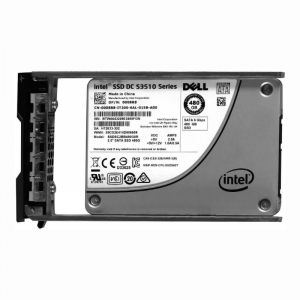
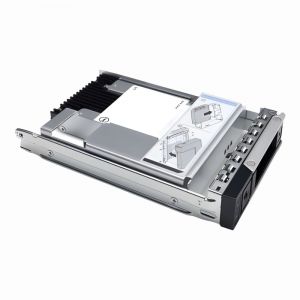
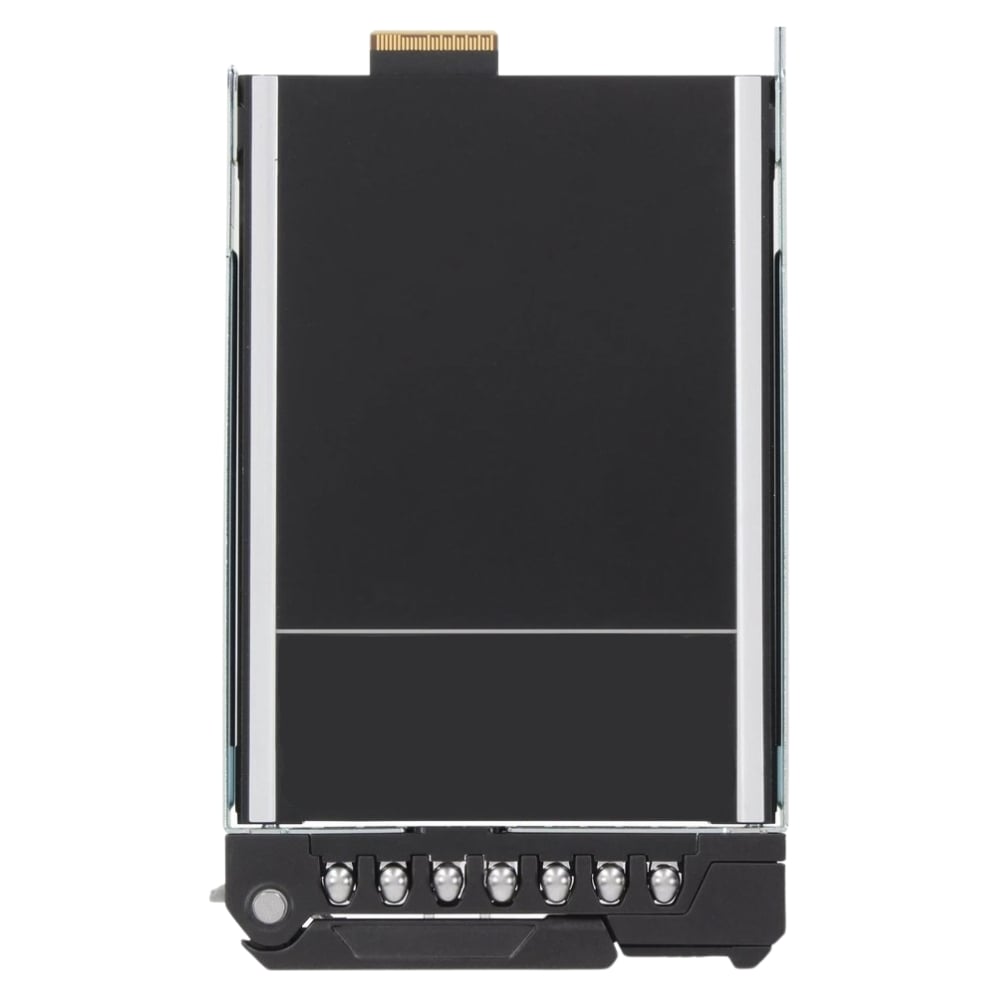
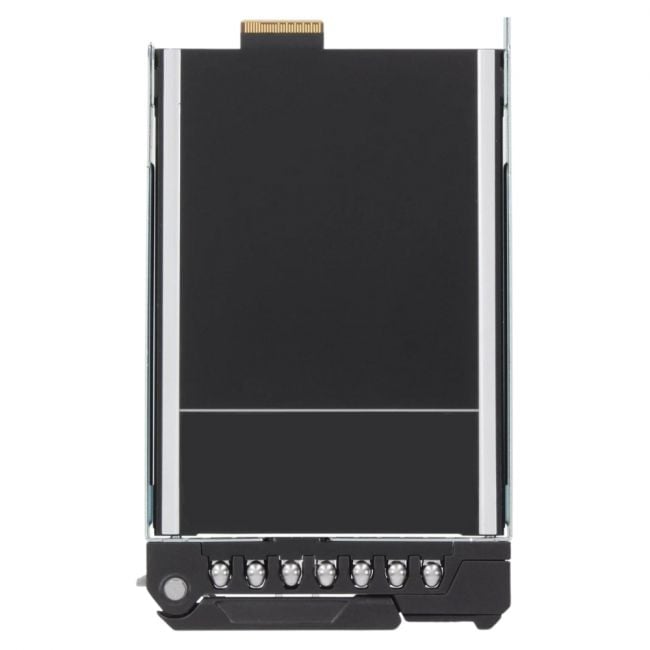
The Dell 3.84TB PCIe 5.0 x4 NVMe E3.S 2.5" Read-Intensive SSD provides significant storage capacity with a cutting-edge PCIe 5.0 x4 interface designed for rapid data access. Its E3.S 2.5" form factor is tailored for integration in server and data center environments where read-intensive operations are predominant. |
General Information |
|
|---|---|
| Brand | Dell |
Technical Information |
|
|---|---|
| Capacity | 3.84TB |
| Form Factor | E3.S |
| Interface | PCIe Gen 5.0 x4 |
| Hot Swappable | Yes |
| Hot Pluggable | Yes |
Physical Characteristics |
|
|---|---|
| Weight | 0.60 |
| Condition | Refurbished |
Product Description |
|---|
The Dell 3.84TB PCIe 5.0 x4 NVMe E3.S 2.5" Read-Intensive SSD is a solid-state drive designed to provide substantial storage capacity optimized for read-heavy applications. Its PCIe 5.0 interface offers enhanced bandwidth through a x4 lane configuration, facilitating faster data access and transfer rates. This SSD fits into the E3.S 2.5" form factor, commonly used in data center servers and enterprise storage systems requiring compact, efficient storage solutions. It is primarily targeted at IT professionals and system integrators who manage workloads involving frequent data reads. Key Features
This SSD serves an important role in environments where read performance is critical, such as databases, content delivery, and data analytics. It supports the operational needs of systems that prioritize read operations while maintaining a compact and standardized form factor. |
Use Cases |
|---|
This SSD is typically deployed in enterprise data centers and server environments that require high-capacity storage optimized for workloads with heavy read demands. It is suitable for use cases involving large-scale data analytics, content delivery networks, and database applications. How It's Used:
In these scenarios, the SSD contributes to efficient data throughput and responsiveness, addressing the specific needs of read-centric operations without unnecessary write performance overhead. |
FAQ's |
|---|
|
 Shipping Options
 International Delivery
Requires a UPS, FedEx, or DHL account. Customers may arrange pickup from our US warehouse.
International Delivery
Requires a UPS, FedEx, or DHL account. Customers may arrange pickup from our US warehouse.
 Payment Methods
We accept Visa, Mastercard, AMEX, Discover, and Wire Transfer.
Payment Methods
We accept Visa, Mastercard, AMEX, Discover, and Wire Transfer.
 Purchase Orders
We process purchase orders for government agencies, enterprises, data centers, and SMBs.
Purchase Orders
We process purchase orders for government agencies, enterprises, data centers, and SMBs.