

Subscribe To Our Newsletter!
Subscribe to the newsletter to stay up to date with the latest news and most useful
Newsletter
↑
Back to Top



Product Overview |
|---|
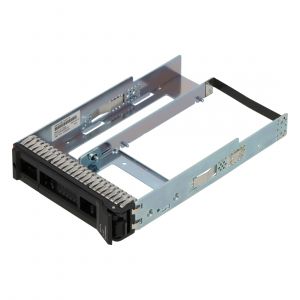
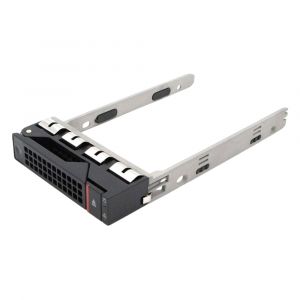
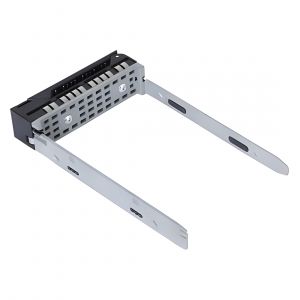
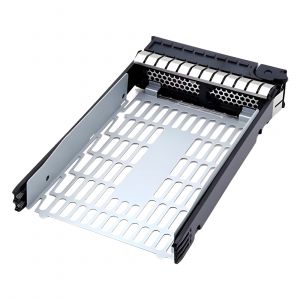
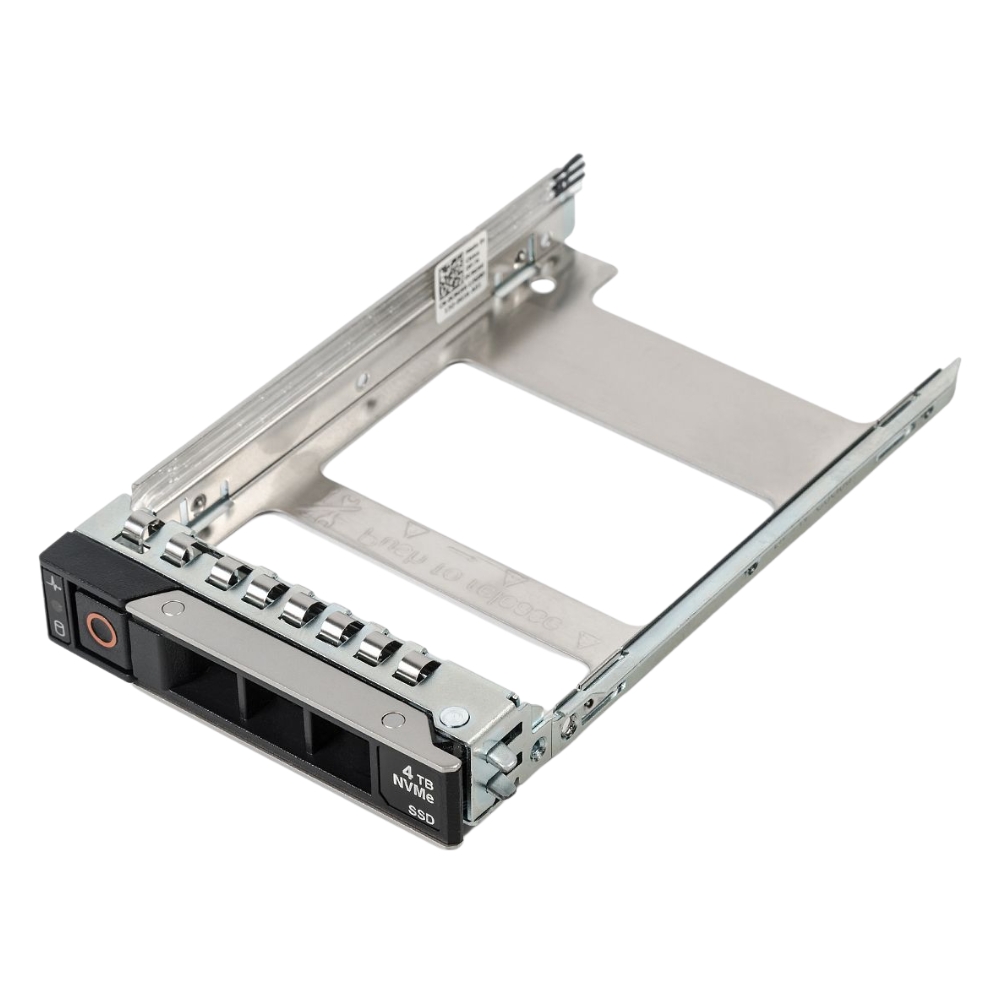
The 345-BLCV Dell NVMe Gen4 x4 U.2 SSD Tray Kit is a hardware component designed to hold and connect U.2 NVMe SSDs within Dell systems. It enables the use of PCIe Gen4 x4 SSDs by providing a compatible mounting tray that fits securely in server or storage chassis, facilitating efficient data transfer and straightforward installation. |
General Information |
|
|---|---|
| Brand | Dell |
Technical Information |
|
|---|---|
| Series | NVMe Gen4 x4 |
| product type | Drive Tray Kit |
| Product Category | Drive Trays & Caddies |
| Compatibility | U.2 NVMe SSDs, Dell PowerEdge servers with U.2 drive bays |
Miscellaneous |
|
|---|---|
| Assembly Required | No |
Physical Characteristics |
|
|---|---|
| Form Factor | U.2 (2.5-inch) |
| Weight | 3.00 |
| Condition | Refurbished |
Product Description |
|---|
The 345-BLCV Dell NVMe Gen4 x4 U.2 SSD Tray Kit provides the necessary hardware to securely mount and connect U.2 NVMe SSDs within compatible Dell systems. It is commonly used in enterprise storage and server environments where NVMe SSDs are deployed for enhanced data throughput. This tray kit is intended for IT professionals managing Dell-based storage servers or workstations requiring U.2 SSD integration. Key Features
The kit plays a fundamental role in maintaining proper SSD placement and connection integrity, thereby supporting system reliability and data access efficiency. It also simplifies SSD deployment and replacement tasks in server infrastructures. |
Use Cases |
|---|
This tray kit is typically used in data center and enterprise environments where Dell servers or storage arrays deploy NVMe Gen4 x4 U.2 SSDs. It supports workloads requiring consistent high-speed storage access, such as virtualization, database hosting, and large-scale file storage. How It's Used:
By providing a secure and compatible mounting solution, the tray kit aids in maintaining hardware stability and connection integrity. It simplifies hardware management in complex server deployments and ensures proper SSD alignment for optimal performance within Dell systems. |
FAQ's |
|---|
|
 Shipping Options
 International Delivery
Requires a UPS, FedEx, or DHL account. Customers may arrange pickup from our US warehouse.
 Payment Methods
We accept Visa, Mastercard, AMEX, Discover, and Wire Transfer.
 Purchase Orders
We process purchase orders for government agencies, enterprises, data centers, and SMBs.