

Subscribe To Our Newsletter!
Subscribe to the newsletter to stay up to date with the latest news and most useful
Newsletter
↑
Back to Top



Product Overview |
|---|
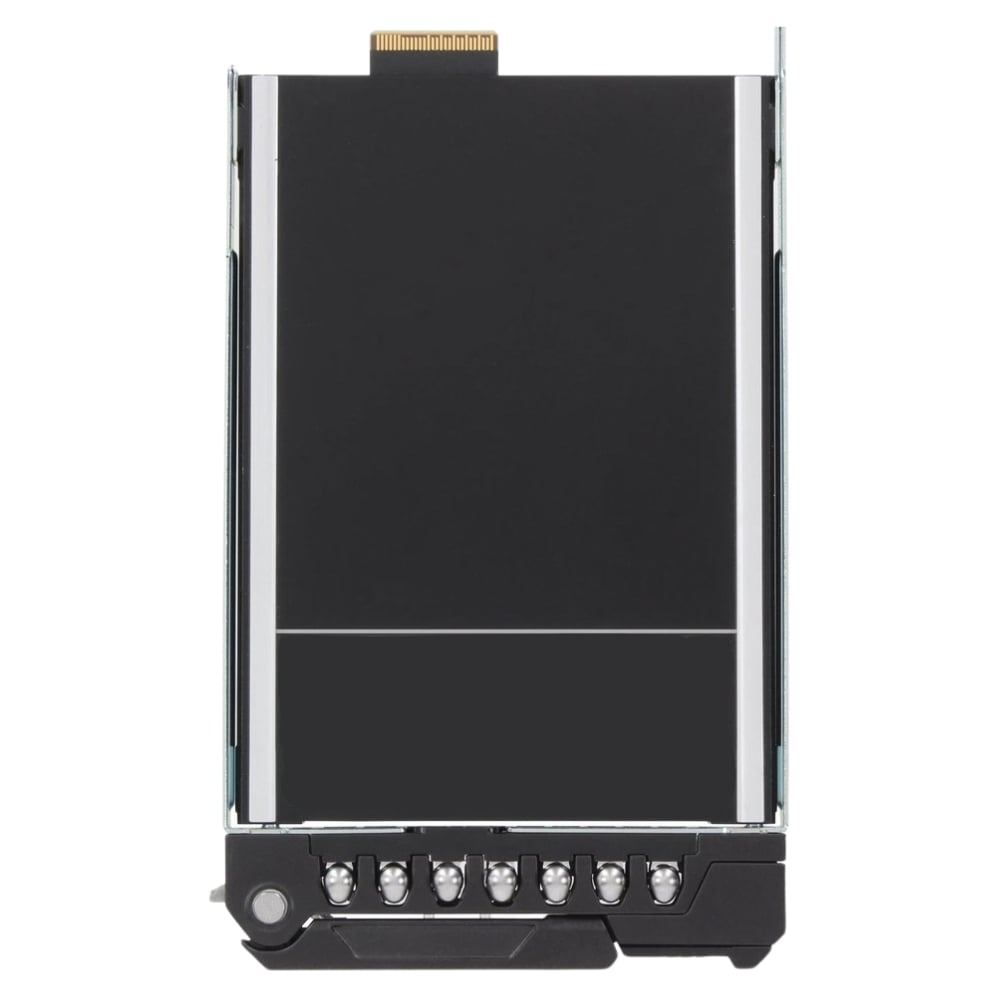
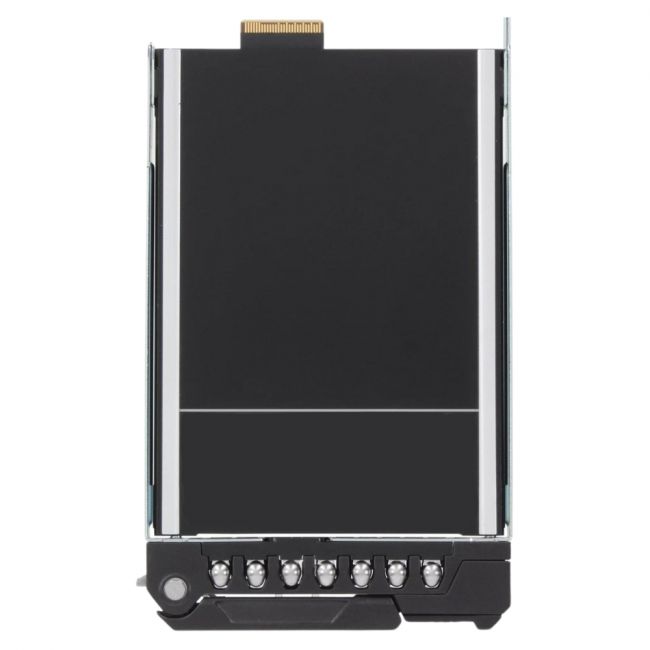
Dell's 15.36TB NVMe solid-state drive leverages PCIe Gen5 architecture to deliver superior read performance across large data sets, with the E3.S form factor enabling denser server deployments and better thermal characteristics for high-density computing environments. |
General Information |
|
|---|---|
| Brand | Dell |
| Part Number | 345-BKBD |
Technical Information |
|
|---|---|
| Capacity | 15.36TB |
| Memory Technology | Triple-Level Cell (TLC) |
| Form Factor | E3.S |
| Interface | PCIe Gen 5.0 x4 |
Physical Characteristics |
|
|---|---|
| Weight | 0.60 |
| Condition | Refurbished |
Product Description |
|---|
The Dell 15.36TB NVMe SSD delivers high-capacity storage built for demanding read-intensive enterprise environments. Powered by PCIe Gen5 technology, it provides substantially increased bandwidth compared to prior generations, enabling faster data access for data-heavy applications and virtualized infrastructure. Engineered in the E3.S form factor, this drive supports modern server designs with improved thermal efficiency and higher storage density per rack unit. Triple-Level Cell NAND ensures reliable performance for workloads that prioritize read operations over sustained writes, making it ideal for content delivery, data analytics, and cloud storage platforms. Key Features
This SSD integrates seamlessly into Dell PowerEdge servers and compatible platforms, providing enterprise-grade reliability and operational continuity for data centers requiring high-capacity, high-performance storage without sacrificing endurance or manageability. |
Use Cases |
|---|
This drive is typically deployed in hyperscale data centers, cloud service provider infrastructure, and enterprise storage systems where high-capacity read performance is critical. Environments running virtualization platforms, big data analytics, content streaming, and large-scale database operations benefit most from its high-density, low-latency storage capabilities. How It's Used:
Organizations leverage this drive to achieve greater storage density per server node, reducing footprint and power consumption while maintaining the throughput needed for modern read-heavy workloads. |
 Shipping Options
 International Delivery
Requires a UPS, FedEx, or DHL account. Customers may arrange pickup from our US warehouse.
International Delivery
Requires a UPS, FedEx, or DHL account. Customers may arrange pickup from our US warehouse.
 Payment Methods
We accept Visa, Mastercard, AMEX, Discover, and Wire Transfer.
Payment Methods
We accept Visa, Mastercard, AMEX, Discover, and Wire Transfer.
 Purchase Orders
We process purchase orders for government agencies, enterprises, data centers, and SMBs.
Purchase Orders
We process purchase orders for government agencies, enterprises, data centers, and SMBs.