

Subscribe To Our Newsletter!
Subscribe to the newsletter to stay up to date with the latest news and most useful
Newsletter
↑
Back to Top



Product Overview |
|---|
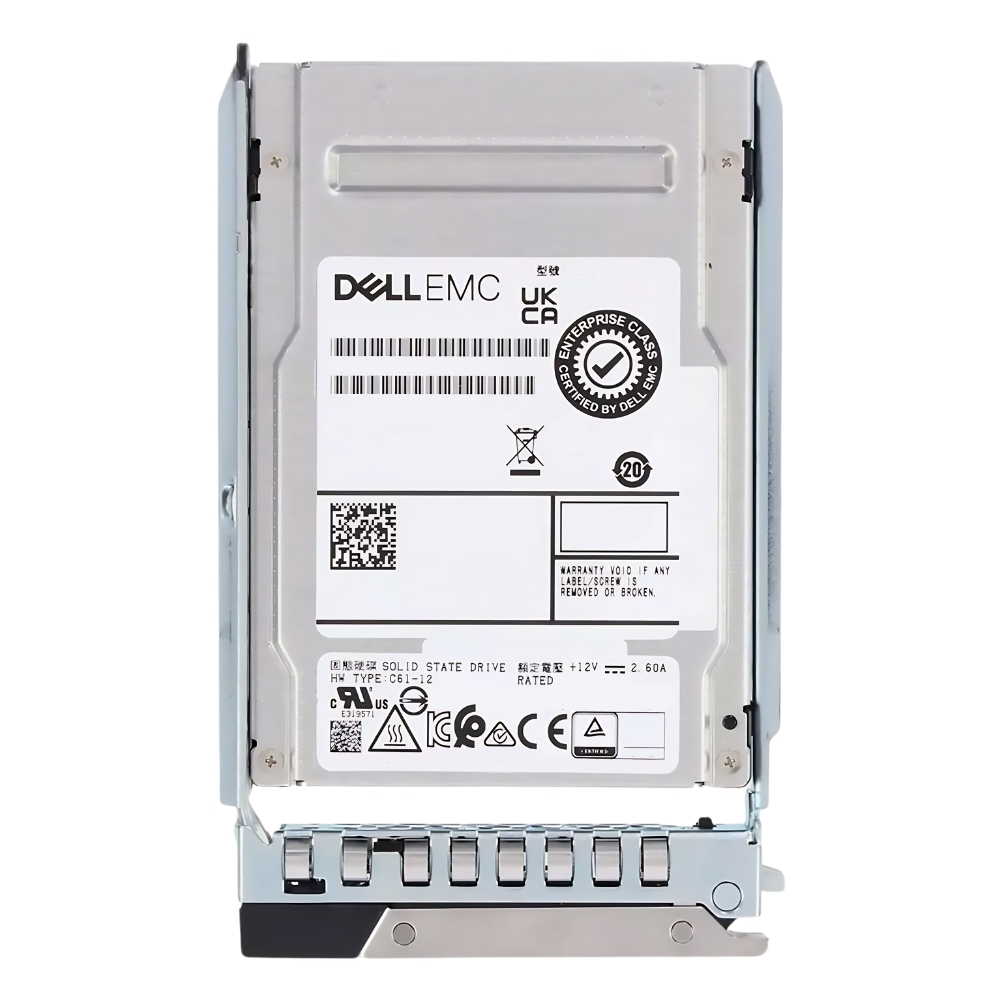
The 345-BJWC Dell 960GB NVMe PCIe Gen4 x4 U.2 2.5-inch Read Intensive SSD offers high-capacity storage with advanced PCIe Gen4 interface, designed specifically for read-heavy applications requiring fast data access and consistent performance. |
General Information |
|
|---|---|
| Brand | Dell |
| Part Number | 345-BJWC |
Technical Information |
|
|---|---|
| Capacity | 960GB |
| Form Factor | 2.5-inch |
| Interface | PCIe Gen 4.0 x4 |
Physical Characteristics |
|
|---|---|
| Weight | 0.60 |
| Condition | Refurbished |
Product Description |
|---|
This Dell 960GB NVMe SSD delivers high-performance storage for enterprise servers and data centers requiring fast read capabilities. Built on PCIe Gen4 technology, it offers significantly faster data access compared to traditional SATA-based drives, making it ideal for virtualization environments, database applications, and content delivery systems. The U.2 2.5-inch form factor with integrated carrier enables straightforward installation in compatible Dell PowerEdge servers and storage arrays. Hot-plug support allows for maintenance and upgrades without system downtime, improving operational continuity in critical infrastructure deployments. Key Features
The drive integrates with Dell's ecosystem management tools, supporting monitoring and lifecycle management through iDRAC and OpenManage systems. This enables IT teams to maintain visibility into drive health, firmware status, and storage performance metrics across enterprise deployments. |
Use Cases |
|---|
This SSD targets enterprise environments running virtualized server infrastructures, cloud computing platforms, and data-intensive applications that demand consistent read performance and high storage throughput. How It's Used:
In these scenarios, the combination of NVMe performance, hot-plug capability, and enterprise reliability ensures operational efficiency while supporting scalable infrastructure growth as workloads increase. |
 Shipping Options
 International Delivery
Requires a UPS, FedEx, or DHL account. Customers may arrange pickup from our US warehouse.
International Delivery
Requires a UPS, FedEx, or DHL account. Customers may arrange pickup from our US warehouse.
 Payment Methods
We accept Visa, Mastercard, AMEX, Discover, and Wire Transfer.
Payment Methods
We accept Visa, Mastercard, AMEX, Discover, and Wire Transfer.
 Purchase Orders
We process purchase orders for government agencies, enterprises, data centers, and SMBs.
Purchase Orders
We process purchase orders for government agencies, enterprises, data centers, and SMBs.