

Subscribe To Our Newsletter!
Subscribe to the newsletter to stay up to date with the latest news and most useful
Newsletter
↑
Back to Top



Product Overview |
|---|
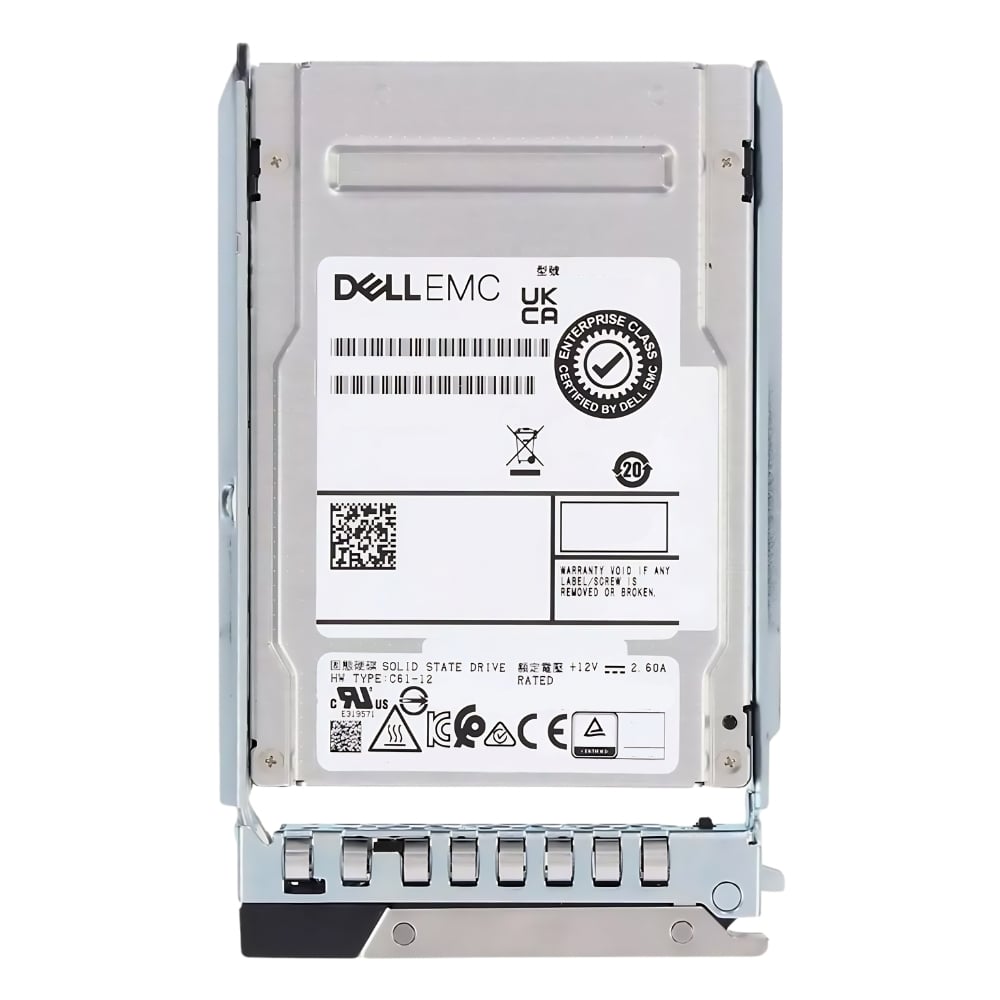
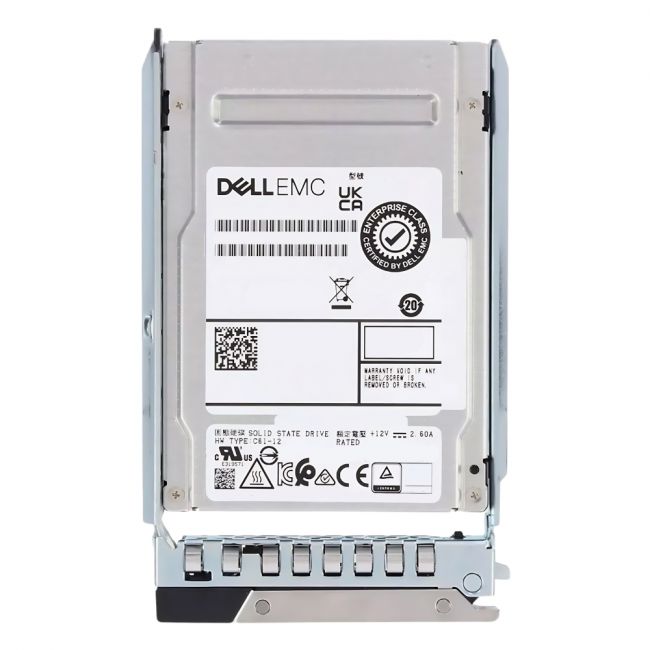
The 345-BJJZ Dell 7.68TB NVMe PCIe Gen4 x4 U.2 2.5-inch Read Intensive SSD offers a high-capacity, low-latency storage solution designed specifically for read-heavy enterprise workloads, featuring PCIe Gen4 interface speeds and a U.2 form factor for broad hardware compatibility. |
General Information |
|
|---|---|
| Brand | Dell |
| Part Number | 345-BJJZ |
Technical Information |
|
|---|---|
| Capacity | 7.68TB |
| Form Factor | 2.5-inch |
| Interface | PCIe Gen 4.0 x4 |
Physical Characteristics |
|
|---|---|
| Weight | 0.60 |
| Condition | Refurbished |
Product Description |
|---|
Dell's 7.68TB NVMe PCIe Gen4 x4 U.2 solid-state drive delivers exceptional storage performance for read-intensive enterprise applications. Built on the NVMe architecture, this drive leverages PCIe Gen4 technology to provide dramatic improvements in bandwidth and latency compared to traditional SATA-based storage solutions. The 2.5-inch U.2 form factor ensures broad compatibility with modern server platforms while enabling hot-swappable maintenance without system downtime. Key Features
The drive's read-intensive design is purpose-built for workloads such as content delivery networks, data warehousing, and large-scale analytics platforms where rapid data retrieval is the primary operation. Dell's rigorous qualification process ensures OEM-level reliability for mission-critical deployments. |
Use Cases |
|---|
Dell 7.68TB NVMe PCIe Gen4 U.2 SSDs are deployed in hyperscale data centers, cloud service provider infrastructure, and enterprise server environments that require high-capacity fast storage for read-heavy workloads. These drives are particularly valuable in virtualized server deployments, big data analytics clusters, and content streaming platforms where rapid data access is critical to performance. How It's Used:
Organizations leverage these drives to achieve higher VM densities per host, faster database query response times, and improved user experience in latency-sensitive applications while maintaining the storage capacity needed for data-intensive operations. |
 Shipping Options
 International Delivery
Requires a UPS, FedEx, or DHL account. Customers may arrange pickup from our US warehouse.
International Delivery
Requires a UPS, FedEx, or DHL account. Customers may arrange pickup from our US warehouse.
 Payment Methods
We accept Visa, Mastercard, AMEX, Discover, and Wire Transfer.
Payment Methods
We accept Visa, Mastercard, AMEX, Discover, and Wire Transfer.
 Purchase Orders
We process purchase orders for government agencies, enterprises, data centers, and SMBs.
Purchase Orders
We process purchase orders for government agencies, enterprises, data centers, and SMBs.