

Subscribe To Our Newsletter!
Subscribe to the newsletter to stay up to date with the latest news and most useful
Newsletter
↑
Back to Top



Product Overview |
|---|
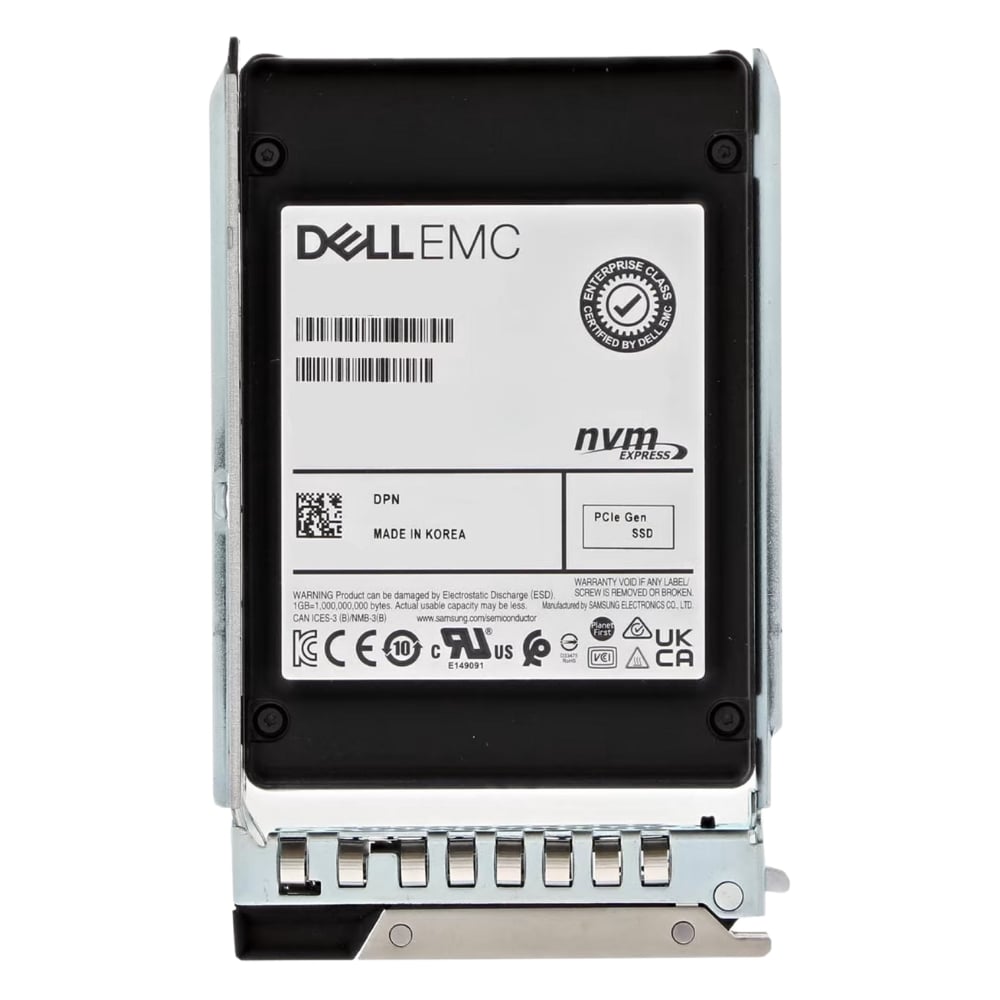
The 345-BJBR Dell 1.92TB NVMe PCIe Gen4 x4 U.2 2.5-inch Read Intensive SSD offers high storage capacity and fast read performance through a PCIe Gen4 interface, designed specifically for demanding read-heavy workloads in enterprise environments. |
General Information |
|
|---|---|
| Brand | Dell |
| Part Number | 345-BJBR |
Technical Information |
|
|---|---|
| Capacity | 1.92TB |
| Form Factor | 2.5-inch |
| Interface | U.2 |
Physical Characteristics |
|
|---|---|
| Weight | 0.60 |
| Condition | Refurbished |
Product Description |
|---|
The Dell 1.92TB NVMe Read Intensive SSD delivers high-performance storage designed for demanding enterprise environments. Built on the PCIe Gen4 x4 interface, this drive provides exceptional throughput and low latency, making it ideal for data centers running modern workloads that require fast, reliable access to large datasets. Engineered for read-intensive operations, this U.2 2.5-inch SSD balances capacity, performance, and endurance to support business-critical applications. The hot-swappable U.2 interface enables seamless maintenance without server downtime, while Dell's enterprise validation ensures compatibility and reliability across PowerEdge server platforms. Key Features
This SSD is an excellent choice for organizations modernizing their infrastructure with high-speed NVMe storage. Whether expanding existing capacity or deploying new Dell PowerEdge servers, the 1.92TB read intensive NVMe drive delivers the performance and reliability required for today's enterprise environments. |
Use Cases |
|---|
Primary deployment scenarios include large-scale virtualization platforms, read-heavy database systems, and high-throughput content delivery infrastructure where consistent low-latency access to data is critical for maintaining service quality. How It's Used:
By integrating these drives into your server infrastructure, organizations achieve measurable improvements in application responsiveness, reduced data access bottlenecks, and the scalability needed to support growing workloads without sacrificing performance consistency. |
 Shipping Options
 International Delivery
Requires a UPS, FedEx, or DHL account. Customers may arrange pickup from our US warehouse.
International Delivery
Requires a UPS, FedEx, or DHL account. Customers may arrange pickup from our US warehouse.
 Payment Methods
We accept Visa, Mastercard, AMEX, Discover, and Wire Transfer.
Payment Methods
We accept Visa, Mastercard, AMEX, Discover, and Wire Transfer.
 Purchase Orders
We process purchase orders for government agencies, enterprises, data centers, and SMBs.
Purchase Orders
We process purchase orders for government agencies, enterprises, data centers, and SMBs.