

Subscribe To Our Newsletter!
Subscribe to the newsletter to stay up to date with the latest news and most useful
Newsletter
↑
Back to Top



Product Overview |
|---|
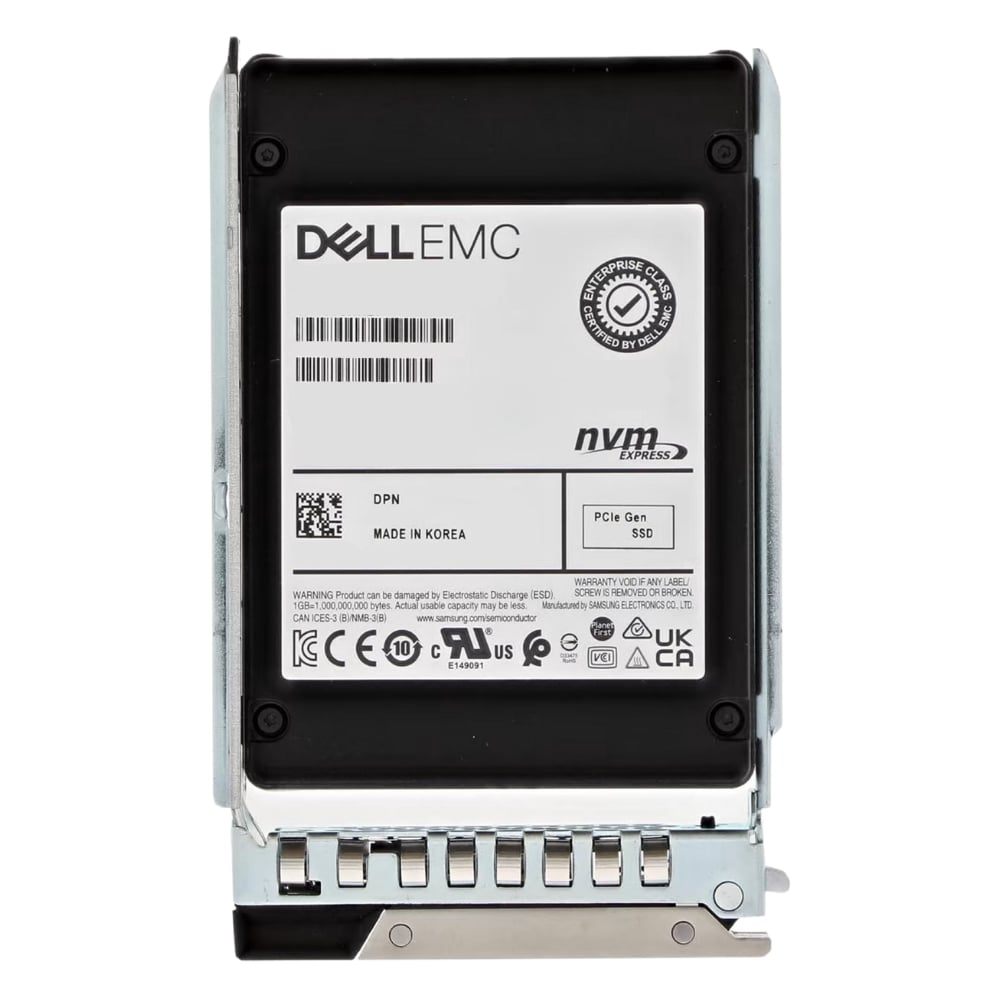
The 345-BJBH Dell SSD features a 3.84TB capacity with NVMe PCIe Gen4 x4 interface, a U.2 2.5-inch form factor, read-intensive workload optimization, and an endurance rating of 1 DWPD, delivering high-speed, reliable storage for enterprise applications. |
General Information |
|
|---|---|
| Brand | Dell |
| Part Number | 345-BJBH |
Technical Information |
|
|---|---|
| Capacity | 3.84TB |
| Form Factor | 2.5-inch |
| Interface | U.2 |
Physical Characteristics |
|
|---|---|
| Weight | 0.60 |
| Condition | Refurbished |
Product Description |
|---|
This Dell solid-state drive delivers enterprise-grade storage performance with 3.84TB of capacity built on NVMe technology. The PCIe Gen4 x4 interface maximizes bandwidth utilization, enabling rapid data throughput for read-heavy workloads in modern data center infrastructure. Its U.2 hot-swappable form factor allows for seamless installation and maintenance without system downtime. The drive is engineered specifically for read-intensive applications, featuring a 1 drive write per day endurance rating that ensures long-term reliability in continuous operation scenarios. This makes it an ideal solution for organizations looking to upgrade from traditional SATA-based storage to faster NVMe performance. Key Features
This SSD provides a compelling upgrade path for legacy storage infrastructure, bringing NVMe performance to servers and storage arrays equipped with U.2 bays. Its balanced specifications make it suitable for a wide range of enterprise applications where read performance and reliability are critical operational requirements. |
Use Cases |
|---|
This SSD is typically deployed in enterprise server and storage array environments where high-speed read access is critical, including database servers, virtualization platforms, and cloud infrastructure. IT administrators managing data center modernization initiatives and organizations running read-heavy workloads benefit most from this storage solution. How It's Used:
Organizations benefit from improved application responsiveness and reduced latency across enterprise workloads, while the hot-swappable design simplifies maintenance cycles and minimizes operational disruption during storage upgrades and replacements. |
 Shipping Options
 International Delivery
Requires a UPS, FedEx, or DHL account. Customers may arrange pickup from our US warehouse.
International Delivery
Requires a UPS, FedEx, or DHL account. Customers may arrange pickup from our US warehouse.
 Payment Methods
We accept Visa, Mastercard, AMEX, Discover, and Wire Transfer.
Payment Methods
We accept Visa, Mastercard, AMEX, Discover, and Wire Transfer.
 Purchase Orders
We process purchase orders for government agencies, enterprises, data centers, and SMBs.
Purchase Orders
We process purchase orders for government agencies, enterprises, data centers, and SMBs.