

Subscribe To Our Newsletter!
Subscribe to the newsletter to stay up to date with the latest news and most useful
Newsletter
↑
Back to Top



Product Overview |
|---|
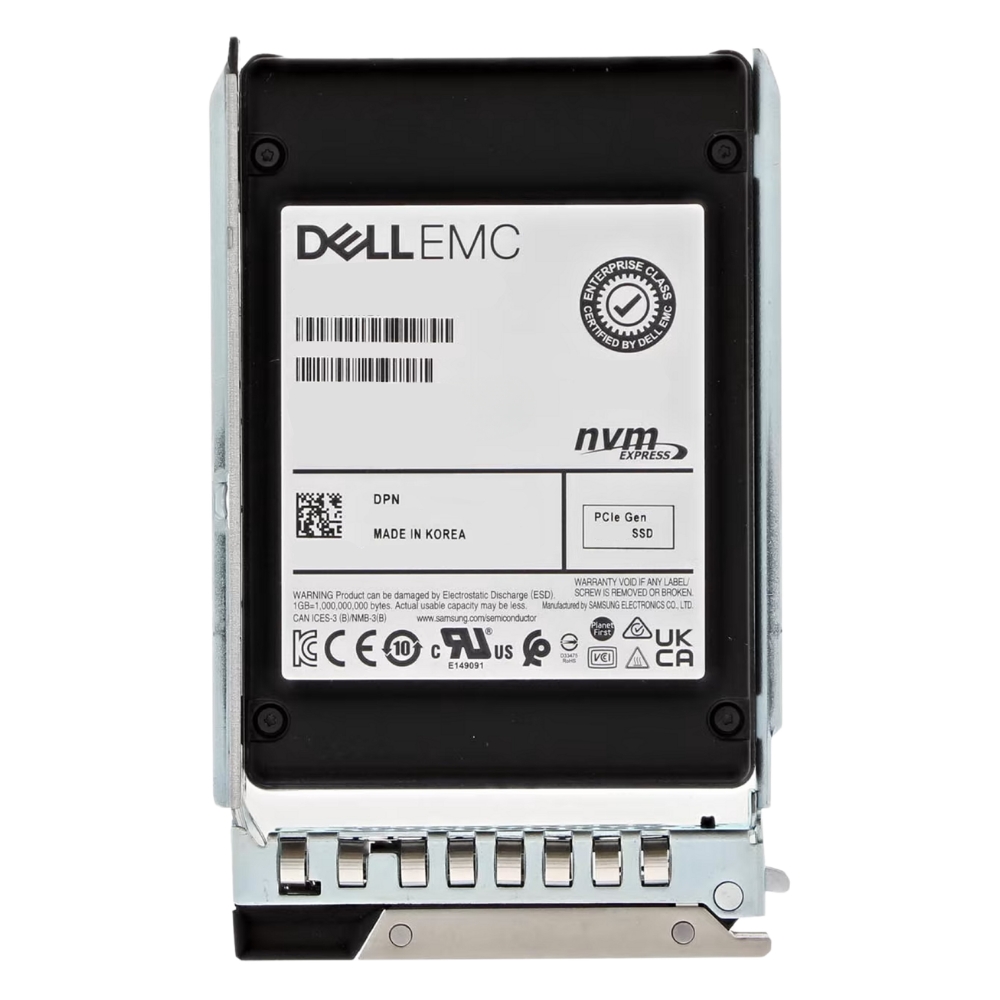
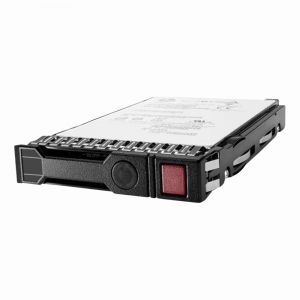
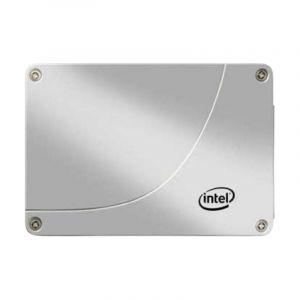
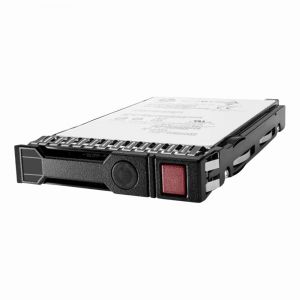
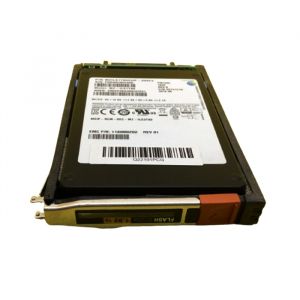
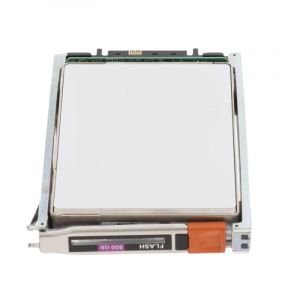
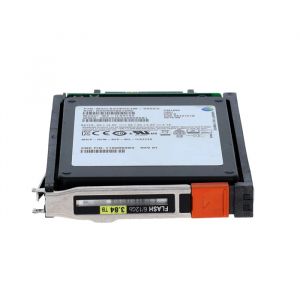
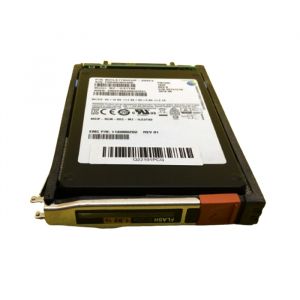
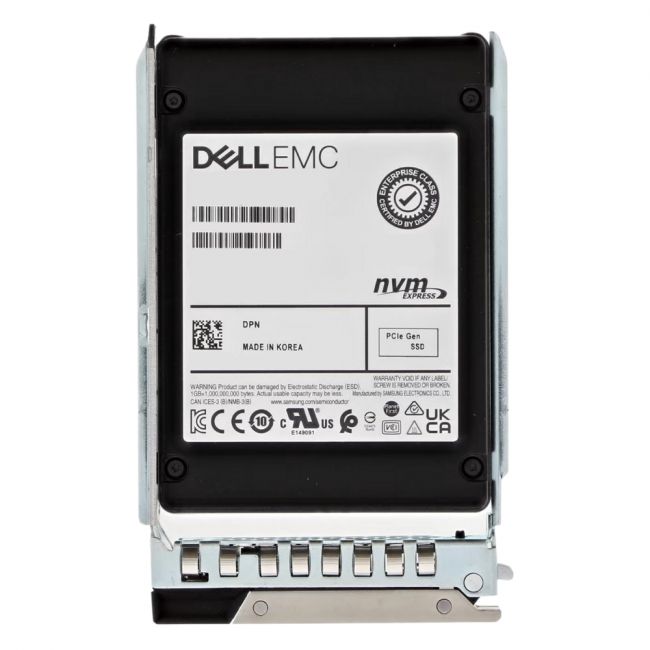
The 345-BHCD Dell 3.84TB SATA 6Gb/s 2.5" Read-Intensive Hot-Plug SSD offers substantial storage capacity with a 3.84TB 2.5-inch form factor. It supports SATA 6Gb/s interfaces, delivers endurance rated at 1 DWPD tailored for read-intensive workloads, and features hot-plug capability for maintenance ease. |
General Information |
|
|---|---|
| Brand | Dell |
Technical Information |
|
|---|---|
| Capacity | 3.84TB |
| Memory Technology | Triple-Level Cell (TLC) |
| Form Factor | 2.5-inch |
| Interface | SATA 6GB/s |
| MTBF | 2000000 hours |
| Hot Swappable | Yes |
| Hot Pluggable | Yes |
Performance |
|
|---|---|
| Endurance (TBW) | 7008 TB |
Physical Characteristics |
|
|---|---|
| Weight | 0.60 |
| Condition | Refurbished |
Product Description |
|---|
The Dell 345-BHCD is a 3.84TB SATA solid-state drive designed for read-intensive applications. Its 2.5-inch form factor and SATA 6Gb/s interface make it suitable for a variety of enterprise storage environments requiring reliable fast read access. This hot-plug SSD supports 1 drive write per day (DWPD), indicating its endurance level tailored for workloads with frequent reads and moderate writes. It is typically deployed in servers and storage arrays where data availability and quick drive replacement are important. Key Features
This drive serves a practical role in environments where consistent read performance and manageable write workloads are required. It enables efficient data access while supporting maintenance workflows through its hot-swap design. |
Use Cases |
|---|
This SSD is typically used in enterprise server environments where read-intensive workloads are common. It fits well in data centers requiring reliable storage with easy drive replacement options. Users managing file servers, content delivery, or archival systems benefit from its endurance and capacity. How It's Used:
The drive plays a key role in balancing capacity and endurance for read-centric storage needs, enabling administrators to maintain system uptime while managing storage resources efficiently. |
FAQ's |
|---|
|
 Shipping Options
 International Delivery
Requires a UPS, FedEx, or DHL account. Customers may arrange pickup from our US warehouse.
 Payment Methods
We accept Visa, Mastercard, AMEX, Discover, and Wire Transfer.
 Purchase Orders
We process purchase orders for government agencies, enterprises, data centers, and SMBs.