

Subscribe To Our Newsletter!
Subscribe to the newsletter to stay up to date with the latest news and most useful
Newsletter
↑
Back to Top



Product Overview |
|---|
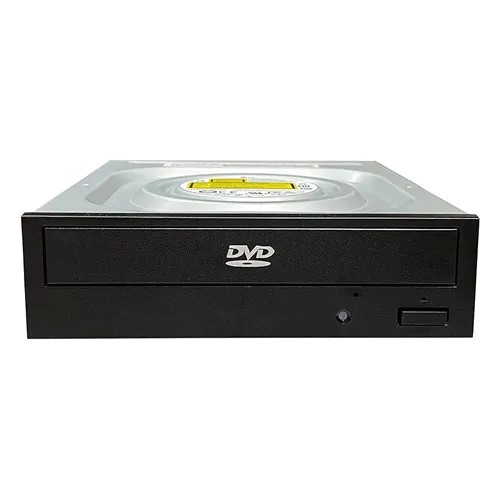
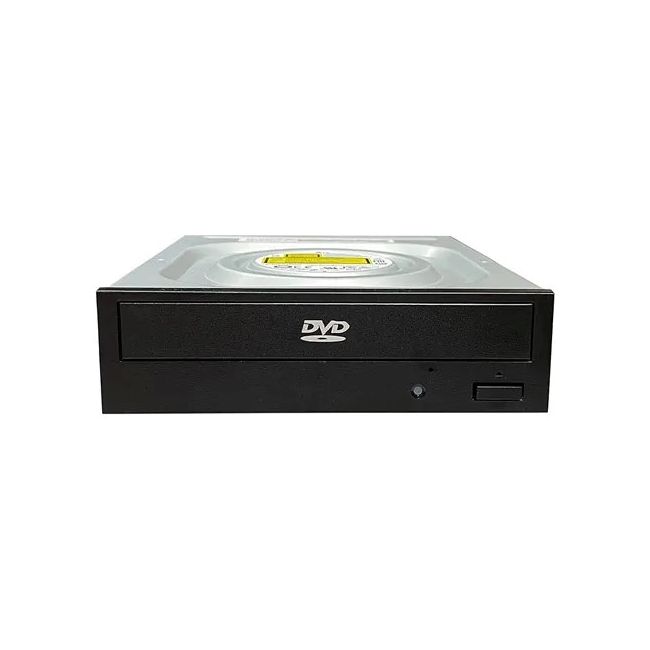
The IBM 16x DVD-ROM IDE Optical Drive functions as a reliable component for reading DVDs and CDs in older desktop systems. It fits into environments needing IDE connectivity and standard form factors, providing straightforward access to optical media without the complexities of modern interfaces. |
General Information |
|
|---|---|
| Brand | IBM |
| Part Number | 33P3236 |
Technical Information |
|
|---|---|
| Disc Diameter | 120 mm (12 cm), 80 mm (8 cm) |
| Interface | IDE / PATA (40-pin ATAPI) |
| Data Transfer Rate | 16x DVD (~22 MB/s typical, 1x DVD ≈ 1.385 MB/s) |
Physical Characteristics |
|
|---|---|
| Dimensions | 41.3 mm x 146 mm x 170 mm (H x W x D) approx. |
| Weight | 5.00 |
| Condition | Refurbished |
Product Description |
|---|
This IBM 16x DVD-ROM IDE Optical Drive reads DVDs and CDs at a speed of up to 16 times, making it suitable for accessing data, multimedia, and software installation. It’s commonly found in desktop computers where optical media is still used for data transfer or legacy software access. Built for users who require a dependable optical drive with IDE connectivity, it fits well in systems that haven’t transitioned to SATA or USB-based optical devices yet. IT professionals and anyone maintaining older hardware setups often use this drive to ensure compatibility and consistent performance. Key Features
The drive is typically deployed in office desktops, educational labs, or industrial environments where older optical media remains in use. It provides a straightforward solution for reading discs without the need to upgrade entire systems, extending the useful life of existing hardware. Its role in accessing archived data and installation disks makes it a practical choice in scenarios where network or USB-based options are limited or unavailable. |
Use Cases |
|---|
The IBM 16x DVD-ROM IDE Optical Drive is typically deployed in legacy desktop environments where IDE interfaces remain standard. IT professionals managing older hardware platforms benefit from this drive when maintaining compatibility with existing systems that require optical media access. It is especially relevant for organizations relying on archived data stored on DVDs or CDs in non-virtualized workstation setups. How It's Used:
This optical drive enhances operational continuity by enabling access to physical media without requiring hardware upgrades, thus preserving existing IT investments. Its compatibility with IDE systems ensures dependable performance in environments where newer interfaces aren’t feasible, supporting workflows reliant on optical media with minimal disruption. |
 Shipping Options
 International Delivery
Requires a UPS, FedEx, or DHL account. Customers may arrange pickup from our US warehouse.
International Delivery
Requires a UPS, FedEx, or DHL account. Customers may arrange pickup from our US warehouse.
 Payment Methods
We accept Visa, Mastercard, AMEX, Discover, and Wire Transfer.
Payment Methods
We accept Visa, Mastercard, AMEX, Discover, and Wire Transfer.
 Purchase Orders
We process purchase orders for government agencies, enterprises, data centers, and SMBs.
Purchase Orders
We process purchase orders for government agencies, enterprises, data centers, and SMBs.