

Subscribe To Our Newsletter!
Subscribe to the newsletter to stay up to date with the latest news and most useful
Newsletter
↑
Back to Top



Product Overview |
|---|
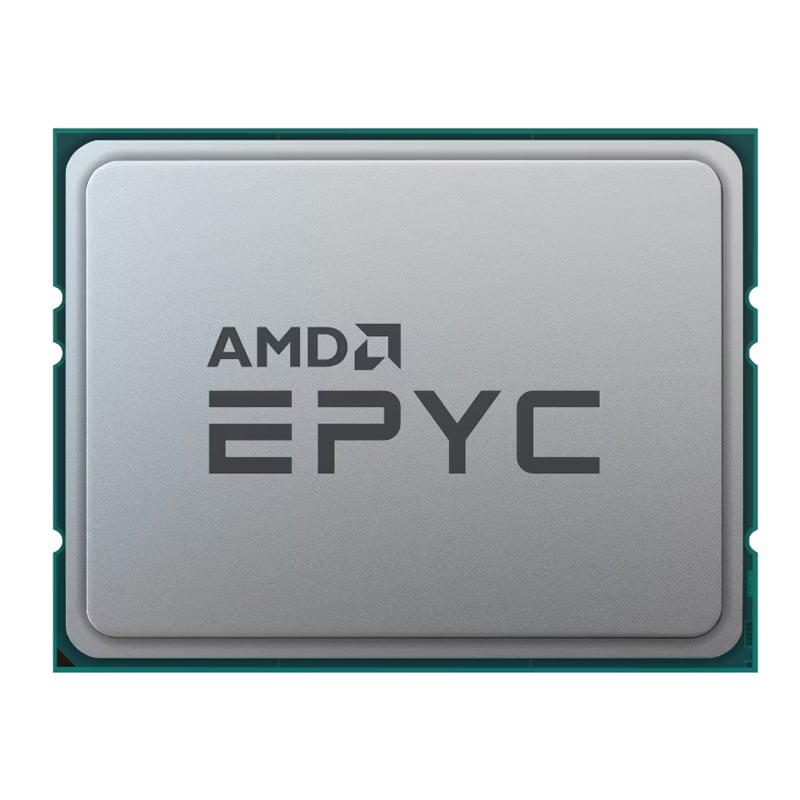
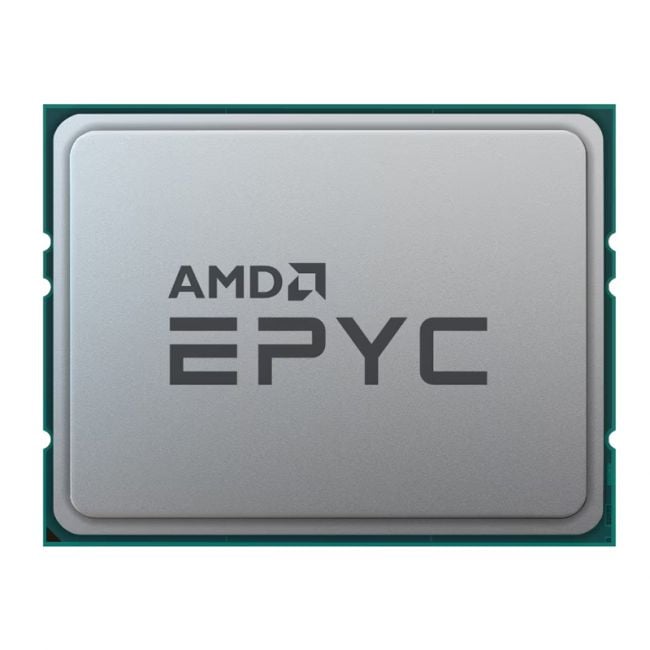
The Dell 338-BZRS AMD EPYC 7713 2.0GHz 64-Core Processor provides powerful multi-core processing tailored for server and data center applications. It fits well in enterprise environments that need reliable, scalable performance to handle diverse and heavy workloads without sacrificing efficiency or security. |
General Information |
|
|---|---|
| Brand | AMD |
| Part Number | 338-BZRS |
Technical Information |
|
|---|---|
| Processor Family | EPYC Milan |
| # Of Cores | 64 Core |
| Total Threads | 128 |
| Max Turbo Frequency | 3.675 GHz |
| Base Clock Speed | 2.0 GHz |
| PCIe Version | PCIe 4.0 |
| Lithography | 7 nm |
| Socket Type | SP3 |
| Cache | 256 MB |
| Thermal Design Power | 225 W |
Memory Specifications |
|
|---|---|
| Max Memory Size | 4 TB |
| Memory Types | DDR4-3200 RDIMM,LRDIMM,Registered ECC |
| Max Memory Channels | 8 |
| Bandwidth | 204.8 GB/s |
Physical Characteristics |
|
|---|---|
| Weight | 5.00 |
| Condition | Refurbished |
Miscellaneous |
|
|---|---|
| Compliance Standards | RoHS, CE |
Product Description |
|---|
The AMD EPYC 7713 64-Core Processor is designed to handle demanding server workloads efficiently. It is commonly used in data centers, virtualization, and high-performance computing environments where processing power and core density are critical. Professionals managing enterprise infrastructure or cloud platforms often benefit from its capabilities. This processor excels at running parallel tasks and large-scale applications thanks to its 64 cores and 128 threads. It is built for systems that require scalable compute resources without compromising energy efficiency. Key Features
This processor is typically found in large-scale servers powering cloud infrastructures, databases, and virtualization setups. It handles simultaneous tasks smoothly, helping IT teams maintain responsive and stable service environments. Its role is essential where compute-intensive processes require consistent throughput and resilience over extended periods, making it a solid choice for modern enterprise deployments. |
 Shipping Options
 International Delivery
Requires a UPS, FedEx, or DHL account. Customers may arrange pickup from our US warehouse.
International Delivery
Requires a UPS, FedEx, or DHL account. Customers may arrange pickup from our US warehouse.
 Payment Methods
We accept Visa, Mastercard, AMEX, Discover, and Wire Transfer.
Payment Methods
We accept Visa, Mastercard, AMEX, Discover, and Wire Transfer.
 Purchase Orders
We process purchase orders for government agencies, enterprises, data centers, and SMBs.
Purchase Orders
We process purchase orders for government agencies, enterprises, data centers, and SMBs.