

Subscribe To Our Newsletter!
Subscribe to the newsletter to stay up to date with the latest news and most useful
Newsletter
↑
Back to Top



Product Overview |
|---|
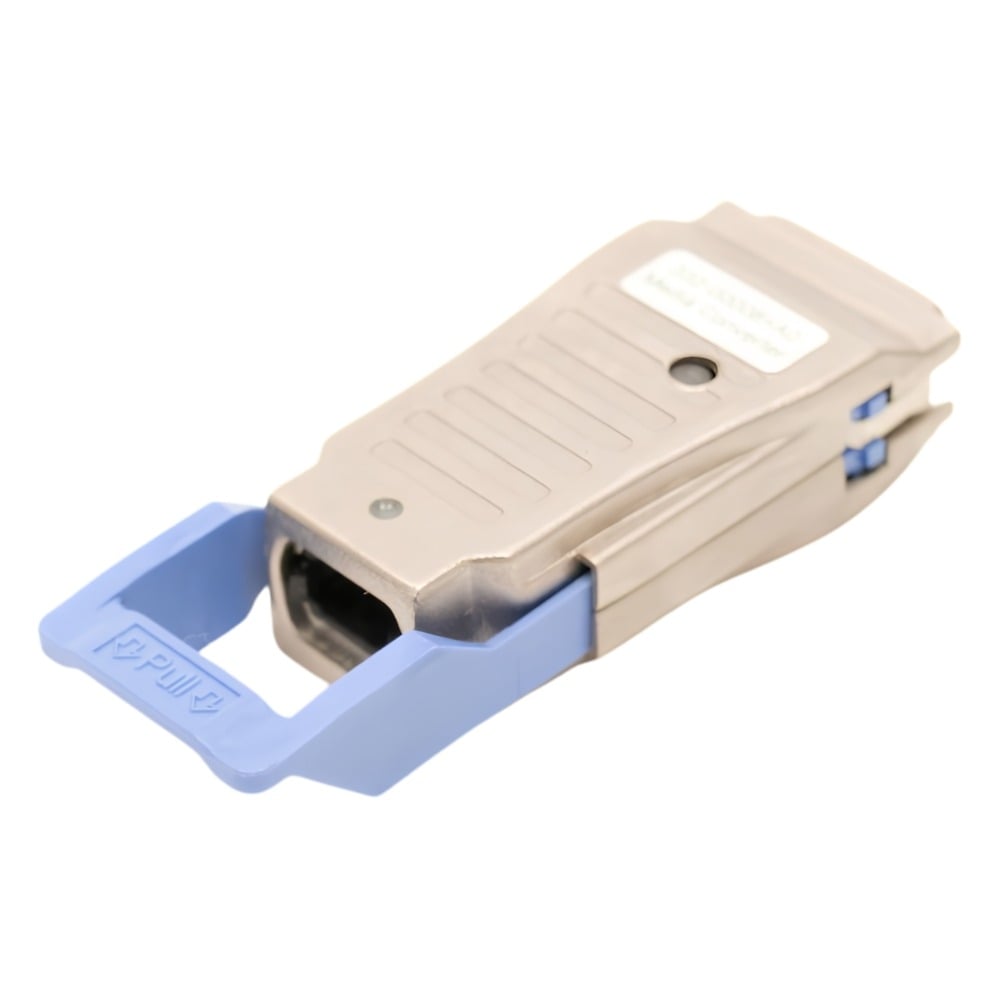
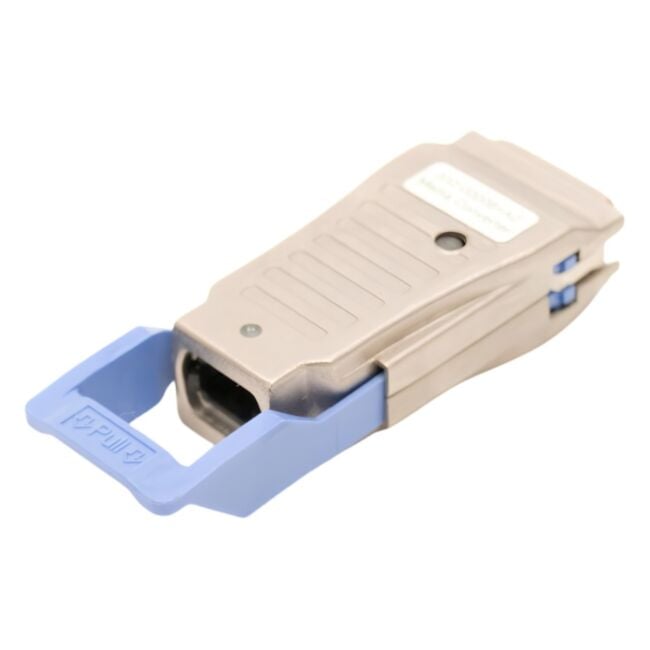
The 332-00008+A0 NetApp Copper To Fibre Media Converter for 4X IB cable acts as a dependable bridge between copper and fibre connections within InfiniBand networks. It fits into environments needing seamless media adaptation while preserving data speed and integrity, making it a practical solution for varied network architectures. |
General Information |
|
|---|---|
| Brand | NetApp |
Technical Information |
|
|---|---|
| product type | Copper to Fiber Media Converter (4x InfiniBand) |
| Product Category | Media Converter |
| Compatibility | 4x InfiniBand cable |
Miscellaneous |
|
|---|---|
| Assembly Required | No |
Physical Characteristics |
|
|---|---|
| Weight | 3.00 |
| Condition | Refurbished |
Product Description |
|---|
This media converter facilitates the transition from copper 4X InfiniBand cables to fibre optic links, enabling flexible network configurations. It's commonly found in storage and high-performance computing setups where different cabling infrastructures need to interconnect. Built for network engineers and IT professionals managing InfiniBand environments, it helps bridge copper-based components with fibre systems smoothly. Key Features
This media converter plays a practical role in networking infrastructures by enabling flexible cabling choices without compromising performance. Its proven reliability and operational consistency make it a solid component in complex InfiniBand network layouts. |
Use Cases |
|---|
This media converter is typically deployed in high-performance computing centers, data storage clusters, and environments where InfiniBand networks require integration of copper and fibre channels. IT teams managing diverse cabling infrastructures find it useful for maintaining network flexibility and performance. How It's Used:
By offering straightforward media conversion, this product helps organizations maintain efficient data flows and scalable network designs. Its role in smoothing transitions between cable types supports operational continuity across evolving infrastructures. |
 Shipping Options
 International Delivery
Requires a UPS, FedEx, or DHL account. Customers may arrange pickup from our US warehouse.
 Payment Methods
We accept Visa, Mastercard, AMEX, Discover, and Wire Transfer.
 Purchase Orders
We process purchase orders for government agencies, enterprises, data centers, and SMBs.