

Subscribe To Our Newsletter!
Subscribe to the newsletter to stay up to date with the latest news and most useful
Newsletter
↑
Back to Top



Product Overview |
|---|
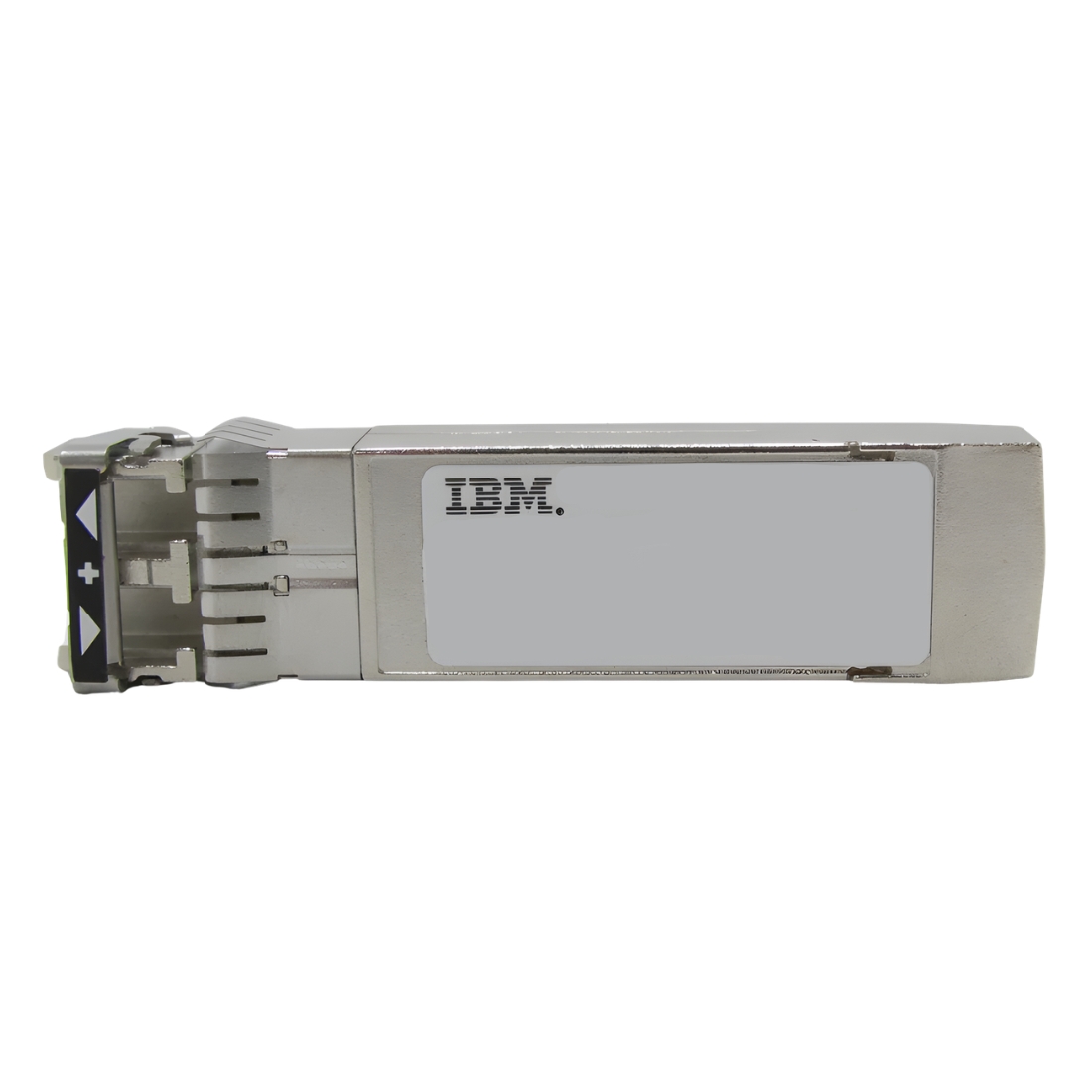
The 32G2338 Ethernet Transceiver acts as a physical layer device facilitating 10Mbps communication over thin coaxial cables. It fits within the network hardware to provide a dependable link for legacy 10BASE2 Ethernet systems, bridging the physical connection between network devices and coaxial installations. |
General Information |
|
|---|---|
| Brand | IBM |
Technical Information |
|
|---|---|
| Protocols | 10BASE2,10 Mbps Ethernet,Thin Ethernet,IEEE 802.3 |
Physical Characteristics |
|
|---|---|
| Weight | 3.00 |
| Condition | Refurbished |
Product Description |
|---|
The 32G2338 is a 10Mbps Base2 Ethernet transceiver designed to interface with thin coaxial cables. It is commonly found in older Ethernet networks where 10BASE2 connectivity is required, providing a bridge between network devices and the coaxial medium. Network administrators and IT professionals working with legacy IBM or Ethernet infrastructure often rely on this transceiver for maintaining existing network setups. Key Features
This transceiver plays a practical role in enabling Ethernet devices to interface with coaxial cable networks, preserving connectivity in environments where newer cabling is not an option. Its reliable performance ensures data transmission remains steady, supporting ongoing network operations without disruption. |
Use Cases |
|---|
This transceiver is typically deployed in legacy networking environments where thin coaxial cable infrastructure remains in use. It serves network engineers and IT staff maintaining older IBM or Ethernet-based systems that require stable 10Mbps connectivity over coaxial media. How It's Used:
By offering a straightforward way to connect Ethernet devices over coaxial cable, this transceiver supports efficient maintenance and operation of legacy networks, helping avoid costly infrastructure overhauls while preserving network stability. |
 Shipping Options
 International Delivery
Requires a UPS, FedEx, or DHL account. Customers may arrange pickup from our US warehouse.
International Delivery
Requires a UPS, FedEx, or DHL account. Customers may arrange pickup from our US warehouse.
 Payment Methods
We accept Visa, Mastercard, AMEX, Discover, and Wire Transfer.
Payment Methods
We accept Visa, Mastercard, AMEX, Discover, and Wire Transfer.
 Purchase Orders
We process purchase orders for government agencies, enterprises, data centers, and SMBs.
Purchase Orders
We process purchase orders for government agencies, enterprises, data centers, and SMBs.