

Subscribe To Our Newsletter!
Subscribe to the newsletter to stay up to date with the latest news and most useful
Newsletter
↑
Back to Top



Product Overview |
|---|
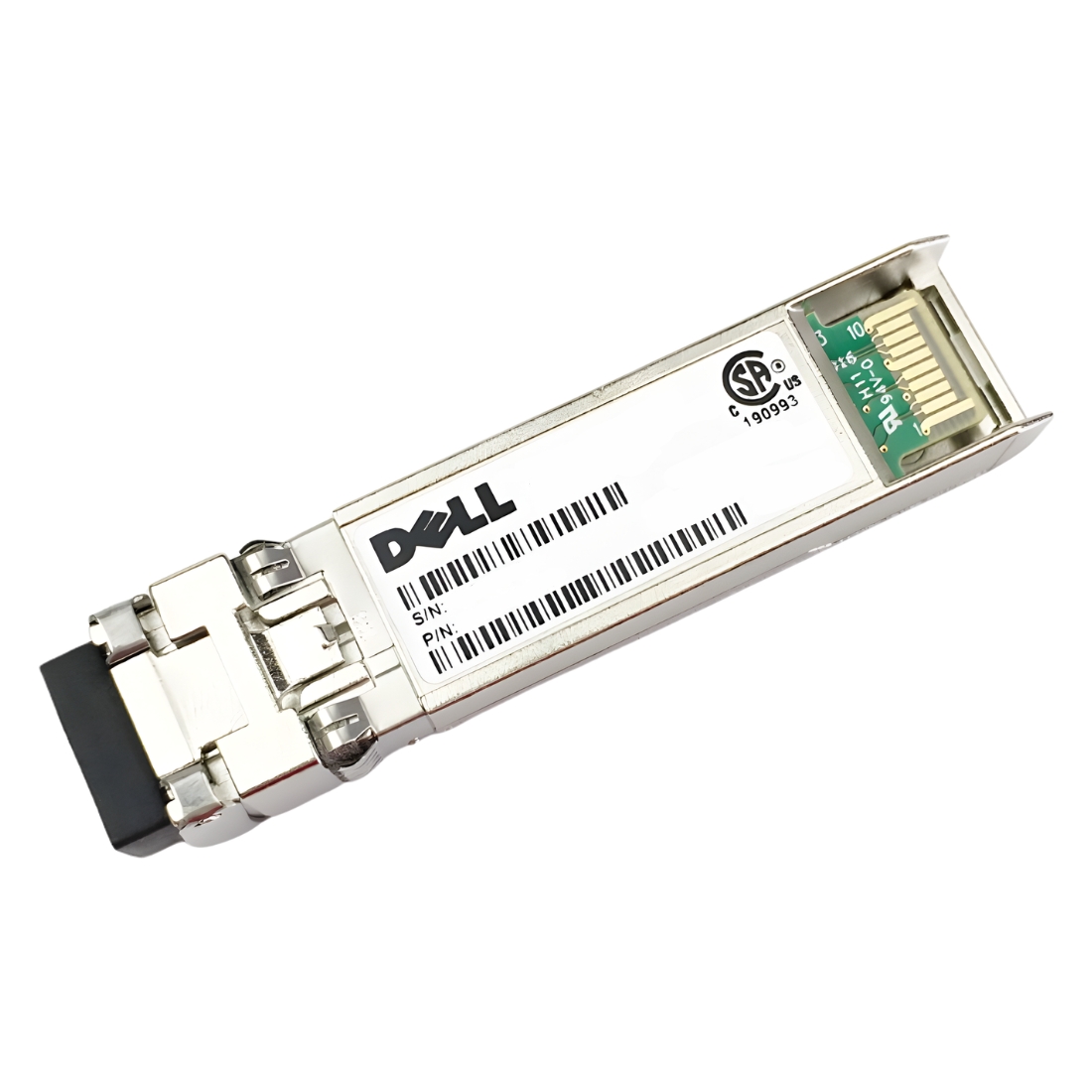
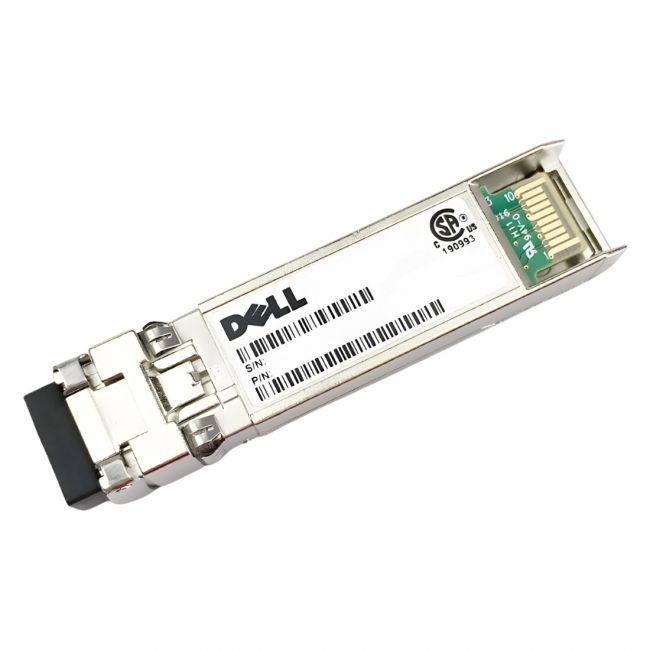
The 310-7225 - Dell 1Gb/s 1000Base-T Copper-Mode RJ-45 SFP Transceiver provides a straightforward solution for connecting gigabit Ethernet over copper cabling. It fits into SFP-compatible network devices, offering flexible and efficient port expansion options for mixed media networks. |
General Information |
|
|---|---|
| Brand | Dell |
Technical Information |
|
|---|---|
| Form Factor | SFP |
| Media | Cat 5e/6/6a (UTP) |
| Protocols | 1000Base-T,Gigabit Ethernet |
| Connector | RJ-45 |
| DOM Support | No |
Physical Characteristics |
|
|---|---|
| Weight | 3.00 |
| Condition | Refurbished |
Product Description |
|---|
The 310-7225 is a copper-mode RJ-45 SFP transceiver designed to deliver gigabit Ethernet connectivity over standard copper cabling. It is commonly found in network infrastructure setups where compact and hot-swappable modules are required to interface copper-based Ethernet devices. Built for IT professionals managing enterprise or data center networks, this transceiver simplifies integrating copper links into high-density switch environments. Its compatibility with standard hardware makes it a versatile component across various network configurations. Key Features
This transceiver plays a practical role in network setups by enabling straightforward connection between switches and copper cabling without requiring additional adapters. Its reliable performance and standardized design contribute to maintaining stable network operations across various environments. |
Use Cases |
|---|
This SFP transceiver is typically used in enterprise and data center environments where there is a need to connect network switches to standard copper cabling infrastructure. It benefits IT teams looking to maintain or upgrade network links without replacing existing cabling. How It's Used:
By enabling simple copper link integration, this transceiver aids in optimizing network layouts and streamlining hardware management. Its design supports operational efficiency and scalability within diverse network architectures. |
 Shipping Options
 International Delivery
Requires a UPS, FedEx, or DHL account. Customers may arrange pickup from our US warehouse.
International Delivery
Requires a UPS, FedEx, or DHL account. Customers may arrange pickup from our US warehouse.
 Payment Methods
We accept Visa, Mastercard, AMEX, Discover, and Wire Transfer.
Payment Methods
We accept Visa, Mastercard, AMEX, Discover, and Wire Transfer.
 Purchase Orders
We process purchase orders for government agencies, enterprises, data centers, and SMBs.
Purchase Orders
We process purchase orders for government agencies, enterprises, data centers, and SMBs.