

Subscribe To Our Newsletter!
Subscribe to the newsletter to stay up to date with the latest news and most useful
Newsletter
↑
Back to Top



Product Overview |
|---|
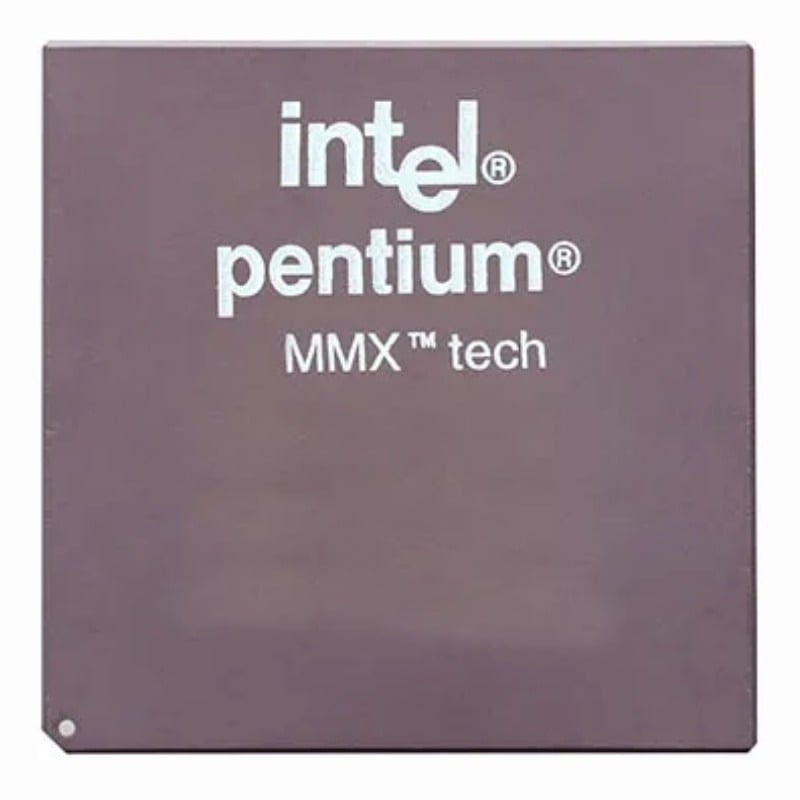
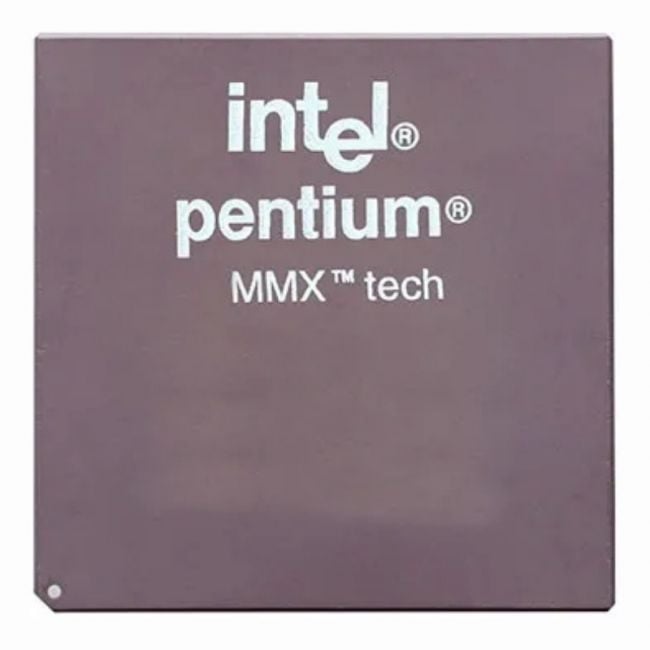
The Dell 3056D processor provides a reliable 233MHz single-core Intel Pentium MMX solution designed for older desktop systems. It fits Socket PPGA296 motherboards and offers balanced performance with its 512KB L2 cache and 66MHz front side bus, making it a practical choice for maintenance and legacy computing environments. |
General Information |
|
|---|---|
| Brand | Dell |
| Part Number | 3056D |
Technical Information |
|
|---|---|
| Total Threads | 1 |
| Base Clock Speed | 233 MHz |
| Cache | 512 KB L2 |
Physical Characteristics |
|
|---|---|
| Weight | 5.00 |
| Condition | Refurbished |
Product Description |
|---|
This Dell 3056D processor is built for basic computing tasks and is often found in older desktop systems. It delivers a single-core Intel Pentium MMX CPU operating at 233MHz, suitable for running legacy software and basic applications. Commonly used in environments where simple processing power is sufficient, this CPU is favored by those maintaining or refurbishing vintage machines. Its 66MHz front side bus and 512KB L2 cache help improve data flow and responsiveness compared to earlier models. Key Features
This processor is typically deployed in legacy desktops and workstations where modern multi-core CPUs are unnecessary. It helps keep older machines functional without requiring newer hardware upgrades. Users benefit from its compatibility and modest power consumption in systems dedicated to basic tasks. |
Use Cases |
|---|
The Dell 3056D Intel Pentium MMX 233MHz processor is typically utilized in legacy desktop systems requiring cost-effective maintenance or refurbishing. It serves environments where legacy application compatibility is essential, such as industrial control stations or archival workstations, and benefits IT teams managing extended hardware lifecycles. How It's Used:
This processor facilitates ongoing operational efficiency by providing stable performance in legacy systems without necessitating full hardware replacements. Its compatibility with older motherboards helps extend the usability of existing assets, reducing complexity in environments constrained by compatibility or budget considerations. |
 Shipping Options
 International Delivery
Requires a UPS, FedEx, or DHL account. Customers may arrange pickup from our US warehouse.
International Delivery
Requires a UPS, FedEx, or DHL account. Customers may arrange pickup from our US warehouse.
 Payment Methods
We accept Visa, Mastercard, AMEX, Discover, and Wire Transfer.
Payment Methods
We accept Visa, Mastercard, AMEX, Discover, and Wire Transfer.
 Purchase Orders
We process purchase orders for government agencies, enterprises, data centers, and SMBs.
Purchase Orders
We process purchase orders for government agencies, enterprises, data centers, and SMBs.