

Subscribe To Our Newsletter!
Subscribe to the newsletter to stay up to date with the latest news and most useful
Newsletter
↑
Back to Top



Product Overview |
|---|
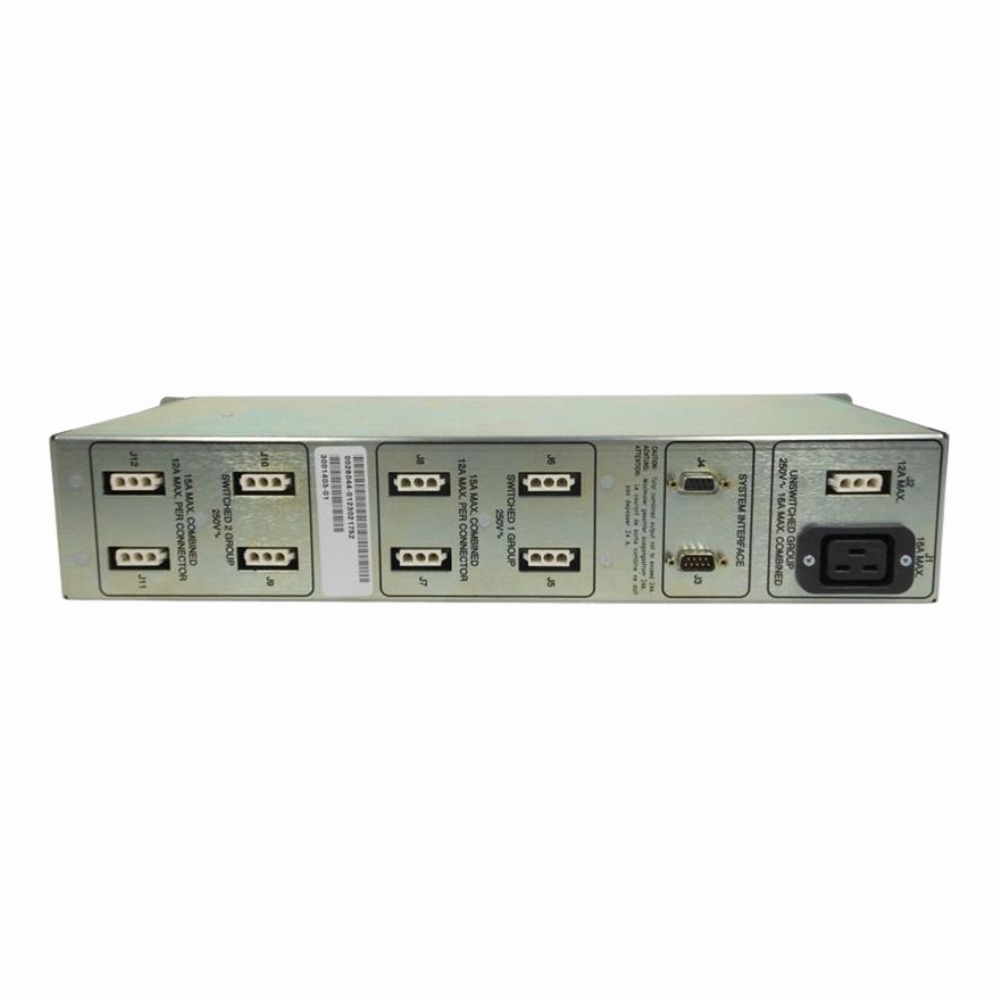
The Sun 230V AC Power Sequencer is designed to manage power distribution by controlling the startup sequence of connected devices, fitting well in environments like server racks and telecommunication closets. It helps avoid inrush currents and ensures that equipment powers on smoothly, which is essential for maintaining system stability in professional IT settings. |
General Information |
|
|---|---|
| Brand | Sun |
| Part Number | 300-1393 |
| Product Type | Server Power Supply |
| Condition | Refurbished |
Technical Information |
|
|---|---|
| Input Voltage | AC 230V |
| Input Frequency | 50-60 Hz |
| Hot Swappable | No |
| Redundant Support | No |
| Cooling Type | Passive |
| Modularity | Non-Modular |
Physical Characteristics |
|
|---|---|
| Weight | 3.00 |
Product Description |
|---|
The Sun 230V AC Power Sequencer controls the order in which connected devices power on and off, preventing electrical surges and ensuring equipment safety. It’s commonly used in server rooms and data centers where managing multiple power sources is critical. IT professionals and system administrators often rely on this sequencer to maintain stable operation and avoid hardware damage. Key Features
Typically deployed in enterprise data centers and network rooms, the sequencer helps extend the life of sensitive electronics by preventing power spikes. By managing power flow effectively, it reduces downtime and supports consistent system performance. |
Use Cases |
|---|
The Sun 230V AC Power Sequencer is commonly deployed in data centers and telecommunication facilities where coordinated power management is critical. It is especially beneficial for IT professionals managing multi-device racks that require controlled startup sequences to prevent electrical issues and maintain uptime. How It's Used:
By controlling the timing and order of device activation, this power sequencer enhances operational stability and reduces the risk of hardware faults. Its integration into rack deployments supports scalable infrastructure growth while maintaining efficient power management. |
 Shipping Options
 International Delivery
Requires a UPS, FedEx, or DHL account. Customers may arrange pickup from our US warehouse.
International Delivery
Requires a UPS, FedEx, or DHL account. Customers may arrange pickup from our US warehouse.
 Payment Methods
We accept Visa, Mastercard, AMEX, Discover, and Wire Transfer.
Payment Methods
We accept Visa, Mastercard, AMEX, Discover, and Wire Transfer.
 Purchase Orders
We process purchase orders for government agencies, enterprises, data centers, and SMBs.
Purchase Orders
We process purchase orders for government agencies, enterprises, data centers, and SMBs.