

Subscribe To Our Newsletter!
Subscribe to the newsletter to stay up to date with the latest news and most useful
Newsletter
↑
Back to Top



Product Overview |
|---|
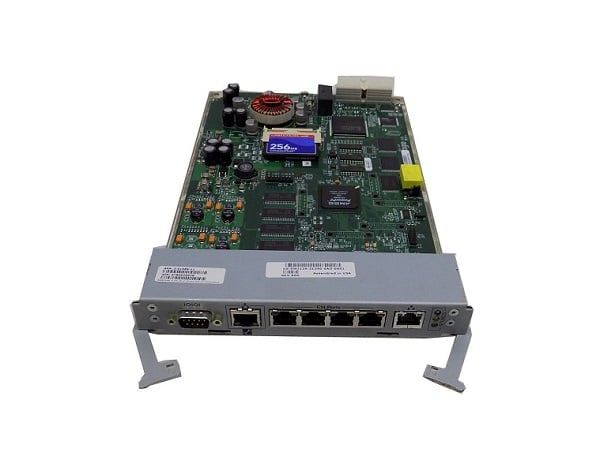
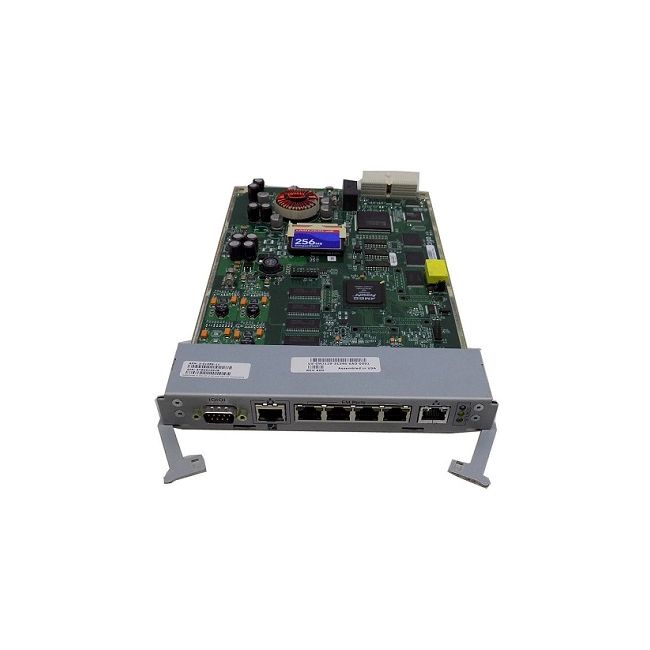
The Dell PowerVault ML6000 Library Controller with 256MB flash memory manages the robotic systems and tape operations within the PowerVault ML6000 library. It fits into enterprise backup setups where automation and reliability are key, handling tape movements and media management to support efficient data storage workflows. |
General Information |
|
|---|---|
| Brand | Dell |
| Part Number | 3-01989-10 |
Physical Characteristics |
|
|---|---|
| Condition | Refurbished |
| Weight | 5.00 |
Miscellaneous |
|
|---|---|
| Eco Friendly | Yes |
| Assembly Required | Yes |
Product Description |
|---|
The Dell PowerVault ML6000 Library Controller acts as the central command unit for the ML6000 tape library, managing robotic movements and ensuring smooth media handling. It is commonly found in data centers and enterprise environments where large-scale backup and archiving are critical. IT professionals and system administrators typically rely on this controller to maintain consistent access to backup storage. Key Features
This controller is typically deployed in environments with high data backup demands, such as enterprise IT departments or managed service providers. Its role ensures that tape libraries operate without interruption, helping maintain backup schedules and data integrity without constant manual oversight. |
Use Cases |
|---|
The Dell 256MB Flash PowerVault ML6000 Library Controller is primarily utilized in enterprise IT environments where automated tape libraries are essential for data backup and archiving. This controller is well-suited for organizations managing large volumes of data requiring reliable robotic control within their tape libraries to maintain consistent data workflows and reduce manual intervention. How It's Used:
This controller supports enhanced operational efficiency by managing tape robotic systems with precise coordination, enabling scalability within evolving storage architectures. Its role in simplifying complex library operations contributes to consistent performance and helps organizations maintain robust data protection strategies in demanding storage environments. |
 Shipping Options
 International Delivery
Requires a UPS, FedEx, or DHL account. Customers may arrange pickup from our US warehouse.
International Delivery
Requires a UPS, FedEx, or DHL account. Customers may arrange pickup from our US warehouse.
 Payment Methods
We accept Visa, Mastercard, AMEX, Discover, and Wire Transfer.
Payment Methods
We accept Visa, Mastercard, AMEX, Discover, and Wire Transfer.
 Purchase Orders
We process purchase orders for government agencies, enterprises, data centers, and SMBs.
Purchase Orders
We process purchase orders for government agencies, enterprises, data centers, and SMBs.