

Subscribe To Our Newsletter!
Subscribe to the newsletter to stay up to date with the latest news and most useful
Newsletter
↑
Back to Top



Product Overview |
|---|
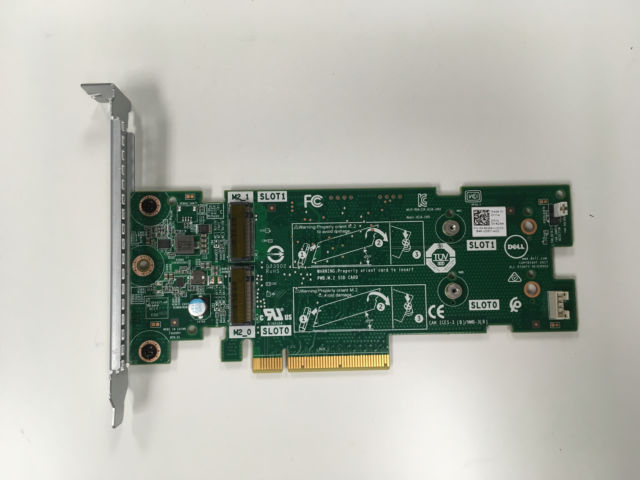
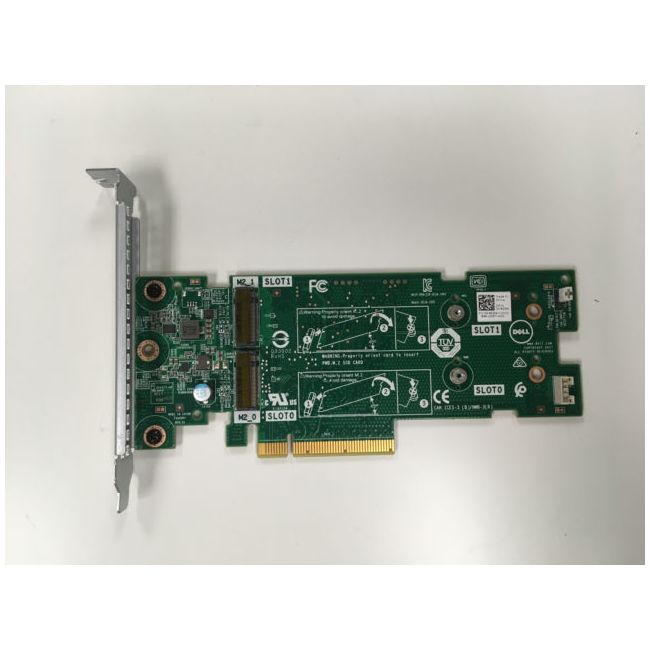
The Dell BOSS-S1 Boot Optimized Storage Adapter Card enhances server boot speeds by allowing use of two M.2 NVMe SSDs through a PCIe interface. It's tailored for Dell PowerEdge systems where dependable boot operations and storage flexibility are needed without complicated setups. |
General Information |
|
|---|---|
| Brand | Dell |
| Part Number | 2MFVD |
Physical Characteristics |
|
|---|---|
| Weight | 5.00 |
| Condition | Refurbished |
Product Description |
|---|
The Dell BOSS-S1 Boot Optimized Storage Adapter Card is built to enhance server boot performance by supporting two M.2 NVMe SSDs. It is commonly found in Dell PowerEdge servers where reliable and fast boot storage is essential for system stability and uptime. This card is often used by IT professionals managing data centers or enterprise environments that require quick boot times and redundancy options. Key Features
This adapter is typically deployed in data centers or enterprise servers where efficient boot processes are critical. It provides tangible benefits by minimizing downtime and ensuring that the operating system loads quickly and reliably. Its straightforward installation and compatibility with Dell servers make it a practical upgrade for server boot storage. |
Use Cases |
|---|
The Dell BOSS-S1 Boot Optimized Server Storage Adapter Card is commonly deployed in enterprise data centers and large-scale virtualization environments where reliable and rapid server boot times are critical. IT administrators managing Dell PowerEdge servers benefit from its streamlined boot process and storage redundancy capabilities, ensuring minimal downtime during maintenance or system failures. How It's Used:
This adapter card supports operational efficiency by delivering accelerated boot times alongside RAID-level data protection, reducing server downtime and improving scalability. Its design aligns with demanding workloads that need consistent boot performance without sacrificing storage flexibility in multi-server deployments. |
 Shipping Options
 International Delivery
Requires a UPS, FedEx, or DHL account. Customers may arrange pickup from our US warehouse.
International Delivery
Requires a UPS, FedEx, or DHL account. Customers may arrange pickup from our US warehouse.
 Payment Methods
We accept Visa, Mastercard, AMEX, Discover, and Wire Transfer.
Payment Methods
We accept Visa, Mastercard, AMEX, Discover, and Wire Transfer.
 Purchase Orders
We process purchase orders for government agencies, enterprises, data centers, and SMBs.
Purchase Orders
We process purchase orders for government agencies, enterprises, data centers, and SMBs.