

Subscribe To Our Newsletter!
Subscribe to the newsletter to stay up to date with the latest news and most useful
Newsletter
↑
Back to Top



Product Overview |
|---|
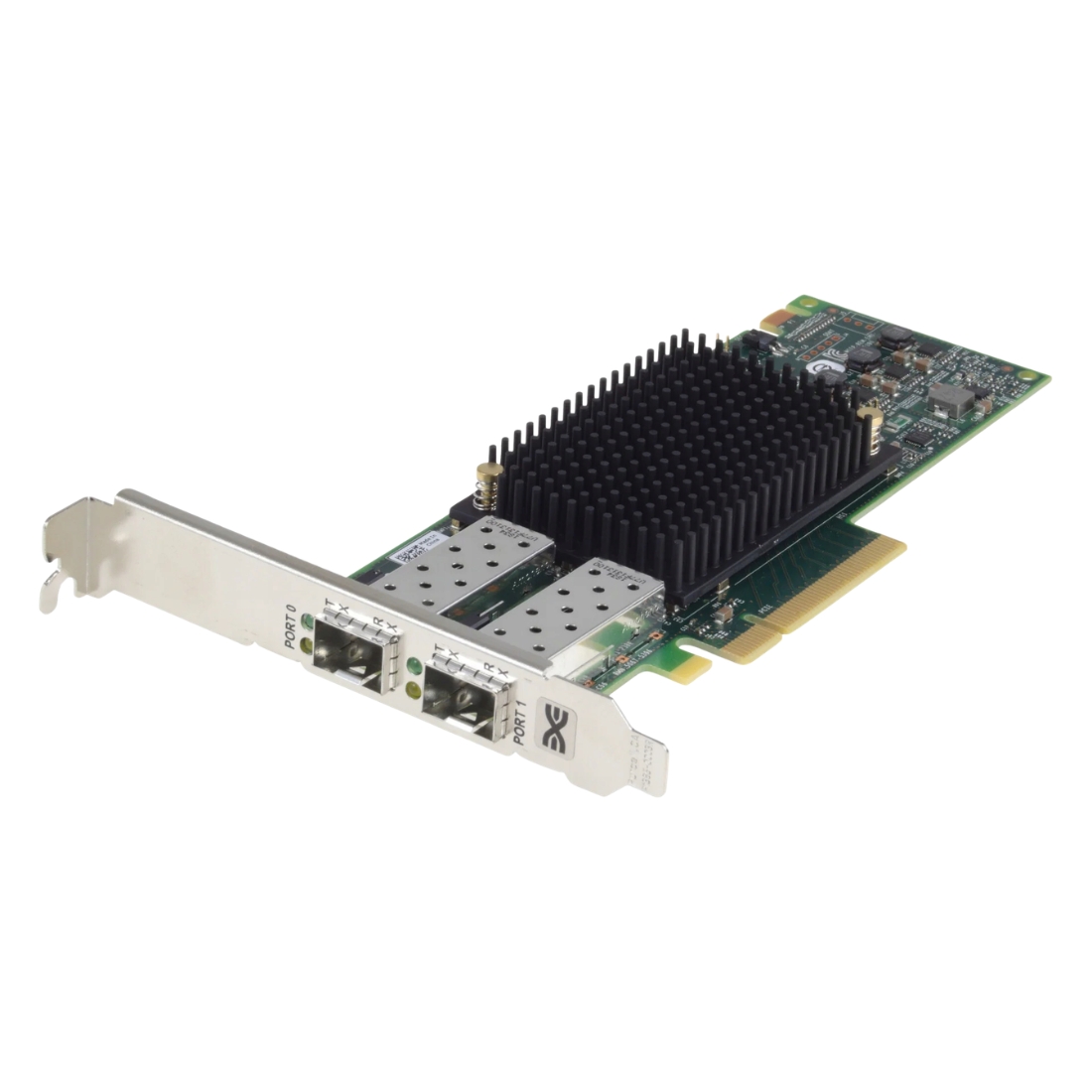
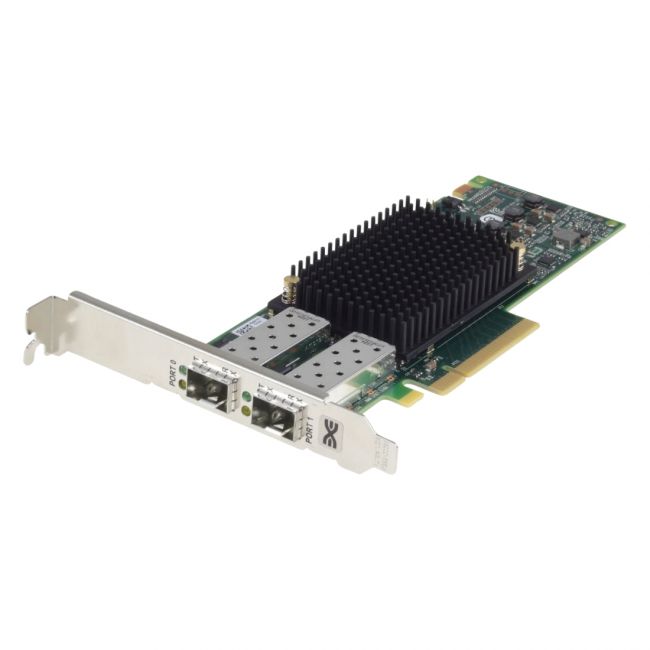
The 2BDA - IBM GX++ 12-Channel Attachment 2-Ports DDR Host Channel Adapter provides a dedicated connection interface designed for IBM GX++ systems, delivering high bandwidth through multiple DDR channels and dual ports. It fits into server hardware environments where reliable and efficient data attachment is critical. |
General Information |
|
|---|---|
| Brand | IBM |
Technical Information |
|
|---|---|
| Port Count | 2-Port (Dual) |
| Network Topology | Switched Fabric (N-Port) |
| Bracket Height | Full Height (Standard) |
Physical Characteristics |
|
|---|---|
| Weight | 3.00 |
| Condition | Refurbished |
Miscellaneous |
|
|---|---|
| Assembly Required | No |
Product Description |
|---|
The 2BDA - IBM GX++ 12-Channel Attachment 2-Ports DDR Host Channel Adapter facilitates rapid data transfer between memory and processors in high-performance computing environments. Often found within IBM GX++ systems, this adapter is built for handling multiple data streams efficiently. IT professionals and system architects rely on such adapters to maintain system responsiveness and handle heavy workloads in server and data center setups. Key Features
This adapter plays a crucial role in maintaining high throughput and low latency data pathways in server environments. Its reliable operation contributes to overall system stability and performance. Used in various data-intensive settings, the 2BDA ensures data moves efficiently between components, supporting complex processing tasks without bottlenecks. |
Use Cases |
|---|
The 2BDA adapter is typically deployed in IBM GX++ server systems where multiple high-speed data channels are essential. It benefits environments requiring robust memory attachment solutions with simultaneous port functionality. How It's Used:
In these environments, the 2BDA adapter supports operational efficiency by maintaining consistent data flow and reducing latency. Its design helps ensure scalability and dependable performance across demanding computing tasks. |
 Shipping Options
 International Delivery
Requires a UPS, FedEx, or DHL account. Customers may arrange pickup from our US warehouse.
International Delivery
Requires a UPS, FedEx, or DHL account. Customers may arrange pickup from our US warehouse.
 Payment Methods
We accept Visa, Mastercard, AMEX, Discover, and Wire Transfer.
Payment Methods
We accept Visa, Mastercard, AMEX, Discover, and Wire Transfer.
 Purchase Orders
We process purchase orders for government agencies, enterprises, data centers, and SMBs.
Purchase Orders
We process purchase orders for government agencies, enterprises, data centers, and SMBs.