

Subscribe To Our Newsletter!
Subscribe to the newsletter to stay up to date with the latest news and most useful
Newsletter
↑
Back to Top



| Product Overview |
|---|
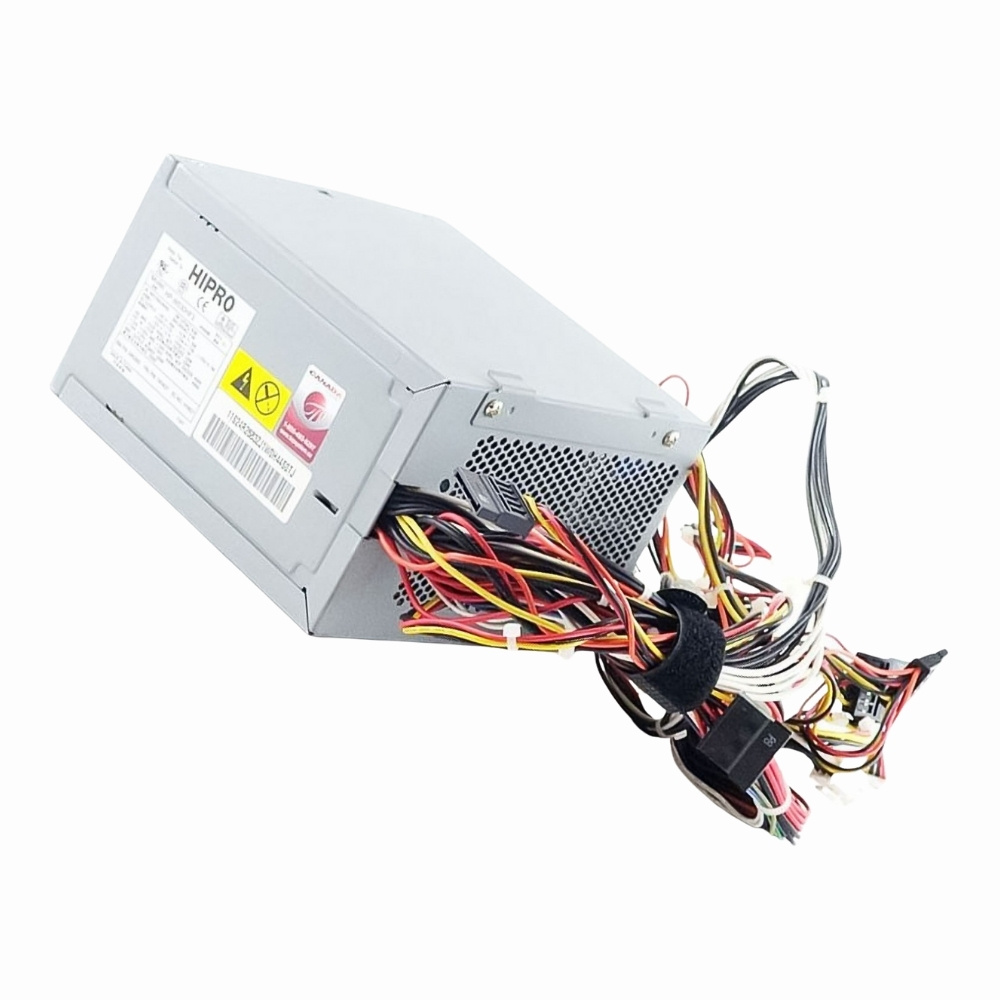
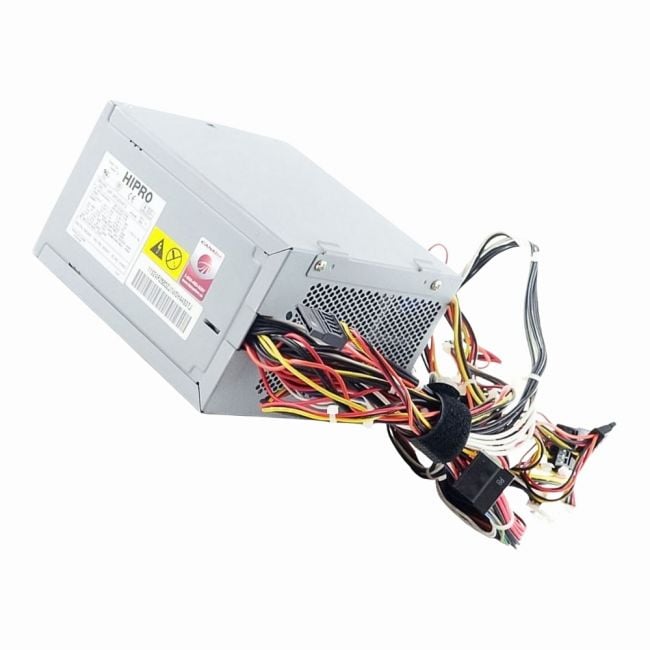
The HP 280-Watts ATX Power Supply for the 5100 WorkStation provides consistent and reliable power tailored to the specific needs of this HP model. It's built to fit neatly inside the system while supporting the various components that require steady energy. This power supply is a practical choice for professionals who depend on their workstation to run reliably throughout the workday. |
| General Information | |
|---|---|
| Brand | HP |
| Part Number | 299312-001 |
| Condition | Refurbished |
| Technical Information | |
|---|---|
| Input Voltage | AC |
| Input Frequency | 50/60Hz |
| Output | 12V,5V,3.3V,-12V,5VSB |
| Max. Output Power | 280W |
| Hot Swappable | No |
| Redundant Support | No |
| Cooling Type | Active Fan |
| Modularity | Non-Modular |
| rail_design | Single 12V Rail |
| Number of Fans | 1 |
| Compatibility | |
|---|---|
| Form Factor | Proprietary |
| Compatible For | HP Workstation 5100 |
| Connectors | |
|---|---|
| Connector Types | 20+4-pin ATX, 4-pin CPU, SATA, Molex |
| Physical Characteristics | |
|---|---|
| Weight | 3.00 |
| Product Description |
|---|
This HP 280-Watts ATX Power Supply is designed specifically for the HP 5100 WorkStation, providing stable and consistent power to keep your system running smoothly. Built for professional environments, it supports the power demands of high-performance components often found in graphic design, engineering, and content creation setups. Commonly used in office and studio environments, this power supply ensures your workstation maintains optimal operation during intensive workloads. Technicians and end-users who require dependable hardware benefit from its straightforward installation and compatibility with HP systems. Key Features
This power supply is typically found in workstations used for CAD applications, video editing, and other resource-heavy programs where reliable power is critical. Its role is to keep all parts energized without interruption, helping avoid system crashes and maintain productivity in demanding settings. |
 Shipping Options
 International Delivery
Requires a UPS, FedEx, or DHL account. Customers may arrange pickup from our US warehouse.
International Delivery
Requires a UPS, FedEx, or DHL account. Customers may arrange pickup from our US warehouse.
 Payment Methods
We accept Visa, Mastercard, AMEX, Discover, and Wire Transfer.
Payment Methods
We accept Visa, Mastercard, AMEX, Discover, and Wire Transfer.
 Purchase Orders
We process purchase orders for government agencies, enterprises, data centers, and SMBs.
Purchase Orders
We process purchase orders for government agencies, enterprises, data centers, and SMBs.