

Subscribe To Our Newsletter!
Subscribe to the newsletter to stay up to date with the latest news and most useful
Newsletter
↑
Back to Top



Product Overview |
|---|
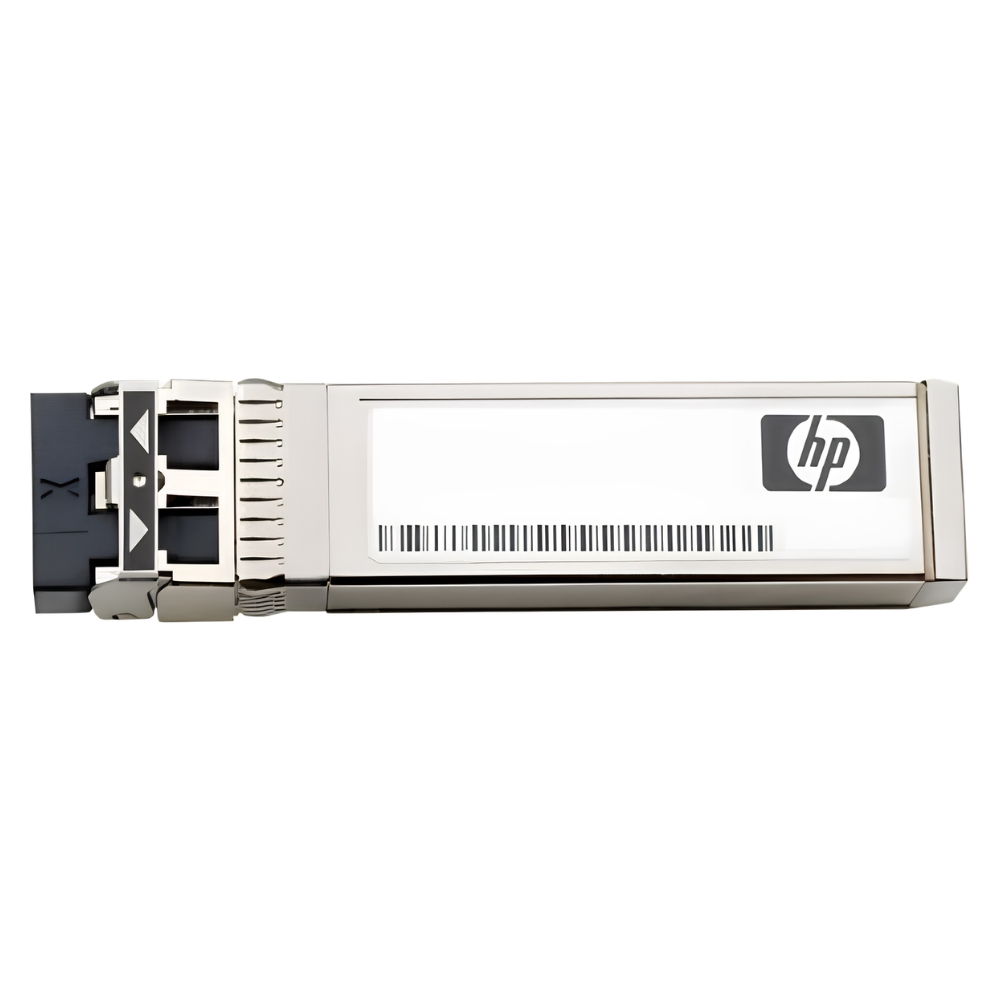
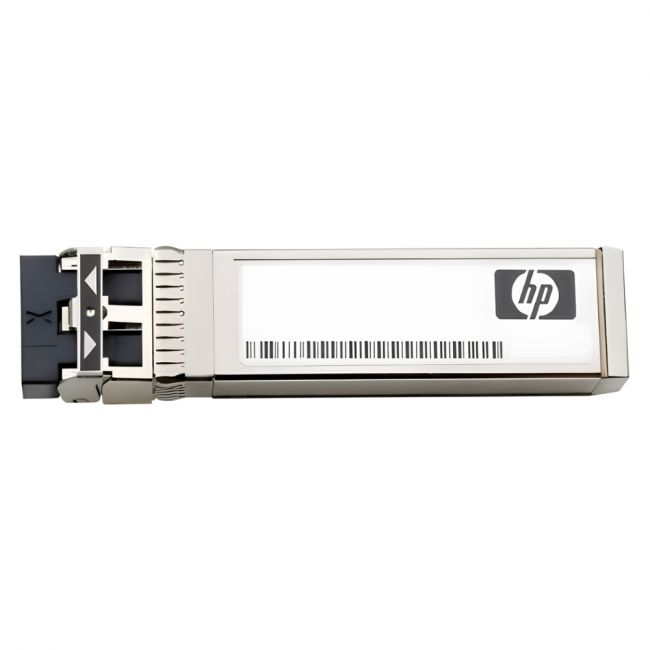
The 292003-001 HP 2Gb/s 850nm Short Wave SFP Mini-GBIC Transceiver Module serves as a compact optical interface enabling short-range fiber connections. It fits into standard SFP ports and supports high-speed data transfers, making it a practical choice for environments requiring stable and efficient optical links without complexity. |
General Information |
|
|---|---|
| Brand | HP |
Technical Information |
|
|---|---|
| Form Factor | SFP |
| Media | MMF |
| Type | VCSEL |
| Protocols | Fibre Channel,2Gb/s |
| Connector | LC Duplex |
| DOM Support | No |
Physical Characteristics |
|
|---|---|
| Weight | 3.00 |
| Condition | Refurbished |
Product Description |
|---|
The 292003-001 HP 2Gb/s 850nm Short Wave SFP Mini-GBIC Transceiver Module enables network connectivity over fiber optic cabling, facilitating fast and stable data transmission. This module is commonly used in enterprise networking and storage environments where short-range optical links are essential. Built for seamless integration with HP networking equipment, it suits IT professionals and network administrators seeking dependable hardware for maintaining robust fiber connections. Its design supports diverse network setups requiring efficient data handling at 2Gb/s speeds. Key Features
This transceiver module plays a key role in maintaining smooth network operations by facilitating reliable optical connections. Its focus on performance and compatibility ensures that data centers and enterprise networks can scale and adapt without sacrificing link integrity. |
Use Cases |
|---|
This transceiver module is typically deployed in enterprise data centers and storage area networks where short-distance fiber optic connections are required. It benefits users who need reliable, high-speed optical links within rack deployments or campus network environments. How It's Used:
The module supports operational efficiency by providing dependable high-speed connectivity that adapts well to evolving network demands. Its straightforward compatibility and solid performance help maintain stable optical communication channels crucial for enterprise IT infrastructures. |
 Shipping Options
 International Delivery
Requires a UPS, FedEx, or DHL account. Customers may arrange pickup from our US warehouse.
International Delivery
Requires a UPS, FedEx, or DHL account. Customers may arrange pickup from our US warehouse.
 Payment Methods
We accept Visa, Mastercard, AMEX, Discover, and Wire Transfer.
Payment Methods
We accept Visa, Mastercard, AMEX, Discover, and Wire Transfer.
 Purchase Orders
We process purchase orders for government agencies, enterprises, data centers, and SMBs.
Purchase Orders
We process purchase orders for government agencies, enterprises, data centers, and SMBs.