

Subscribe To Our Newsletter!
Subscribe to the newsletter to stay up to date with the latest news and most useful
Newsletter
↑
Back to Top



Product Overview |
|---|
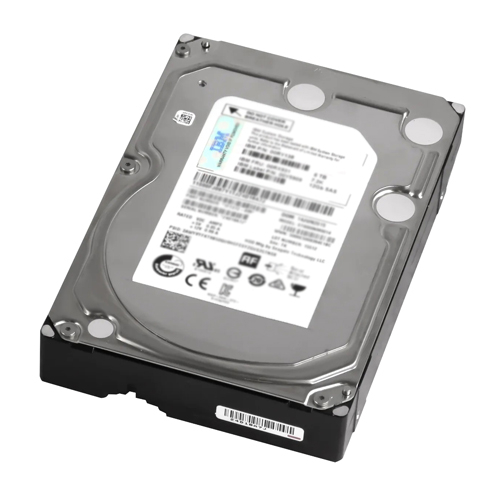
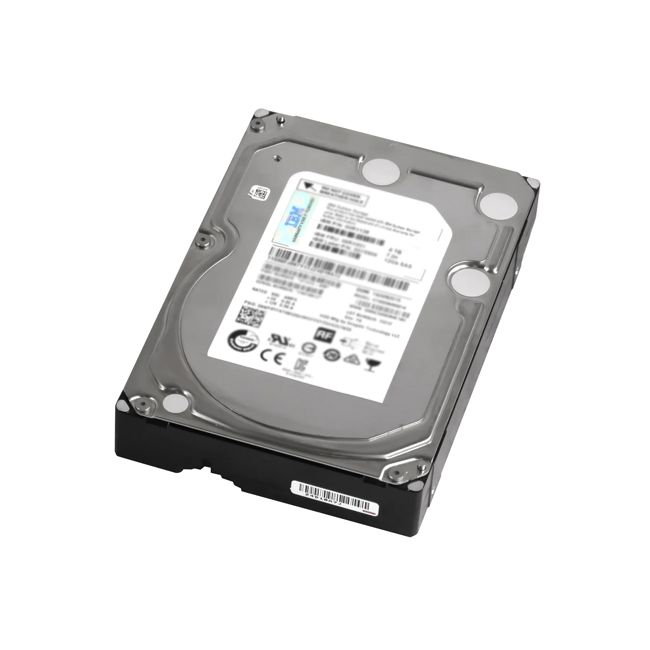
The IBM 750GB 1.5Gb/s SATA 7200 RPM 3.5-inch hard drive provides dependable storage with a balance of capacity and steady performance. It fits neatly into standard desktop or server setups and serves well for everyday file storage, backups, or general computing tasks. |
General Information |
|
|---|---|
| Brand | IBM |
| Part Number | 2859-4019 |
Technical Information |
|
|---|---|
| Capacity | 750GB |
| Form Factor | 3.5-inch |
| Spindle Speed | 7200 RPM |
| Hybrid Drive | No |
Interfaces/Ports |
|
|---|---|
| Interface | SATA 1.5Gb/s |
Physical Characteristics |
|
|---|---|
| Condition | Refurbished |
| Weight | 1.76 |
Product Description |
|---|
This IBM 750GB hard drive is built for reliable storage needs in desktop computers and servers. It offers solid capacity and a SATA connection that fits common systems, making it a practical choice for data storage or backup tasks. Professionals who require dependable, mid-range drive performance often find this model useful. Key Features
Commonly deployed in office environments and entry-level servers, this hard drive handles typical workloads without fuss. It’s well-suited wherever reliable storage with straightforward performance matters more than cutting-edge speed. |
Use Cases |
|---|
The IBM 750GB 1.5Gb/s SATA 7200 RPM 3.5-inch hard drive is well-suited for environments requiring reliable mid-tier storage capacity with steady data throughput. It primarily benefits SMB IT infrastructures, remote office setups, and small-scale virtualization hosts that demand consistent performance without high-end enterprise costs. How It's Used:
This hard drive supports operational efficiency by delivering balanced performance and capacity for environments where cost-effectiveness and reliability are critical. Its compatibility with standard drive bays allows for scalable storage upgrades, ensuring continuity in growing infrastructure demands. |
 Shipping Options
 International Delivery
Requires a UPS, FedEx, or DHL account. Customers may arrange pickup from our US warehouse.
International Delivery
Requires a UPS, FedEx, or DHL account. Customers may arrange pickup from our US warehouse.
 Payment Methods
We accept Visa, Mastercard, AMEX, Discover, and Wire Transfer.
Payment Methods
We accept Visa, Mastercard, AMEX, Discover, and Wire Transfer.
 Purchase Orders
We process purchase orders for government agencies, enterprises, data centers, and SMBs.
Purchase Orders
We process purchase orders for government agencies, enterprises, data centers, and SMBs.