

Subscribe To Our Newsletter!
Subscribe to the newsletter to stay up to date with the latest news and most useful
Newsletter
↑
Back to Top



Product Overview |
|---|
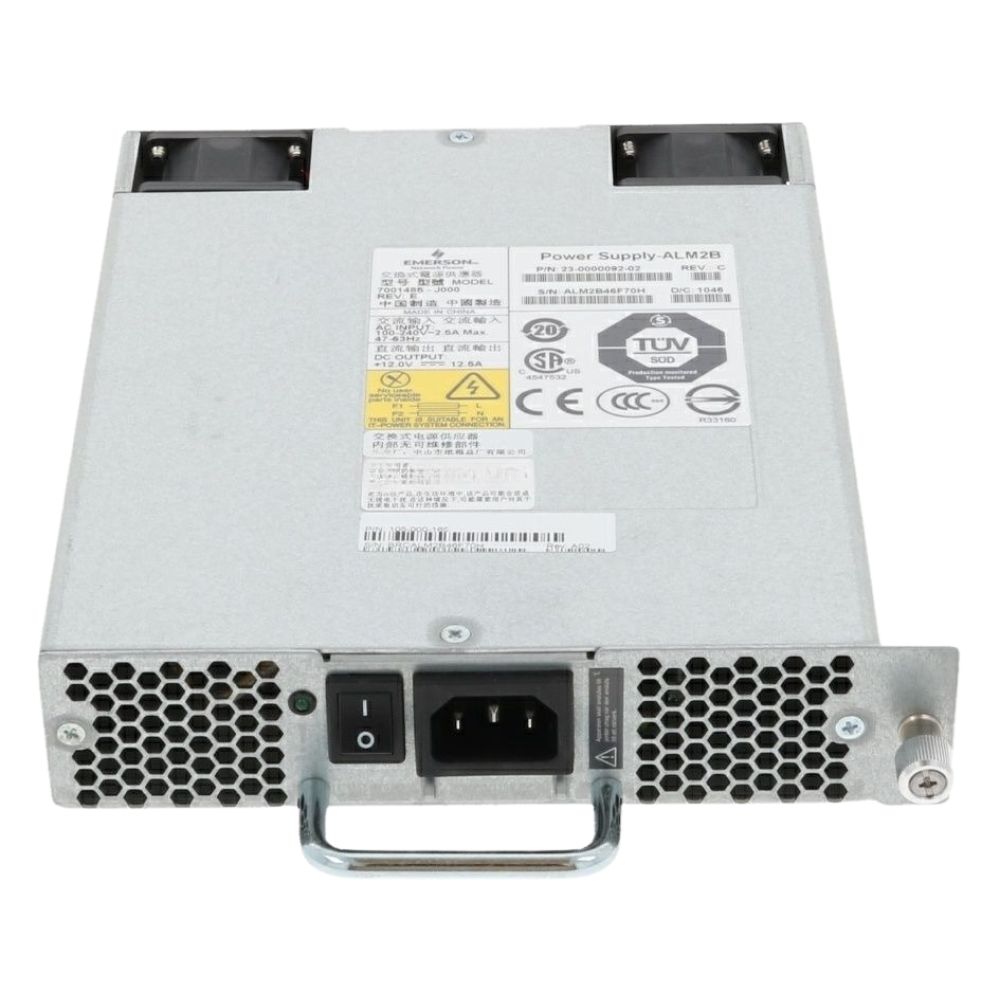
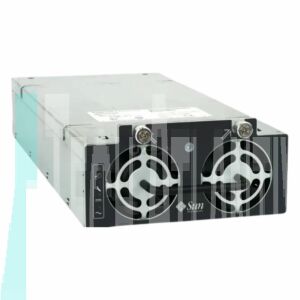
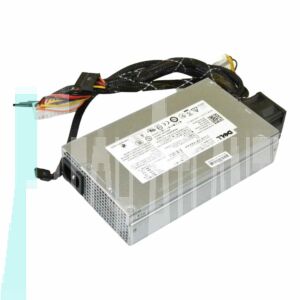
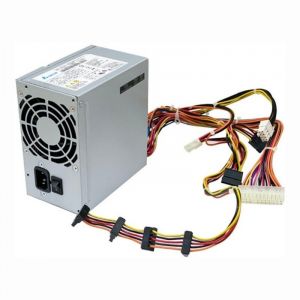
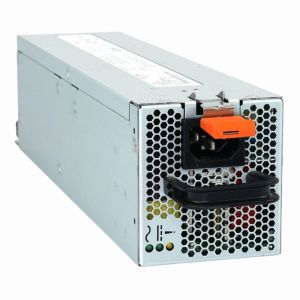
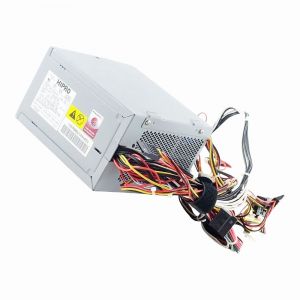
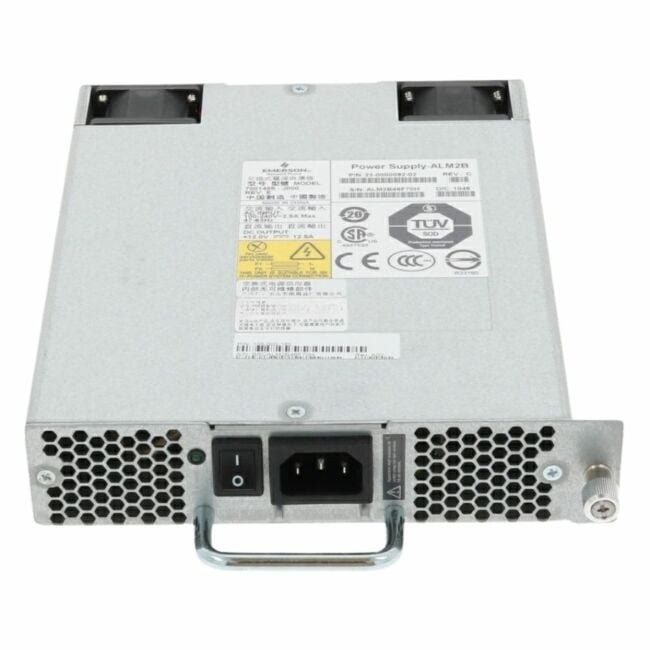
The IBM Redundant Power Supply 2498-5998 delivers backup power for IBM server systems that require uninterrupted power. It fits specified IBM server models and supports failover to maintain system operation during power disruptions. The power supply allows hot-swapping for easy replacement without downtime. |
General Information |
|
|---|---|
| Brand | IBM |
| Condition | Refurbished |
Technical Information |
|
|---|---|
| Hot Swappable | Yes |
| Redundant Support | Yes |
| Cooling Type | Active Fan |
| Modularity | Non-Modular |
Compatibility |
|
|---|---|
| Form Factor | Proprietary |
Physical Characteristics |
|
|---|---|
| Weight | 3.00 |
Certifications and Environmental |
|
|---|---|
| Assembly Required | No |
Product Description |
|---|
The IBM Redundant Power Supply 2498-5998 is engineered to provide backup power functionality in compatible IBM server systems. It is typically used in data centers and enterprise environments where maintaining power continuity is essential to avoid system downtime. This power supply unit supports failover by activating automatically if the primary power source fails, ensuring the server remains operational without interruption. Key Features
By integrating the IBM 2498-5998 redundant power supply, organizations can enhance their infrastructure's resilience against power failures. This component plays a critical role in maintaining operational stability in enterprise IT environments where uptime is a priority. |
Use Cases |
|---|
The IBM Redundant Power Supply 2498-5998 is commonly deployed in enterprise data centers and server rooms where continuous operation of IBM servers is critical. It is suited for environments with high availability requirements and workloads sensitive to power interruptions. How It's Used:
This power supply contributes to the overall reliability of IBM server deployments by offering an additional layer of power redundancy. It ensures business continuity and reduces risks of hardware interruptions caused by power issues. |
FAQ's |
|---|
|
 Shipping Options
 International Delivery
Requires a UPS, FedEx, or DHL account. Customers may arrange pickup from our US warehouse.
 Payment Methods
We accept Visa, Mastercard, AMEX, Discover, and Wire Transfer.
 Purchase Orders
We process purchase orders for government agencies, enterprises, data centers, and SMBs.