

Subscribe To Our Newsletter!
Subscribe to the newsletter to stay up to date with the latest news and most useful
Newsletter
↑
Back to Top



Product Overview |
|---|
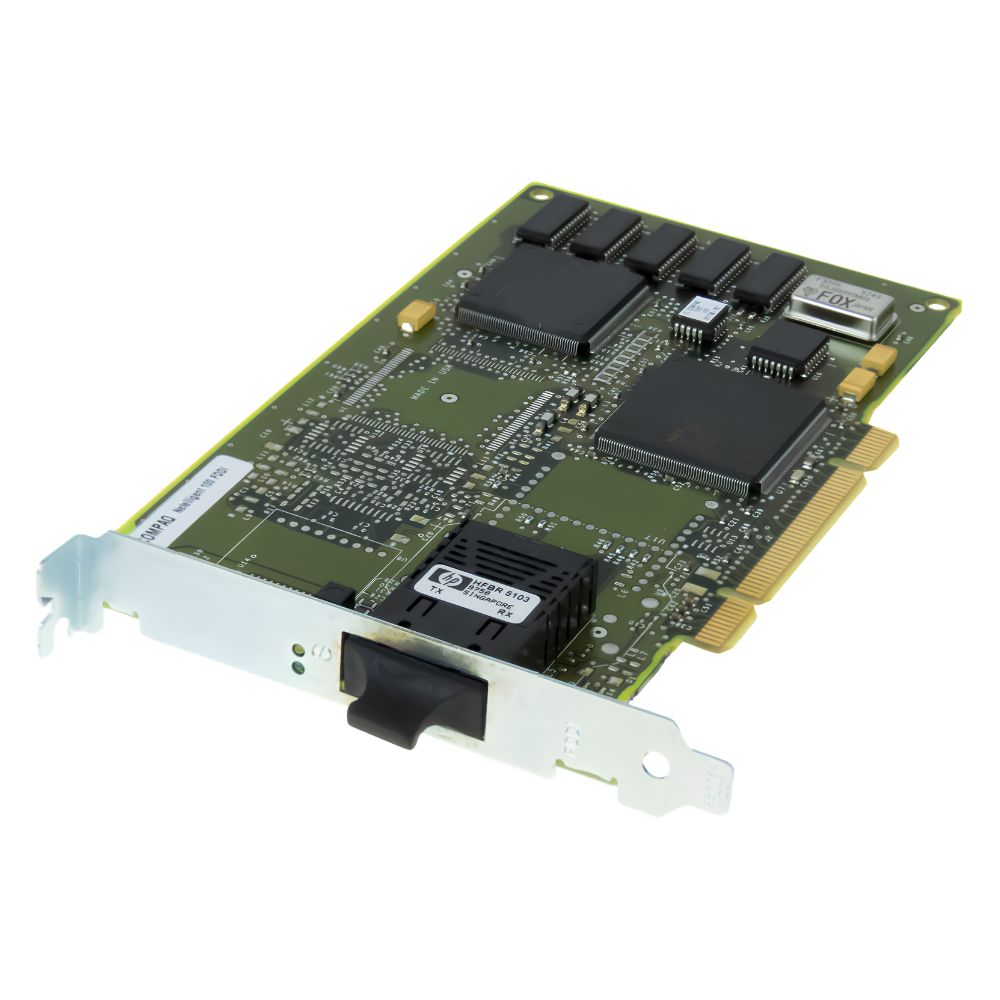
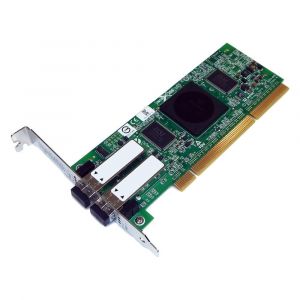
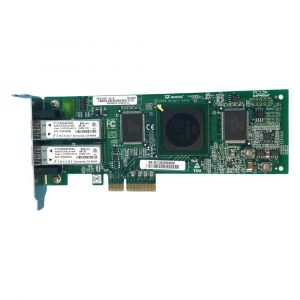
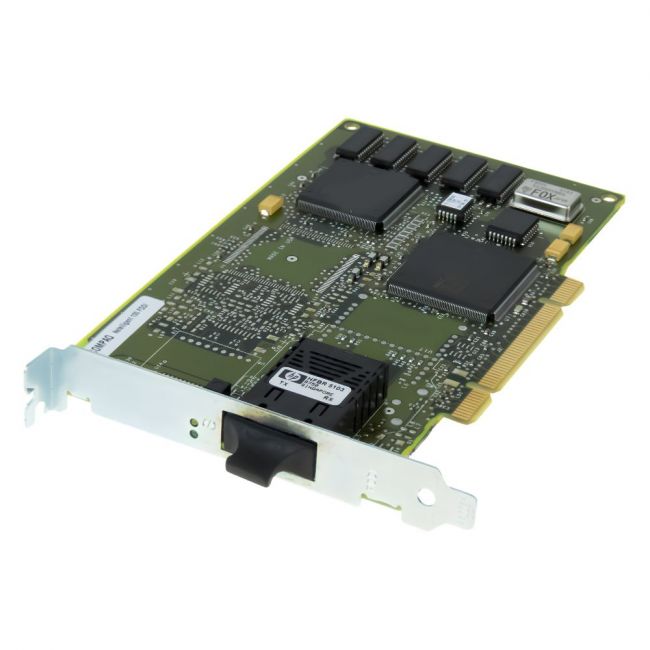
The 242506-002 Compaq 100 FDDI SAS Fibre PCI SC Controller Card provides protocol-specific connectivity supporting FDDI at 100 Mbps, SAS, and Fibre Channel. It fits into a PCI slot, enabling integration with server or workstation hardware that requires these interfaces. |
General Information |
|
|---|---|
| Brand | Compaq |
Physical Characteristics |
|
|---|---|
| Weight | 3.00 |
| Condition | Refurbished |
Miscellaneous |
|
|---|---|
| Assembly Required | No |
Product Description |
|---|
The Compaq 100 FDDI SAS Fibre PCI SC Controller Card is a specialized interface card designed to provide connectivity for systems requiring FDDI, SAS, and Fibre Channel protocols. It installs into a standard PCI slot, enabling communication between the host computer and external storage or network devices. This controller card is typically used in enterprise IT environments where reliable and specific protocol support for storage area networks or high-speed data transfer is necessary. IT professionals and system administrators deploy this card when integrating legacy or specialized networking hardware with servers or workstations. Key Features
This controller card serves as a bridge between PCI-based systems and specialized storage or network infrastructure. Its support for multiple protocols allows for versatile deployment in environments requiring FDDI, SAS, or Fibre Channel connectivity. It plays a role in managing data flow and ensuring protocol-specific communication within complex IT setups. |
Use Cases |
|---|
This controller card is typically deployed in enterprise IT environments where systems require connectivity to FDDI networks or SAS and Fibre Channel storage devices. It suits workloads that involve legacy or high-speed data transfer protocols and fits within PCI-compatible host computers. How It's Used:
Overall, the card facilitates necessary protocol translation and data handling in environments that operate with specific networking and storage technologies. It allows IT personnel to maintain and extend infrastructure compatibility without replacing entire systems. |
FAQ's |
|---|
|
 Shipping Options
 International Delivery
Requires a UPS, FedEx, or DHL account. Customers may arrange pickup from our US warehouse.
 Payment Methods
We accept Visa, Mastercard, AMEX, Discover, and Wire Transfer.
 Purchase Orders
We process purchase orders for government agencies, enterprises, data centers, and SMBs.