

Subscribe To Our Newsletter!
Subscribe to the newsletter to stay up to date with the latest news and most useful
Newsletter
↑
Back to Top



Product Overview |
|---|
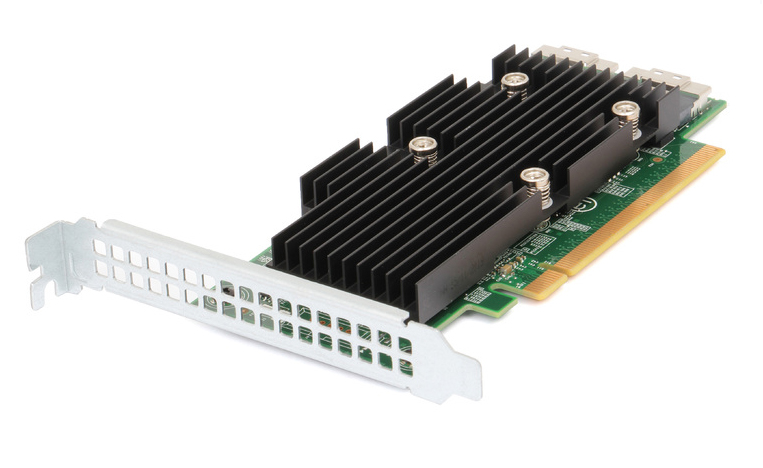
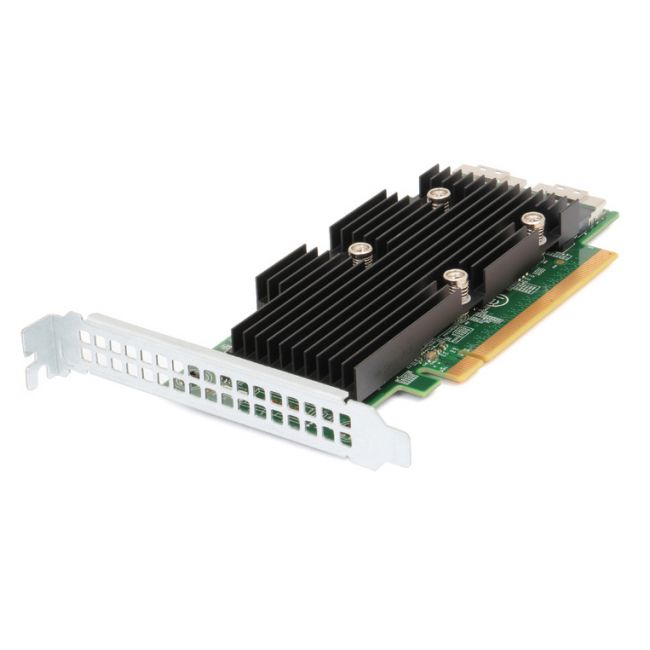
The 235NK Dell PowerEdge PCIe Expansion Card adds extra PCIe slots to compatible PowerEdge servers, allowing for greater expandability and adaptability. It fits into server environments that require additional interfaces for networking, storage, or other hardware solutions without extensive modifications. |
General Information |
|
|---|---|
| Brand | Dell |
| Part Number | 235NK |
Physical Characteristics |
|
|---|---|
| Weight | 5.00 |
| Condition | Refurbished |
Product Description |
|---|
The 235NK PCIe Expansion Card is designed to increase the number of PCIe slots available in compatible Dell PowerEdge servers. It allows users to connect additional expansion cards such as network adapters or storage controllers, improving the server’s capability and flexibility. Often found in data centers or enterprise environments, this expansion card is built for IT professionals and system administrators looking to customize or upgrade their server infrastructure. It is commonly used in setups requiring enhanced I/O performance or additional hardware interfaces. Key Features
This expansion card is typically deployed within rack-mounted or tower servers to support growing hardware needs without replacing the entire system. It plays a practical role in extending server life by providing scalable options for connectivity and performance. |
Use Cases |
|---|
The 235NK Dell PowerEdge PCIe Expansion Card is primarily utilized in enterprise server environments where expanding PCIe slot availability is critical. IT administrators and data center operators benefit from its ability to integrate additional hardware components without redesigning server architectures, making it ideal for dynamic and evolving infrastructure needs. How It's Used:
By enabling flexible hardware expansion, this PCIe card supports operational efficiency and scalability in complex IT environments. It allows organizations to adapt quickly to changing workload demands while maintaining performance standards across their server infrastructure. |
 Shipping Options
 International Delivery
Requires a UPS, FedEx, or DHL account. Customers may arrange pickup from our US warehouse.
International Delivery
Requires a UPS, FedEx, or DHL account. Customers may arrange pickup from our US warehouse.
 Payment Methods
We accept Visa, Mastercard, AMEX, Discover, and Wire Transfer.
Payment Methods
We accept Visa, Mastercard, AMEX, Discover, and Wire Transfer.
 Purchase Orders
We process purchase orders for government agencies, enterprises, data centers, and SMBs.
Purchase Orders
We process purchase orders for government agencies, enterprises, data centers, and SMBs.