

Subscribe To Our Newsletter!
Subscribe to the newsletter to stay up to date with the latest news and most useful
Newsletter
↑
Back to Top



Product Overview |
|---|
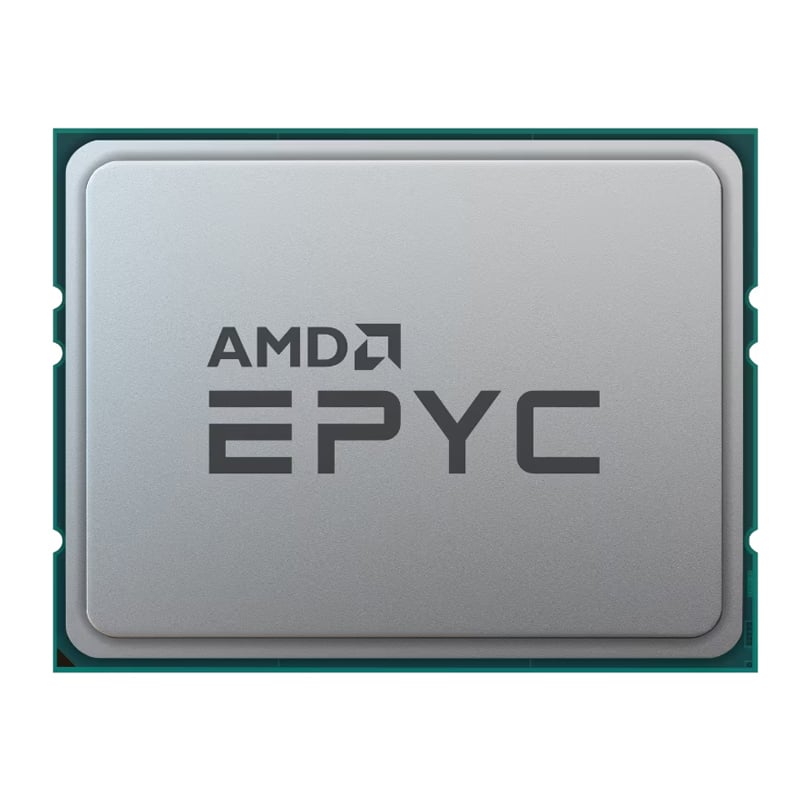
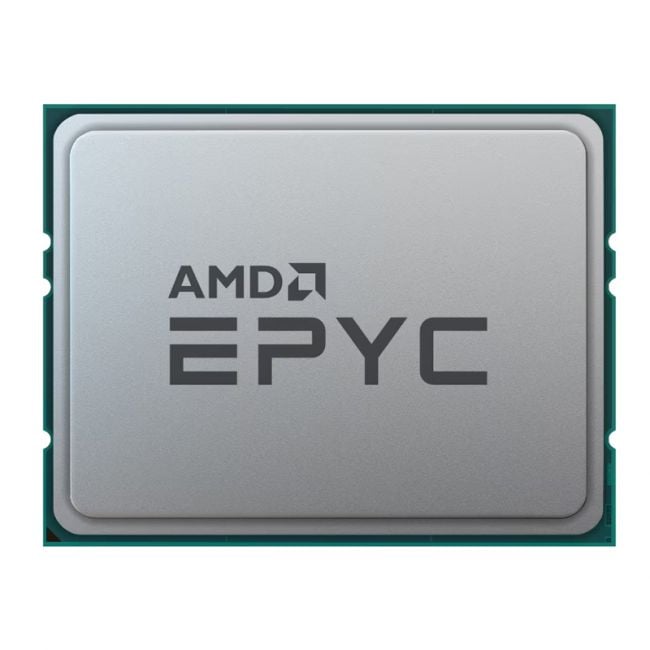
The Dell 228PJ EPYC 73F3 3.5GHz 16-Core Processor offers robust processing capabilities tailored for server environments. It fits within Dell's 228PJ systems to handle multitasking and intensive workloads reliably, making it a practical choice for data centers and enterprise applications. |
General Information |
|
|---|---|
| Brand | AMD |
| Part Number | 228PJ |
Technical Information |
|
|---|---|
| Processor Family | EPYC Milan |
| # Of Cores | 16 Core |
| Total Threads | 32 |
| Base Clock Speed | 3.5 GHz |
| PCIe Version | PCIe 4.0 |
| Lithography | 7 nm |
| Socket Type | SP3 |
Physical Characteristics |
|
|---|---|
| Weight | 5.00 |
| Condition | Refurbished |
Product Description |
|---|
The AMD EPYC 73F3 processor delivers powerful performance optimized for modern server environments. Built for multi-threaded tasks, it efficiently handles heavy workloads, from virtualization to data analytics. Often found in data centers and enterprise servers, this processor suits IT professionals needing reliable and scalable performance. It is commonly used in Dell 228PJ systems, providing a solid foundation for various applications. Key Features
This processor is typically deployed in enterprise-grade servers where demanding workloads require consistent processing power. It plays a vital role in delivering stable and scalable performance across cloud computing, databases, and virtualization platforms. |
Use Cases |
|---|
The AMD EPYC 73F3 16-Core Processor integrated into Dell's 228PJ server platforms is engineered for high-demand computing environments requiring efficient multitasking and parallel processing. IT professionals managing enterprise server farms or data centers will find this processor advantageous for workloads that necessitate sustained heavy computation and reliability. How It's Used:
By deploying the AMD EPYC 73F3 within Dell's 228PJ servers, organizations can optimize workload distribution across cores, enhancing operational throughput and scalability. This processor's design supports sustained performance under complex workloads, aligning well with the demands of modern data center and enterprise IT infrastructures. |
 Shipping Options
 International Delivery
Requires a UPS, FedEx, or DHL account. Customers may arrange pickup from our US warehouse.
 Payment Methods
We accept Visa, Mastercard, AMEX, Discover, and Wire Transfer.
 Purchase Orders
We process purchase orders for government agencies, enterprises, data centers, and SMBs.