

Subscribe To Our Newsletter!
Subscribe to the newsletter to stay up to date with the latest news and most useful
Newsletter
↑
Back to Top



Product Overview |
|---|
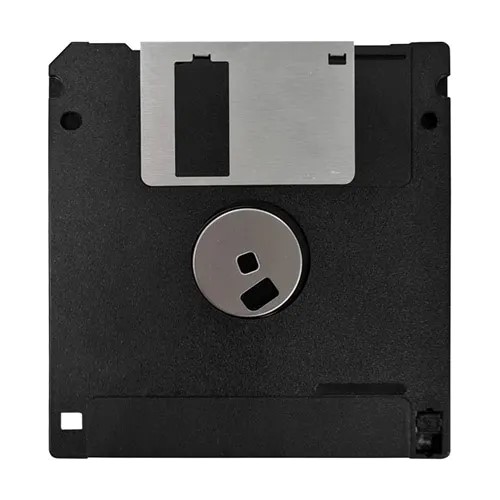
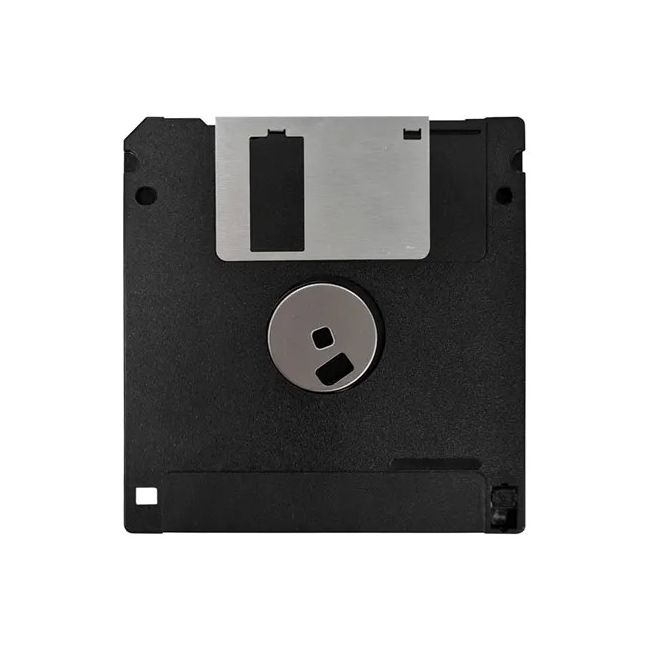
The HP Floppy Drive Notebook Size serves as a compact external drive enabling access to 3.5-inch floppy disks directly from notebook computers. It fills the gap for users who need to maintain compatibility with legacy media, offering a simple and reliable way to read and write data without needing bulky hardware. |
General Information |
|
|---|---|
| Brand | HP |
| Part Number | 226948-912 |
Technical Information |
|
|---|---|
| Disc Diameter | 3.5 inch |
| Interface | 34-pin floppy drive (FDD) ribbon connector, Notebook slimline proprietary connector |
| Data Transfer Rate | ~500 kbps (standard 1.44MB floppy) |
Physical Characteristics |
|
|---|---|
| Dimensions | 9.5 x 90 x 94 mm |
| Weight | 5.00 |
| Condition | Refurbished |
Miscellaneous |
|
|---|---|
| Eco Friendly | Yes |
| Assembly Required | Yes |
| Compliance Standards | WEEE, RoHS, cURus, CE, FCC, CCC, UL, TUV, cULus, CSA, cUL |
Product Description |
|---|
The HP Floppy Drive Notebook Size is designed to provide a convenient way to access and transfer data from 3.5-inch floppy disks. It is often found in environments where older media formats are still in use, such as legacy systems, data recovery, or archival access. Built for users who need to work with floppy disks on portable systems, this drive fits the compact form factor of notebooks without sacrificing functionality. It's commonly used by IT professionals, archivists, and anyone maintaining older hardware or software requiring floppy disk support. Key Features
This floppy drive is typically deployed in office settings, archival facilities, or IT departments where access to legacy storage is essential. It offers a straightforward solution for reading and writing floppy disks without the bulk of full-sized drives. Its role is to bridge older data storage methods with modern computing, making it a practical tool for those who still rely on floppy disks for critical data. |
Use Cases |
|---|
The HP 3.5-Inch Floppy Drive Notebook Size External Drive is primarily utilized in environments where legacy data retrieval and archival access are critical. This device is ideal for IT departments, data migration specialists, and organizations maintaining legacy systems that still rely on floppy disk storage. How It's Used:
By providing a compact and portable interface for floppy disk access, this external drive facilitates seamless integration into modern notebook setups, enhancing operational continuity and simplifying legacy data management without the need for bulky hardware. |
 Shipping Options
 International Delivery
Requires a UPS, FedEx, or DHL account. Customers may arrange pickup from our US warehouse.
International Delivery
Requires a UPS, FedEx, or DHL account. Customers may arrange pickup from our US warehouse.
 Payment Methods
We accept Visa, Mastercard, AMEX, Discover, and Wire Transfer.
Payment Methods
We accept Visa, Mastercard, AMEX, Discover, and Wire Transfer.
 Purchase Orders
We process purchase orders for government agencies, enterprises, data centers, and SMBs.
Purchase Orders
We process purchase orders for government agencies, enterprises, data centers, and SMBs.