

Subscribe To Our Newsletter!
Subscribe to the newsletter to stay up to date with the latest news and most useful
Newsletter
↑
Back to Top



Product Overview |
|---|
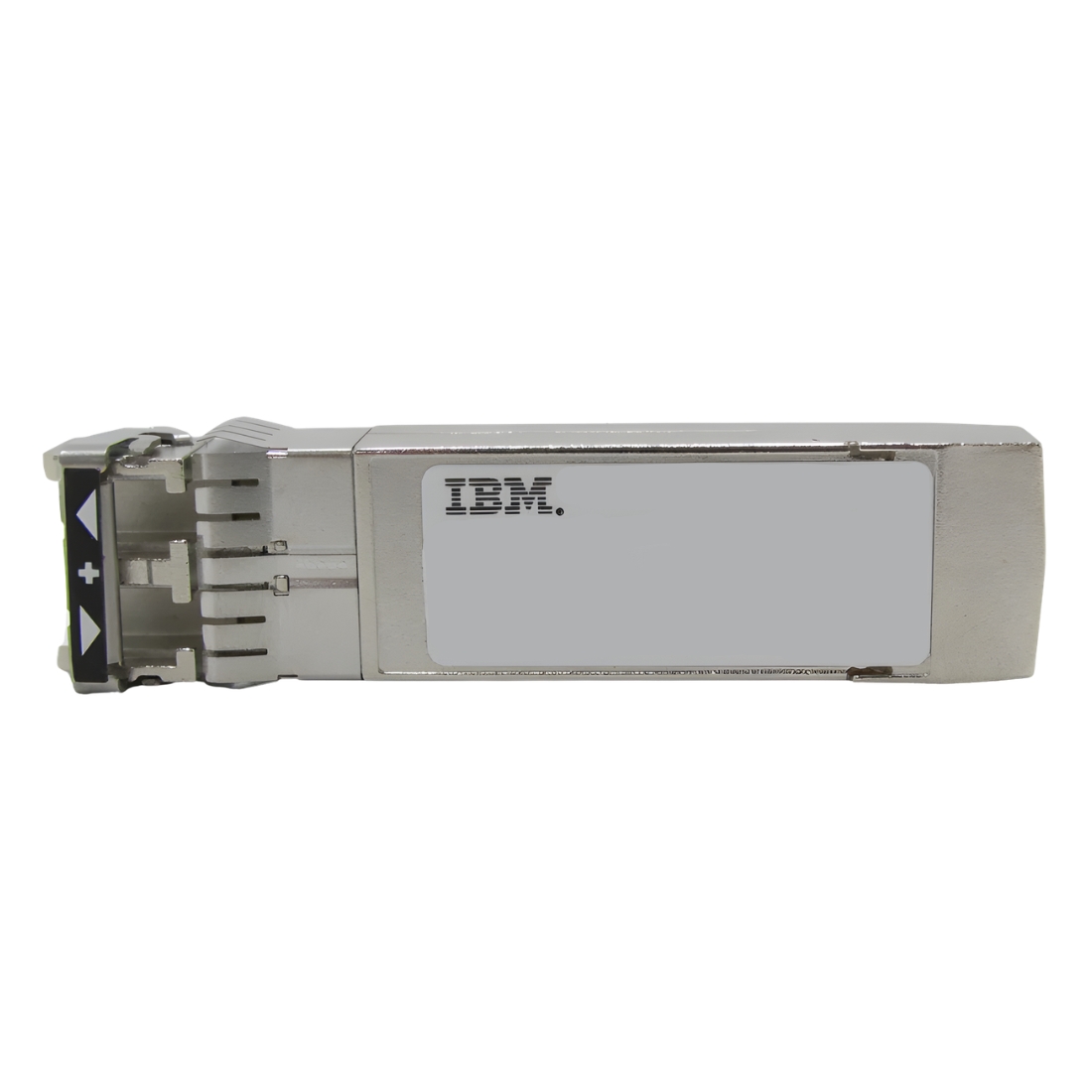
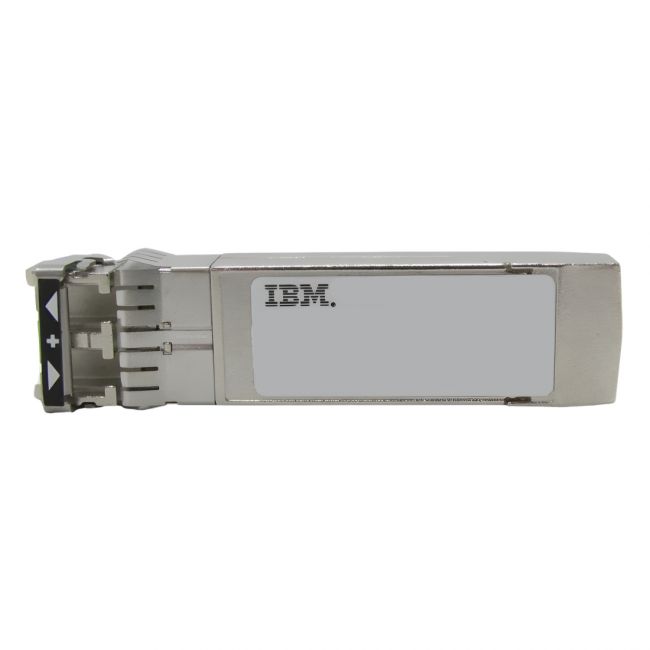
The 21H9846 - IBM Short Wave Fibre Channel Optical GBIC Transceiver Module offers a straightforward solution for short-distance Fibre Channel connectivity. It fits standard GBIC slots and delivers consistent 2 Gbps data transmission suited to typical IBM SAN environments. |
General Information |
|
|---|---|
| Brand | IBM |
Technical Information |
|
|---|---|
| Media | MMF |
| Type | VCSEL |
| Protocols | Fibre Channel |
| DOM Support | No |
Physical Characteristics |
|
|---|---|
| Weight | 3.00 |
| Condition | Refurbished |
Product Description |
|---|
The 21H9846 is a Fibre Channel optical transceiver designed to deliver reliable data connectivity over short distances. Built for use in IBM storage systems and networking environments, it enables fast and stable communication between devices. Commonly found in SAN environments, this GBIC module suits IT professionals managing Fibre Channel networks where stable, high-speed optical links are necessary. It integrates seamlessly with compatible IBM hardware. Key Features
This transceiver module plays a crucial role in maintaining dependable network operations by providing consistent signal quality. Its design supports routine network upgrades or expansions without disrupting existing configurations. Through dependable performance and ease of use, it supports ongoing data center reliability and helps maintain overall system efficiency. |
Use Cases |
|---|
This transceiver module is often utilized in SAN infrastructures where short distance optical links are required, especially within IBM storage and networking setups. IT teams benefit from its compatibility and reliable signal transmission in controlled data center conditions. How It's Used:
By providing stable optical links and straightforward deployment, this transceiver supports efficient data flow and scalability in storage area networks. Its role contributes to maintaining operational continuity and network performance. |
 Shipping Options
 International Delivery
Requires a UPS, FedEx, or DHL account. Customers may arrange pickup from our US warehouse.
International Delivery
Requires a UPS, FedEx, or DHL account. Customers may arrange pickup from our US warehouse.
 Payment Methods
We accept Visa, Mastercard, AMEX, Discover, and Wire Transfer.
Payment Methods
We accept Visa, Mastercard, AMEX, Discover, and Wire Transfer.
 Purchase Orders
We process purchase orders for government agencies, enterprises, data centers, and SMBs.
Purchase Orders
We process purchase orders for government agencies, enterprises, data centers, and SMBs.