

Subscribe To Our Newsletter!
Subscribe to the newsletter to stay up to date with the latest news and most useful
Newsletter
↑
Back to Top



Product Overview |
|---|
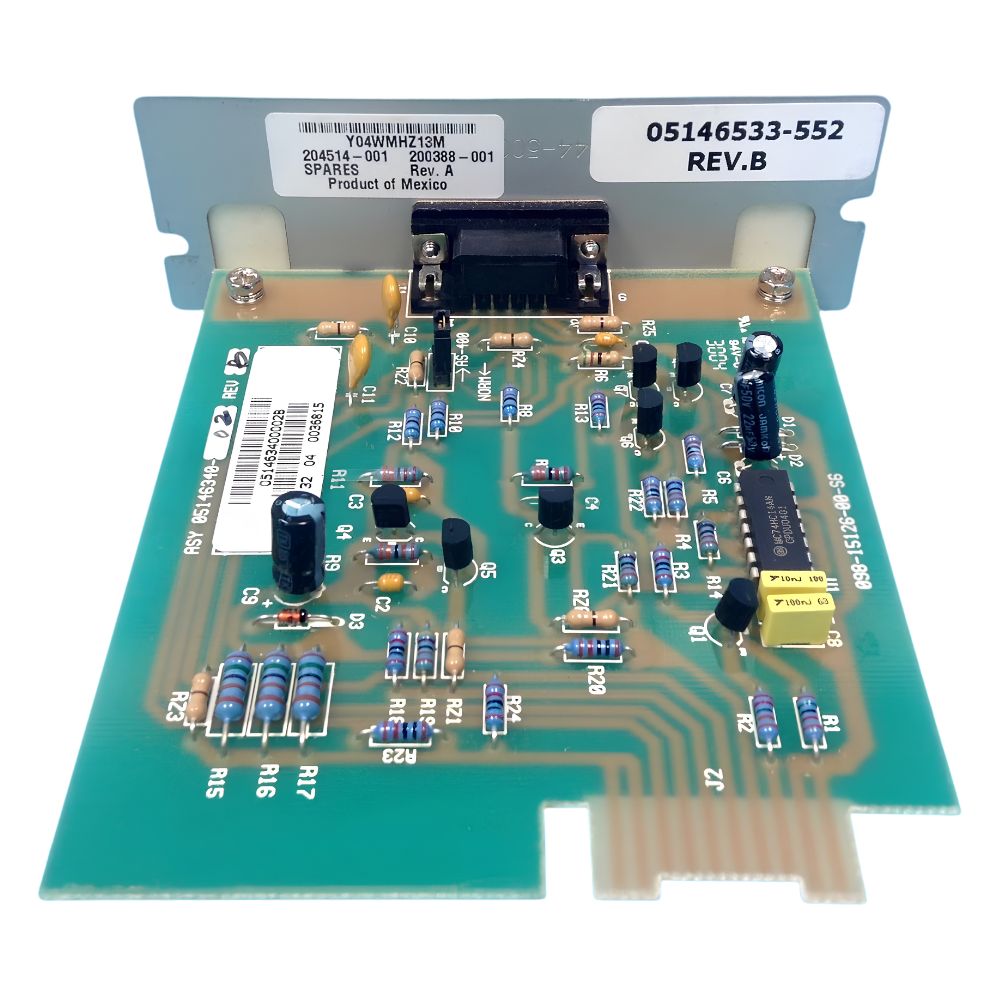
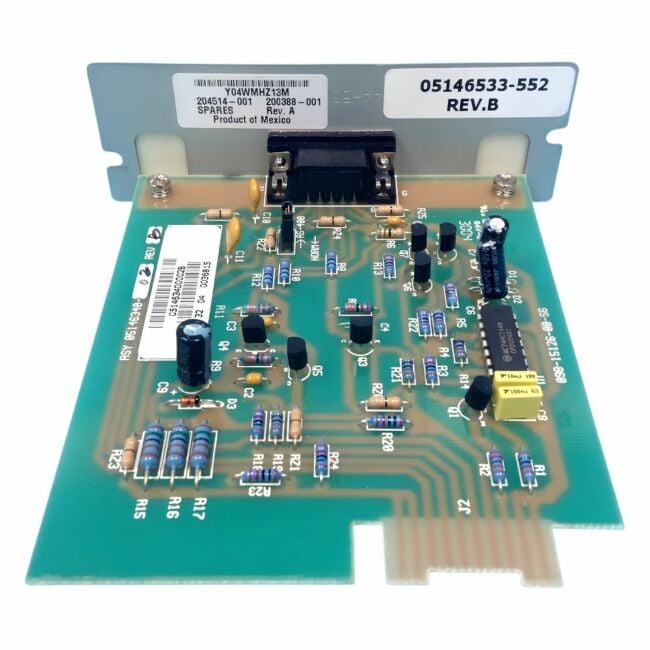
The 200388-001 HP UPS 1 x Port DB-9 Serial Card provides a serial communication interface using a DB-9 port for compatible HP UPS units. It fits within UPS systems requiring serial connectivity, supporting monitoring and control functions essential for power management in IT environments. |
General Information |
|
|---|---|
| Brand | HP |
Technical Information |
|
|---|---|
| Input Connectors | DB-9 (RS-232) |
Physical Characteristics |
|
|---|---|
| LCD Display | No |
| Condition | Refurbished |
| Weight | 3.00 |
Miscellaneous |
|
|---|---|
| Assembly Required | No |
Product Description |
|---|
The 200388-001 HP UPS 1 x Port DB-9 Serial Card is designed to provide a serial communication interface for compatible HP Uninterruptible Power Supply (UPS) devices. It enables connection through a DB-9 serial port, allowing external systems to monitor and manage UPS status and operation. This card is typically used by IT administrators and facilities managers who require direct communication with UPS hardware for monitoring power events and managing UPS functions in data centers or enterprise environments. Key Features
The 200388-001 card plays a crucial role in enabling serial management capabilities for HP UPS devices, offering a straightforward connection method for UPS monitoring software or hardware. It assists in maintaining uninterrupted power management by facilitating communication between UPS hardware and control systems. |
Use Cases |
|---|
This serial communication card is typically deployed in data centers and enterprise IT environments where HP UPS systems require management through a serial interface. It supports setups where direct serial communication is preferred or necessary for UPS monitoring and control. How It's Used:
In operational contexts, this card enables stable and clear communication lines between the UPS and monitoring or management systems. It serves as an interface component critical to maintaining power infrastructure visibility and control. |
FAQ's |
|---|
|
 Shipping Options
 International Delivery
Requires a UPS, FedEx, or DHL account. Customers may arrange pickup from our US warehouse.
 Payment Methods
We accept Visa, Mastercard, AMEX, Discover, and Wire Transfer.
 Purchase Orders
We process purchase orders for government agencies, enterprises, data centers, and SMBs.