

Subscribe To Our Newsletter!
Subscribe to the newsletter to stay up to date with the latest news and most useful
Newsletter
↑
Back to Top



Product Overview |
|---|
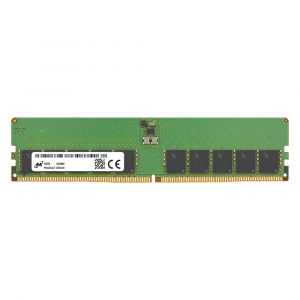
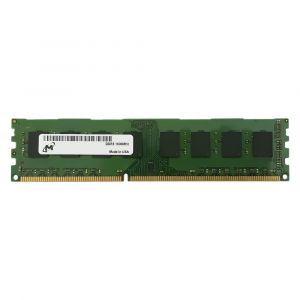
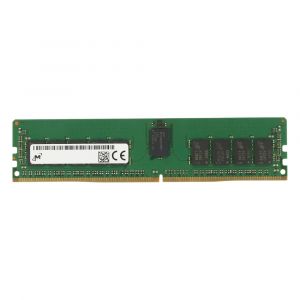
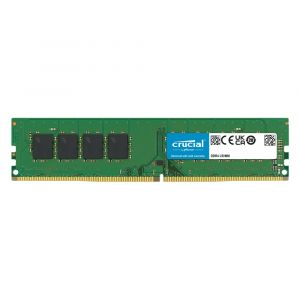
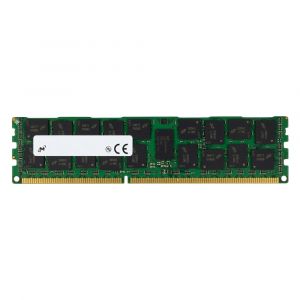
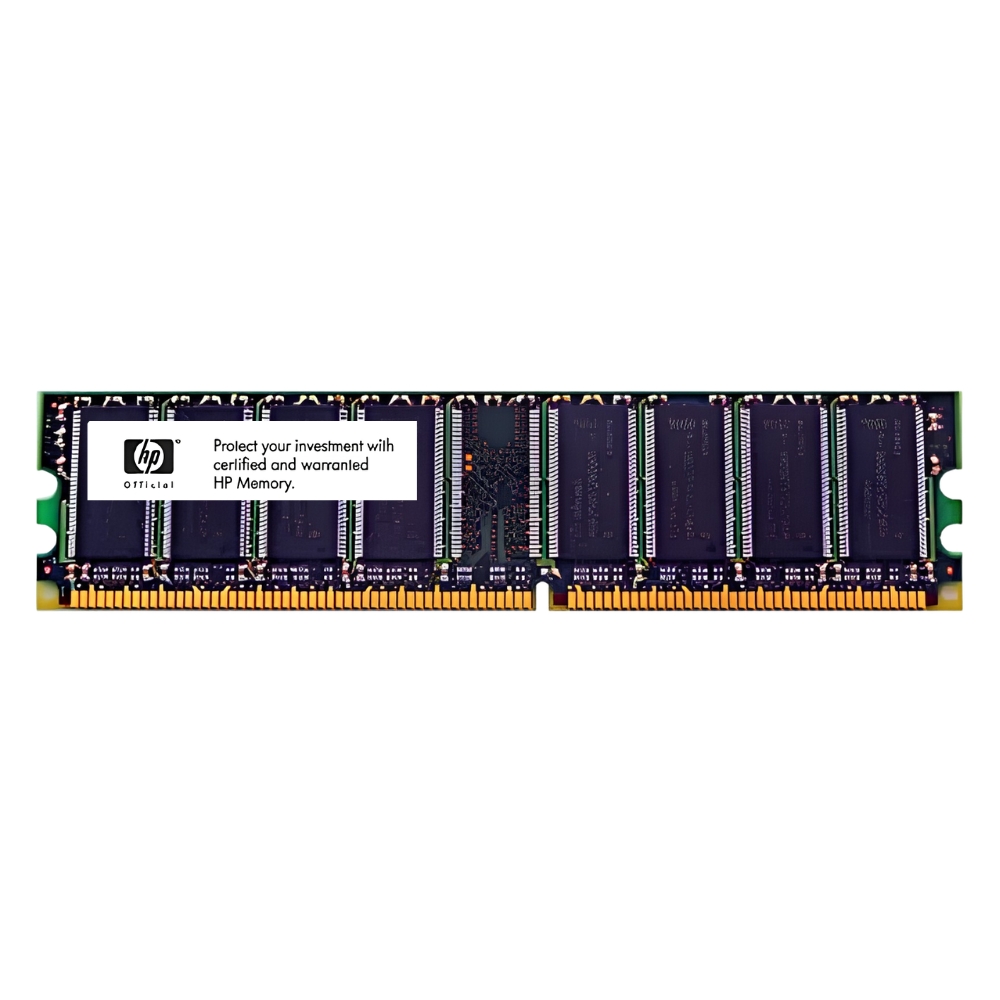
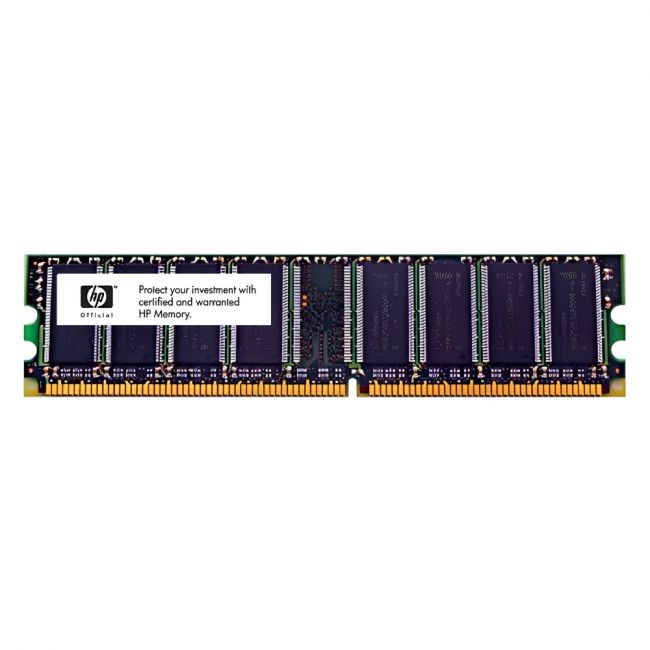
The 187421-B21 HP 4GB Kit (2x2GB) RDIMM 184-Pin Memory is a server memory solution designed to provide 4GB of registered DDR memory through two matched 2GB modules. It fits into 184-pin memory slots typical in select HP servers, supporting configurations that demand registered DIMMs for stability and system compatibility. |
General Information |
|
|---|---|
| Brand | HP |
Technical Information |
|
|---|---|
| Memory Capacity | 4GB |
| Memory Technology | DDR |
| Module Type | RDIMM |
| Pin Count | 184-Pin |
| Error Correction | ECC |
| Voltage | 2.5V |
Physical Characteristics |
|
|---|---|
| Weight | 3.00 |
| Condition | Refurbished |
Miscellaneous |
|
|---|---|
| Assembly Required | No |
Product Description |
|---|
The 187421-B21 HP 4GB Kit includes two 2GB RDIMM modules designed for installation in servers supporting 184-pin memory modules. This kit is utilized primarily in HP server environments that require registered memory modules for enhanced stability and performance in multi-processor systems. Typically employed by IT professionals managing enterprise servers, this memory kit supports configurations where a total of 4GB RAM is needed, divided across two modules to optimize memory channel usage. Key Features
This memory kit serves as a component for expanding or upgrading server memory capacity in compatible HP systems. The registered nature of the DIMMs supports error checking and reduces electrical load on the memory controller, suitable for server workloads requiring consistent memory performance. |
Use Cases |
|---|
This HP 4GB memory kit is typically used in enterprise server environments where registered DIMM memory is required for system stability and performance. It suits IT administrators upgrading or maintaining memory capacity on compatible HP servers handling general compute or data workloads. How It's Used:
The kit plays a role in ensuring that server memory configurations meet the required capacity and stability demands for enterprise operations. It is part of maintaining or enhancing server infrastructure memory without altering core hardware compatibility. |
FAQ's |
|---|
|
 Shipping Options
 International Delivery
Requires a UPS, FedEx, or DHL account. Customers may arrange pickup from our US warehouse.
International Delivery
Requires a UPS, FedEx, or DHL account. Customers may arrange pickup from our US warehouse.
 Payment Methods
We accept Visa, Mastercard, AMEX, Discover, and Wire Transfer.
Payment Methods
We accept Visa, Mastercard, AMEX, Discover, and Wire Transfer.
 Purchase Orders
We process purchase orders for government agencies, enterprises, data centers, and SMBs.
Purchase Orders
We process purchase orders for government agencies, enterprises, data centers, and SMBs.