

Subscribe To Our Newsletter!
Subscribe to the newsletter to stay up to date with the latest news and most useful
Newsletter
↑
Back to Top



Product Overview |
|---|
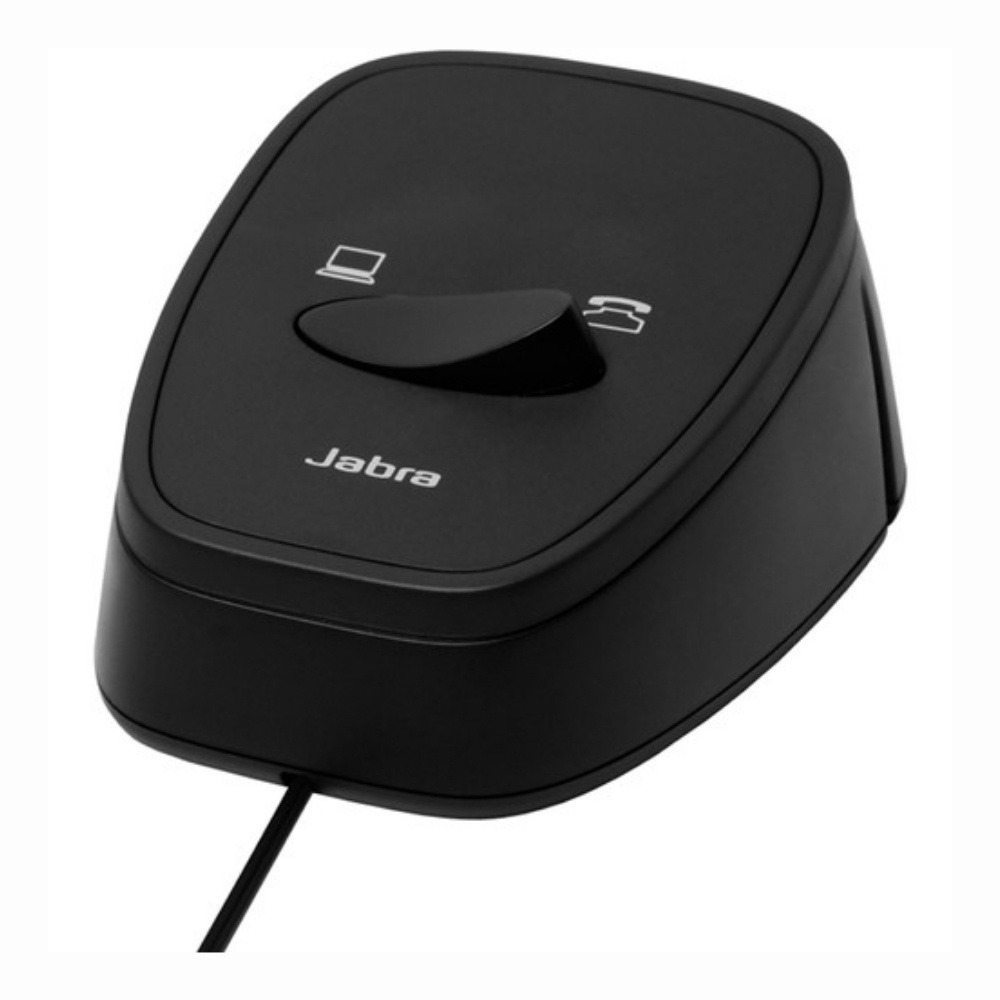
The Jabra Link 180 is a telephone switching adapter that helps integrate analog desk phones with headsets, making call management easier for users in office and call center settings. It fits neatly into existing setups without demanding extensive changes and supports efficient switching between handset and headset during calls. |
General Information |
|
|---|---|
| Part Number | 180-09 |
| Condition | Refurbished |
Technical Information |
|
|---|---|
| Connector Type | USB‑A, Quick‑Disconnect headset, proprietary phone cable |
Physical Characteristics |
|
|---|---|
| Dimensions | 1.18 × 3.94 × 5.91 in |
| Weight | 4.00 |
Product Description |
|---|
The Jabra Link 180 is designed to bridge traditional analog telephones with modern digital communication setups. Often found in office environments, it connects headsets to desk phones, allowing users to switch calls easily without needing to replace existing telephone equipment. Built for professionals who rely on clear and efficient communication, it suits call centers, offices, and customer service desks where quick call handling is essential. Key Features
This device is typically deployed in business settings where headsets are preferred but the existing telephone infrastructure remains analog. Its practical design helps maintain productivity while upgrading communication tools. |
Use Cases |
|---|
The Jabra Link 180 is typically deployed in office and call center environments where integration of legacy analog telephones with modern digital headset systems is essential. It benefits IT teams and communication managers who require seamless switching between handset and headset to maintain efficient call handling without infrastructure overhaul. How It's Used:
This adapter supports operational efficiency by allowing organizations to extend the lifespan of analog telephony infrastructure while adopting headset-based communication. Its compact design simplifies deployment and helps scale audio device connectivity without disrupting existing network and telephony configurations. |
 Shipping Options
 International Delivery
Requires a UPS, FedEx, or DHL account. Customers may arrange pickup from our US warehouse.
International Delivery
Requires a UPS, FedEx, or DHL account. Customers may arrange pickup from our US warehouse.
 Payment Methods
We accept Visa, Mastercard, AMEX, Discover, and Wire Transfer.
Payment Methods
We accept Visa, Mastercard, AMEX, Discover, and Wire Transfer.
 Purchase Orders
We process purchase orders for government agencies, enterprises, data centers, and SMBs.
Purchase Orders
We process purchase orders for government agencies, enterprises, data centers, and SMBs.