

Subscribe To Our Newsletter!
Subscribe to the newsletter to stay up to date with the latest news and most useful
Newsletter
↑
Back to Top



Product Overview |
|---|
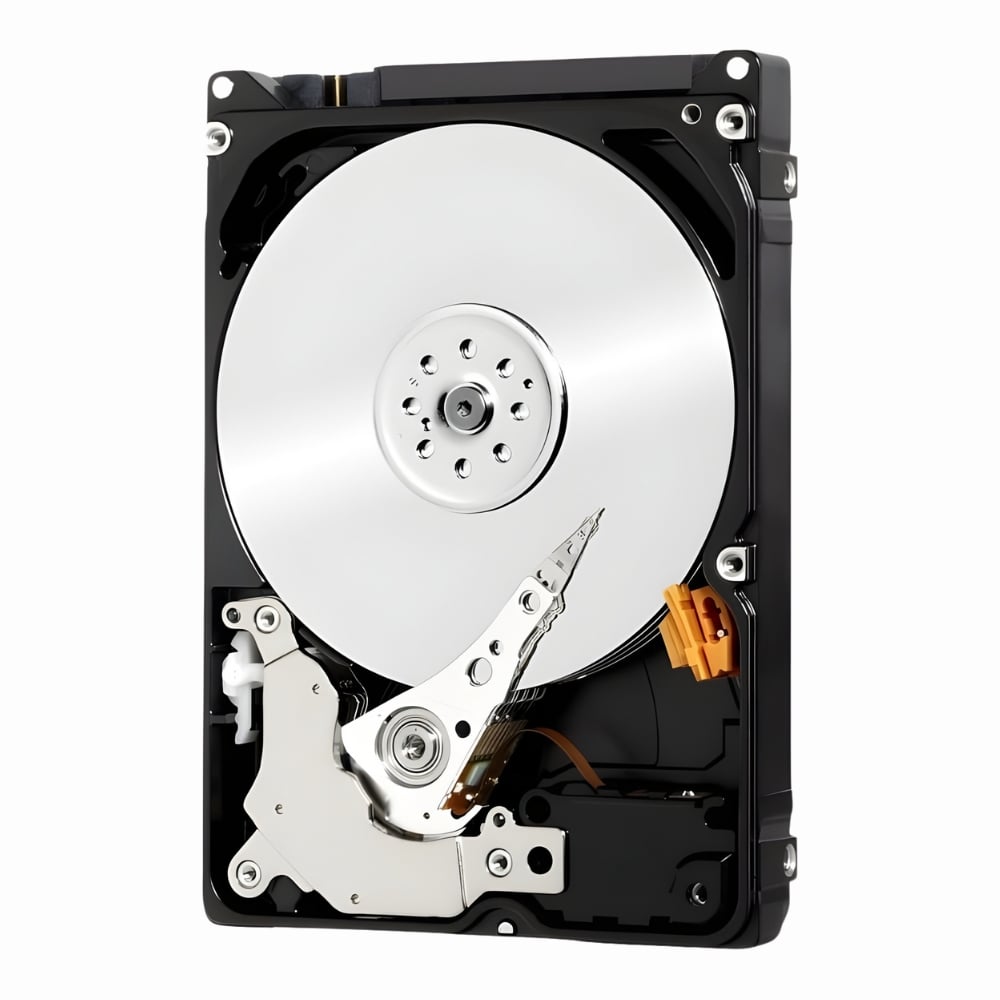
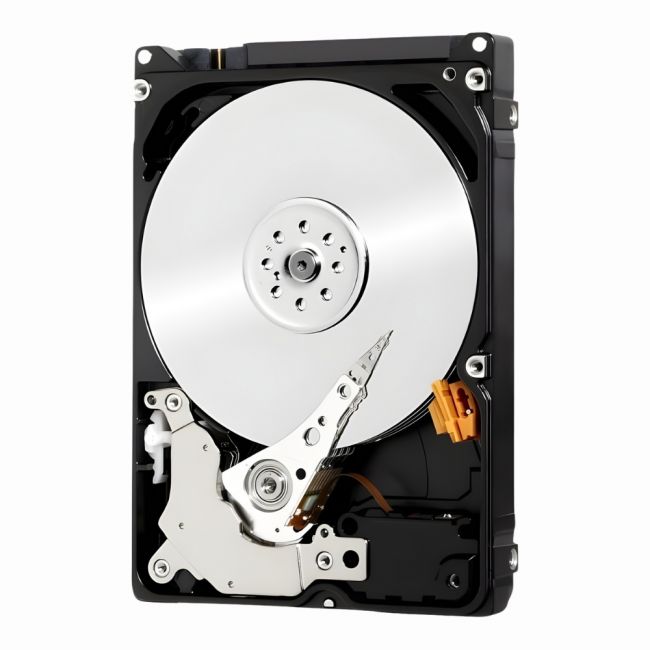
The HP 9.1GB 10K U2W SCSI hard drive offers stable, moderate-capacity storage tailored for older systems that rely on the Ultra2 Wide SCSI interface. It fits into standard 3.5-inch bays and provides a balance of speed and reliability, making it a practical component in server and workstation setups that have not transitioned to newer storage standards. |
General Information |
|
|---|---|
| Brand | HP |
| Part Number | 127978-001 |
Technical Information |
|
|---|---|
| Capacity | 9.1GB |
| Form Factor | 3.5-inch |
| Disk Format | 127978-001 HP 9.1GB 10K U2W SCSI (LVD) 68-Pin 3.5-inch Hard Drive |
| Spindle Speed | 10,000 RPM |
| Hybrid Drive | No |
Interfaces/Ports |
|
|---|---|
| Interface | SCSI |
Physical Characteristics |
|
|---|---|
| Condition | Refurbished |
| Weight | 1.76 |
Product Description |
|---|
This HP 9.1GB 10K U2W SCSI hard drive is built for servers and workstations needing dependable storage performance. It’s often found in legacy systems where high-speed access to moderate data volumes is essential. Data centers and IT professionals working with older hardware benefit from its stable design and consistent throughput. Key Features
This hard drive is commonly deployed in environments where legacy hardware remains in use, such as archival servers or specialized industrial machines. Its consistent speed and interface make it a reliable choice where newer technologies aren't compatible or necessary. |
Use Cases |
|---|
The HP 9.1GB 10K Ultra2 Wide SCSI hard drive is primarily utilized in legacy server and workstation environments where Ultra2 Wide SCSI interfaces remain standard. It is especially suitable for IT setups maintaining older hardware infrastructure requiring dependable storage solutions for moderate-capacity workloads. How It's Used:
This hard drive contributes to operational efficiency by providing stable storage performance compatible with existing infrastructure, reducing the need for costly hardware upgrades. It ensures continuity of service in environments where transitioning to newer storage protocols is not feasible or desired. |
 Shipping Options
 International Delivery
Requires a UPS, FedEx, or DHL account. Customers may arrange pickup from our US warehouse.
 Payment Methods
We accept Visa, Mastercard, AMEX, Discover, and Wire Transfer.
 Purchase Orders
We process purchase orders for government agencies, enterprises, data centers, and SMBs.