

Subscribe To Our Newsletter!
Subscribe to the newsletter to stay up to date with the latest news and most useful
Newsletter
↑
Back to Top



Product Overview |
|---|
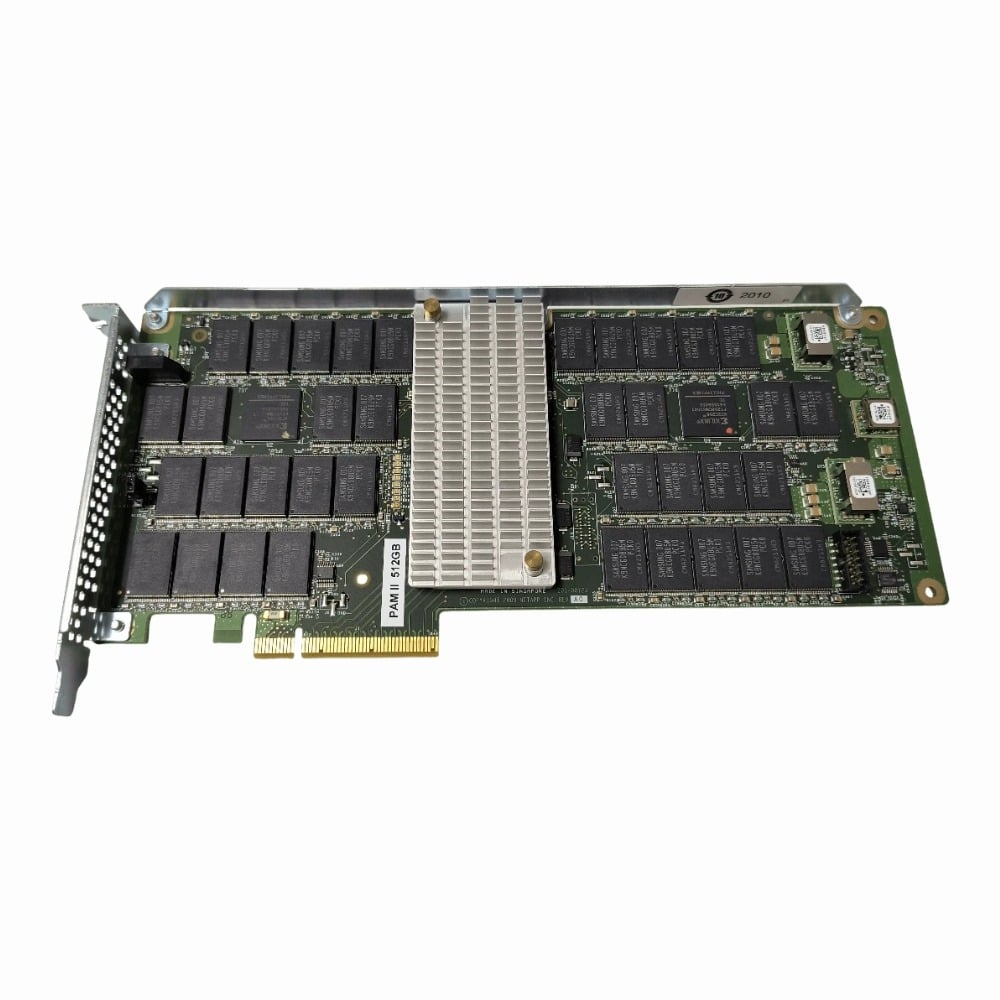
The NetApp 256GB PCIe Flash Cache Card enhances storage arrays by caching frequently used data, improving performance without extensive hardware changes. It's typically used within NetApp storage systems to reduce latency and speed up data access in enterprise environments. |
General Information |
|
|---|---|
| Brand | NetApp |
| Part Number | 111-00707+A3 |
Physical Characteristics |
|
|---|---|
| Weight | 4.00 |
| Condition | Refurbished |
Product Description |
|---|
This 256GB PCIe flash cache card from NetApp is built to improve the efficiency of storage arrays by storing frequently accessed data closer to the processor. Often found in data centers and enterprise storage environments, it helps reduce latency and boosts overall system responsiveness. Commonly used in NetApp storage systems, it benefits IT administrators and enterprises that require faster access to critical data without upgrading entire storage infrastructures. This card is an effective solution for environments running heavy databases, virtual machines, or analytics workloads. Key Features
In practice, this flash cache card is commonly deployed in large-scale data centers and enterprise storage arrays where quick data retrieval is essential. It plays a key role in optimizing storage infrastructure by reducing the need for costly hardware upgrades. |
Use Cases |
|---|
The NetApp 256GB PCIe Flash Cache Card is primarily utilized in enterprise storage environments requiring high-speed data access and low latency. It benefits IT professionals managing virtualization clusters, large-scale databases, and mixed workload storage arrays by accelerating read/write operations without significant infrastructure changes. How It's Used:
By integrating seamlessly with NetApp storage systems, this flash cache card strengthens operational efficiency and scalability. It allows organizations to meet demanding application performance requirements while maximizing existing hardware investments. |
 Shipping Options
 International Delivery
Requires a UPS, FedEx, or DHL account. Customers may arrange pickup from our US warehouse.
International Delivery
Requires a UPS, FedEx, or DHL account. Customers may arrange pickup from our US warehouse.
 Payment Methods
We accept Visa, Mastercard, AMEX, Discover, and Wire Transfer.
Payment Methods
We accept Visa, Mastercard, AMEX, Discover, and Wire Transfer.
 Purchase Orders
We process purchase orders for government agencies, enterprises, data centers, and SMBs.
Purchase Orders
We process purchase orders for government agencies, enterprises, data centers, and SMBs.