

Subscribe To Our Newsletter!
Subscribe to the newsletter to stay up to date with the latest news and most useful
Newsletter
↑
Back to Top



Product Overview |
|---|
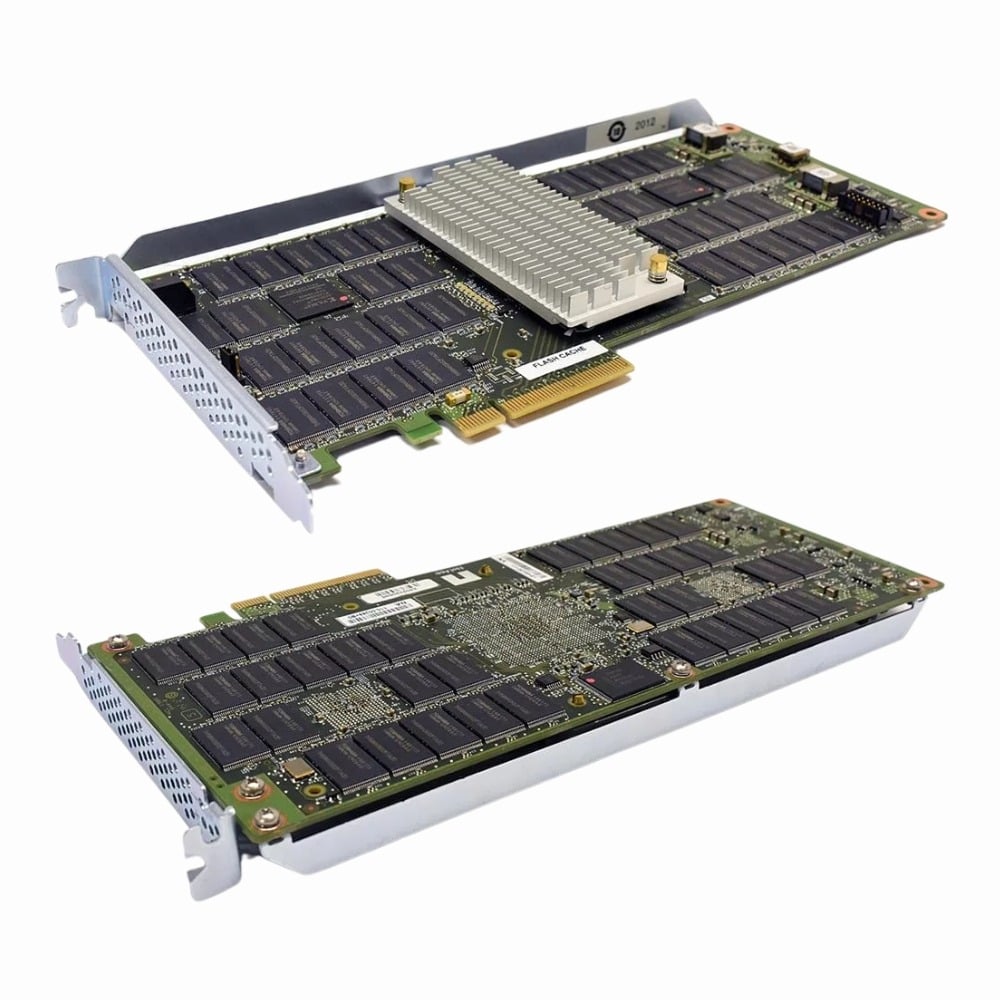
The NetApp 512GB PCI-E Flash Cache Module serves as a high-speed cache to accelerate data access within NetApp storage systems. It fits into enterprise storage setups where performance gains can translate into faster application response times and efficient data handling. |
General Information |
|
|---|---|
| Brand | NetApp |
| Part Number | 110-00138+C0 |
Physical Characteristics |
|
|---|---|
| Dimensions | 12 × 4.5 × 2 inches |
| Weight | 4.00 |
| Condition | Refurbished |
Product Description |
|---|
This 512GB PCI-E flash cache module is designed to boost the speed and responsiveness of NetApp storage systems. It works by providing a fast caching layer, which reduces access times to frequently used data. Often found in enterprise environments, this module helps accelerate workloads that require quick data retrieval. Built for IT professionals managing data centers, it is commonly used in scenarios where storage performance directly impacts application efficiency. From database operations to virtualization, this cache module helps optimize system throughput. Key Features
Typically deployed in server rooms and data centers, this flash cache module plays a crucial role in speeding up storage systems. It helps maintain smooth performance during heavy workloads by decreasing delays in data retrieval. |
Use Cases |
|---|
The NetApp 512GB PCI-E Flash Cache Module is primarily deployed in enterprise storage arrays where high-speed data access is critical. It is especially suited for environments with demanding workloads such as virtualization platforms and large-scale database systems, enabling faster response times and improved application performance. How It's Used:
By integrating this flash cache module, organizations can achieve better operational efficiency through reduced data access times, enabling scalable performance improvements in complex storage environments. This facilitates smoother application workflows and supports evolving infrastructure demands. |
 Shipping Options
 International Delivery
Requires a UPS, FedEx, or DHL account. Customers may arrange pickup from our US warehouse.
International Delivery
Requires a UPS, FedEx, or DHL account. Customers may arrange pickup from our US warehouse.
 Payment Methods
We accept Visa, Mastercard, AMEX, Discover, and Wire Transfer.
Payment Methods
We accept Visa, Mastercard, AMEX, Discover, and Wire Transfer.
 Purchase Orders
We process purchase orders for government agencies, enterprises, data centers, and SMBs.
Purchase Orders
We process purchase orders for government agencies, enterprises, data centers, and SMBs.